
The aroma of sautéed garlic and onions fills the kitchen, whisking me away to vibrant markets bustling with fresh produce. Pinakbet, the classic Filipino vegetable stew, is more than just a dish—it’s a celebration of flavors and colors that embodies the heart of home cooking. This delightful recipe showcases a medley of nutritious vegetables such as squash, eggplant, and okra, offering a comforting meal that’s both quick to prepare and packed with health benefits. Whether you savor it as a stand-alone dish or pair it with rice or grilled meats, Pinakbet’s versatility makes it a perfect addition to any weeknight dinner. Are you ready to discover how easy it is to whip up this beloved Filipino classic in your own kitchen?

Why is Pinakbet a Must-Try?
Comforting Flavors: This classic Filipino vegetable stew brings a rich blend of tastes that satisfies every palate, making it a great family favorite.
Vibrant Nutrition: With its colorful mix of vegetables like squash and okra, you’re serving up a dish full of essential vitamins and minerals.
Quick and Easy: Perfect for busy weeknights, this recipe can be prepared in about 30 minutes, allowing you to enjoy home-cooked meals without the fuss.
Customizable Goodness: Feel free to experiment by adding seafood or tofu, making it enjoyable for everyone, whether you’re cooking for meat lovers or vegetarians.
Cultural Experience: Every bite takes you on a journey to the heart of Filipino cuisine, making it a unique dish to impress your guests or spice up your own dinner routine.
Classic Filipino Vegetable Stew Ingredients
For the Stew
- Vegetable Oil or Coconut Oil – Use for sautéing; olive oil is a lighter alternative.
- Pork Belly (500g) – Adds savory depth; substitute with chicken or tofu for a lighter or vegetarian option.
- Onion or Shallots (1 medium) – Adds sweetness; shallots offer a milder flavor.
- Garlic (4 cloves, fresh) – Enhances flavor; always go for fresh for the best taste.
- Shrimp Paste or Fish Sauce (2 tablespoons) – Provides umami; opt for vegan fish sauce for a vegetarian version.
- Tomatoes (2 medium, fresh or canned) – Adds acidity and moisture; canned is a handy alternative when fresh isn’t available.
- Water or Broth (1 cup) – Use as the base for simmering; broth adds extra flavor.
- Squash (300g, summer squash preferred) – Main veggie offering sweetness; zucchini can work well too if needed.
- Okra (100g, optional) – Gives a unique texture; feel free to omit if you prefer.
- Yard-Long Beans (200g) – Adds crunch; you can use green beans as a substitute.
- Bitter Gourd (1 medium) – Introduces a distinct bitterness; optional for a milder flavor.
- Eggplant (1 medium, any variety) – Contributes creamy texture; Japanese eggplant is sweeter and smaller.
- Salt (1 teaspoon, to taste) – Essential for enhancing flavors; adjust according to dietary needs.
For Serving
- Steamed Jasmine Rice – The perfect companion to soak up all that delicious broth.
- Fresh Herbs (like basil or cilantro) – Brightens the dish and adds a hint of freshness.
Using this list, you’re all set to prepare a delightful classic Filipino vegetable stew that speaks comfort and culinary joy!
Step‑by‑Step Instructions for Classic Filipino Vegetable Stew
Step 1: Sauté the Meat
Begin by heating 2 tablespoons of vegetable or coconut oil in a large wok over medium-high heat. Once the oil is shimmering, add 500g of pork belly, allowing it to brown for about 5-7 minutes. Stir occasionally to ensure even cooking and visualize that golden brown crust forming as the fat renders. This step lays the foundation for rich flavors in your classic Filipino vegetable stew.
Step 2: Cook Aromatics
Reduce the heat to medium and toss in 1 medium chopped onion or shallot along with 4 minced garlic cloves. Sauté for 2-3 minutes, stirring frequently until the onions become translucent and the garlic is aromatic. The warm, inviting scent signals that it’s time to build upon the flavor backbone of your Pinakbet, making your kitchen smell delightful.
Step 3: Add Tomatoes
Incorporate 2 medium chopped tomatoes into the mixture, cooking for an additional 3-5 minutes. As they soften and break down, you’ll see the vibrant red color infuse the dish with moisture. This key ingredient adds a necessary acidity that balances the richness of the pork and will meld beautifully with the vegetables later on.
Step 4: Mix in Shrimp Paste
Next, stir in 2 tablespoons of shrimp paste or fish sauce, cooking for about 1 minute until the flavors meld together. This ingredient enriches the stew with that signature umami taste, and you’ll notice a deeper aroma filling the air. It’s crucial for the authentic flavor profile of your classic Filipino vegetable stew.
Step 5: Introduce Squash and Broth
Add 300g of chopped squash along with 1 cup of water or broth to the mix. Stir everything well and cover the pot. Let it simmer for about 2 minutes until the squash starts to soften. You’ll see the vibrant colors come alive, signaling that it’s almost time to add more of those beautiful vegetables.
Step 6: Mix in More Vegetables
After 2 minutes, mix in 200g of yard-long beans, 1 medium bitter gourd (sliced), and 1 medium eggplant (chopped). Season with 1 teaspoon of salt, adjusting to taste. Cook for another 2 minutes until the vegetables are vibrant in color and just tender. The medley of textures ensures your Pinakbet will be both hearty and satisfying.
Step 7: Final Vegetable Addition
Lastly, fold in 100g of okra and continue cooking for another 2 minutes until all vegetables are tender yet still crisp. The okra adds a unique texture that’s characteristic of this classic Filipino vegetable stew. Keep an eye on them; overcooking can lead to a mushy result, so aim for a delightful balance.
Step 8: Serve and Garnish
Once fully cooked, your classic Filipino vegetable stew is ready to serve! Pair it with steaming jasmine rice to soak up that luscious broth. For an extra touch, consider garnishing with fresh herbs like basil or cilantro, adding vibrant color and freshness to enhance your dish.
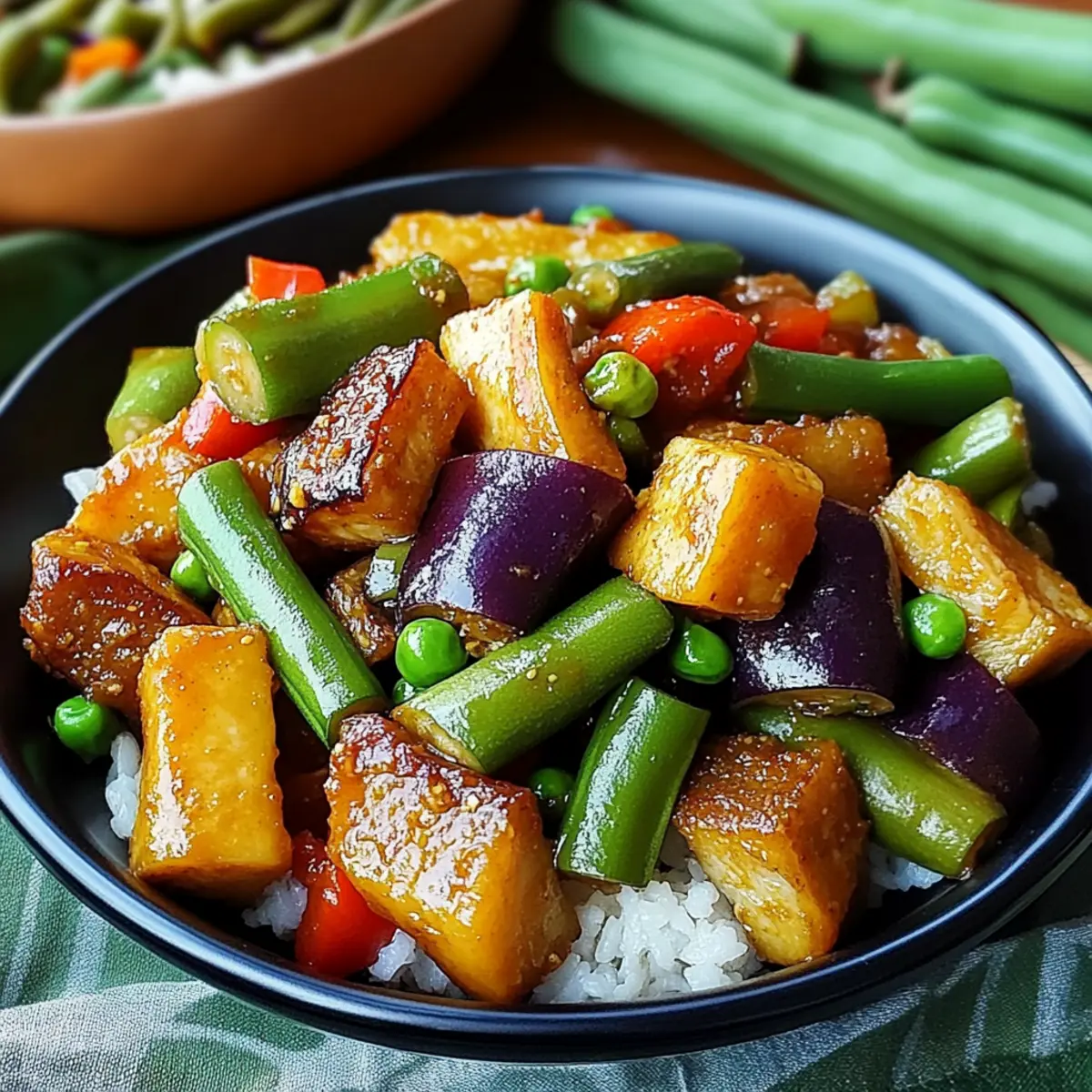
How to Store and Freeze Classic Filipino Vegetable Stew
-
Room Temperature: It’s best to avoid leaving the classic Filipino vegetable stew out at room temperature for more than 2 hours to prevent bacterial growth.
-
Fridge: Store leftovers in an airtight container for up to 3 days. Reheat gently on the stove or in a microwave, adding a splash of water or broth for moisture.
-
Freezer: Freeze portions of the stew in airtight containers for up to 2 months. When ready to enjoy, thaw in the refrigerator overnight and reheat thoroughly before serving.
-
Reheating: For best results, reheat on the stove over low heat, stirring occasionally. Keep an eye on the texture of the vegetables to maintain their delightful crispness!
What to Serve with Authentic Filipino Pinakbet?
The medley of vibrant vegetables in Pinakbet creates a craving for complementary dishes that enhance your meal experience.
-
Steamed Jasmine Rice: This fluffy staple perfectly soaks up the rich, savory broth, making every bite a delight.
-
Grilled Tilapia: The mild, smoky flavor of grilled fish pairs beautifully with the umami depth of Pinakbet, adding a wonderful contrast.
-
Cucumber Salad: A refreshing cucumber salad offers a crunchy, cool counterpoint to the hearty stew, cleansing the palate with each bite.
-
Fried Chicken: Combining the crispy, golden-brown exterior of fried chicken with the tender vegetables of Pinakbet creates a harmonious textural experience.
-
Sweet Potato Mash: A creamy sweet potato mash adds a touch of sweetness, beautifully balancing the savory flavors of the stew.
Pairing these dishes with your classic Filipino vegetable stew will elevate your meal, offering a wonderful array of flavors and textures that everyone will love!
Classic Filipino Vegetable Stew Variations
Feel free to get creative and personalize your Pinakbet with these delightful variations that brighten up every bite!
- Vegetarian Delight: Swap the pork belly for tofu or tempeh, and use vegan fish sauce for a plant-based treat. This variation is perfect for satisfying even the heartiest appetites!
- Seafood Twist: Add plump shrimp or tender crab for a seafood infusion. This takes Pinakbet to another level, introducing fresh ocean flavors that beautifully complement the vegetables.
- Sweet Potato Surprise: Incorporate diced sweet potatoes for a touch of sweetness and creaminess that rounds out the dish. They not only elevate the flavor but also add extra nutrition—a win-win!
- Herb Strategy: Sprinkle in freshly chopped basil or cilantro to liven up the dish. The fresh herbs will add a fragrant and bright finish, making each bite feel refreshing.
- Spicy Variation: Crave a little heat? Toss in chili peppers or red pepper flakes according to your spice level. This fiery tweak brings a vibrant kick that warms you from the inside out.
- Nutty Crunch: Top your stew with roasted peanuts or cashews for added crunch and richness. This textural contrast will make every mouthful exciting and satisfying.
- Coconut Cream: Stir in a splash of coconut milk during the simmering process for an extra creamy texture that brings a lovely, tropical twist to your traditional stew.
- Additional Veggies: Don’t hesitate to throw in extra veggies like bell peppers or spinach for more color and nutrition. More greens always means more goodness in your bowl!
Explore these options and make this classic Filipino vegetable stew your own! And for a tasty accompaniment, consider whipping up some steamed jasmine rice to soak up all those luscious flavors. Enjoy your culinary adventure!
Make Ahead Options
Preparing your classic Filipino vegetable stew ahead of time is a fantastic way to save time during busy weeknights! You can chop all your vegetables (squash, okra, yard-long beans, and eggplant) up to 24 hours in advance and store them in an airtight container in the refrigerator. If you want to take it a step further, you can sauté the pork belly and aromatics the day before to enhance flavors—just refrigerate until ready to use. When you’re ready to serve, simply reheat the sautéed mixture, add the prepped vegetables, and follow the final cooking steps. This method ensures your Pinakbet remains just as delicious while making your meal prep a breeze!
Expert Tips for Classic Filipino Vegetable Stew
- Fresh Ingredients: Always choose the freshest vegetables available; they enhance the flavor and nutrition of your classic Filipino vegetable stew.
- Managing Bitterness: If using bitter gourd, soak it in saltwater for 15-20 minutes before cooking to reduce bitterness.
- Umami Balance: Start with a smaller amount of shrimp paste or fish sauce and adjust to taste as you can always add more for your desired umami flavor.
- Vegetable Texture: Avoid overcooking your vegetables; they should be tender yet still crisp to maintain their vibrant colors and nutritional value.
- Batch Cooking: Make a larger quantity to enjoy leftovers. Store them in an airtight container for up to three days; it tastes even better the next day!
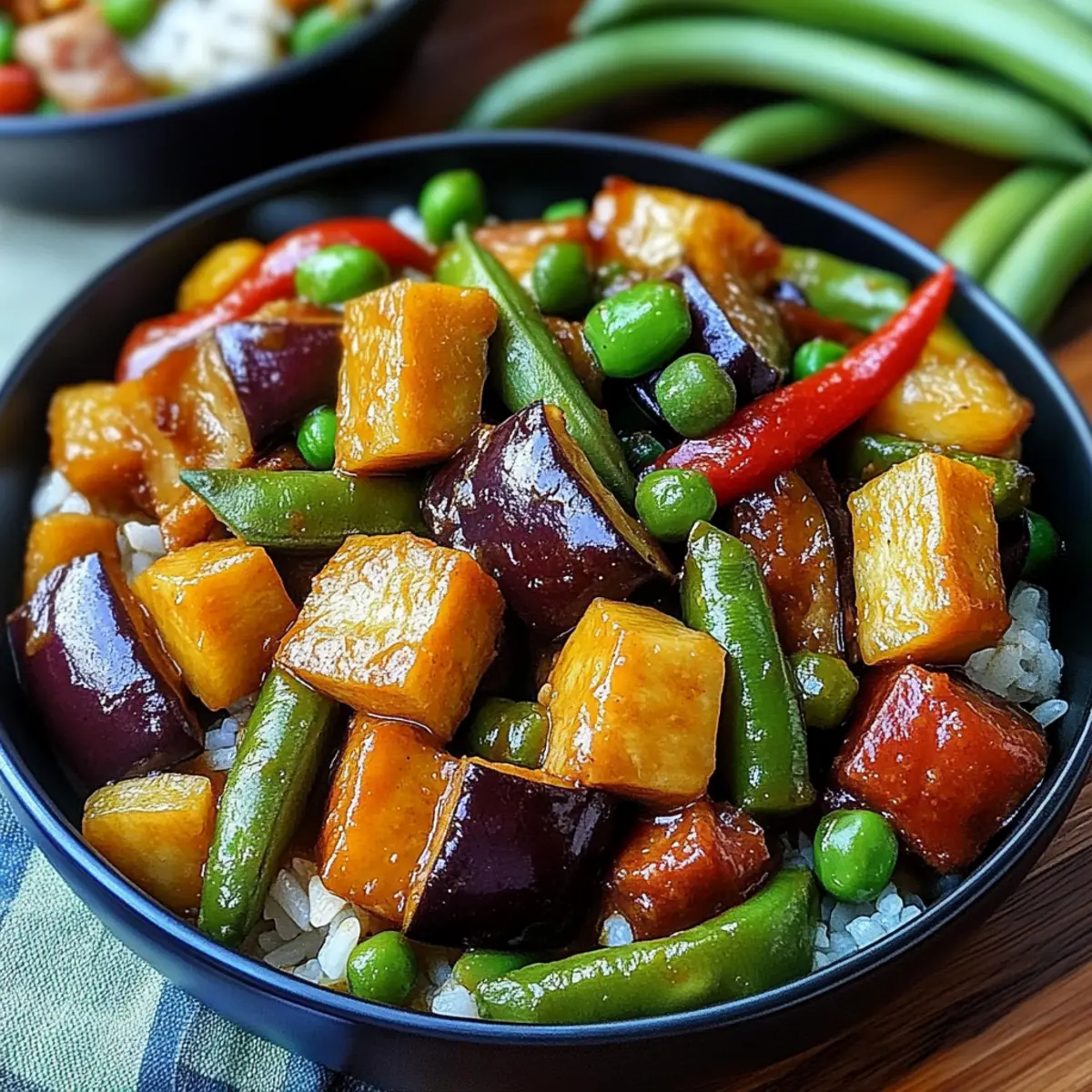
Classic Filipino Vegetable Stew Recipe FAQs
What types of vegetables should I use for Pinakbet?
For an authentic classic Filipino vegetable stew, using fresh and ripe vegetables like squash, eggplant, and okra is ideal. I always recommend using seasonal produce for the best flavor and color. If you can find yard-long beans or bitter gourd, they add a nice texture and uniqueness to the dish. However, feel free to substitute based on what you have; zucchini and green beans are excellent alternatives!
How should I store leftover Pinakbet?
Absolutely! Store leftover Pinakbet in an airtight container in the refrigerator for up to 3 days. When reheating, add a splash of water or broth to maintain moisture and prevent the dish from drying out. Just heat it gently on the stove or in the microwave, ensuring those delightful veggie textures remain intact.
Can I freeze Pinakbet for later use?
Yes, you can freeze it! To preserve your classic Filipino vegetable stew, let it cool completely, then transfer it to airtight containers, leaving some space for expansion. It will freeze well for up to 2 months. When you’re ready to enjoy it, thaw the stew in the refrigerator overnight and reheat thoroughly on the stove.
What if my bitter gourd turns out too bitter?
If you find bitter gourd a bit too sharp for your taste, soak it in saltwater for 15-20 minutes before cooking. This process helps extract some of the bitterness, making the flavor gentler. Rinse it off with water before adding it to your stew for a balanced taste.
Can I make a vegetarian or vegan version of Pinakbet?
Very easily! For a vegetarian or vegan twist on the classic Filipino vegetable stew, simply replace the pork belly with tofu or tempeh. Just remember to use a vegan fish sauce instead of shrimp paste. The freshness of the vegetables will still shine through, creating a delightful and nutritious meal that everyone can enjoy!

Classic Filipino Vegetable Stew: Comfort in Every Bite
Ingredients
Equipment
Method
- Begin by heating 2 tablespoons of vegetable or coconut oil in a large wok over medium-high heat. Once the oil is shimmering, add 500g of pork belly, allowing it to brown for about 5-7 minutes. Stir occasionally to ensure even cooking and visualize that golden brown crust forming as the fat renders.
- Reduce the heat to medium and toss in 1 medium chopped onion or shallot along with 4 minced garlic cloves. Sauté for 2-3 minutes, stirring frequently until the onions become translucent and the garlic is aromatic.
- Incorporate 2 medium chopped tomatoes into the mixture, cooking for an additional 3-5 minutes until they soften and break down.
- Next, stir in 2 tablespoons of shrimp paste or fish sauce, cooking for about 1 minute until the flavors meld together.
- Add 300g of chopped squash along with 1 cup of water or broth to the mix. Stir everything well and cover the pot. Let it simmer for about 2 minutes until the squash starts to soften.
- After 2 minutes, mix in 200g of yard-long beans, 1 medium bitter gourd (sliced), and 1 medium eggplant (chopped). Season with 1 teaspoon of salt and cook for another 2 minutes.
- Lastly, fold in 100g of okra and continue cooking for another 2 minutes until all vegetables are tender yet still crisp.
- Once fully cooked, your classic Filipino vegetable stew is ready to serve! Pair it with steaming jasmine rice and garnish with fresh herbs like basil or cilantro.