
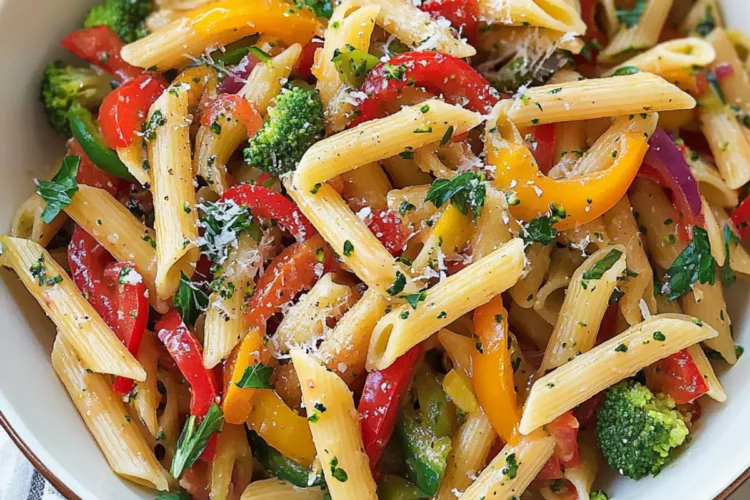
As the vibrant hues of summer fade into cooler months, my kitchen often transitions to dishes that celebrate nature’s colorful bounty. Enter Pasta Primavera, a delightful medley of fresh vegetables and al dente pasta that’s not just perfect for sunny days—but a quick, wholesome meal any time of the year. This vegetarian staple is incredibly versatile, letting you swap in whatever veggies you have on hand, while being a crowd-pleaser that even the pickiest eaters will adore. Whip it up in a flash for a nutritious dinner that sparks joy, all without the temptation of fast food. Curious about how this easy recipe transforms simple ingredients into something extraordinary? Let’s dive in!
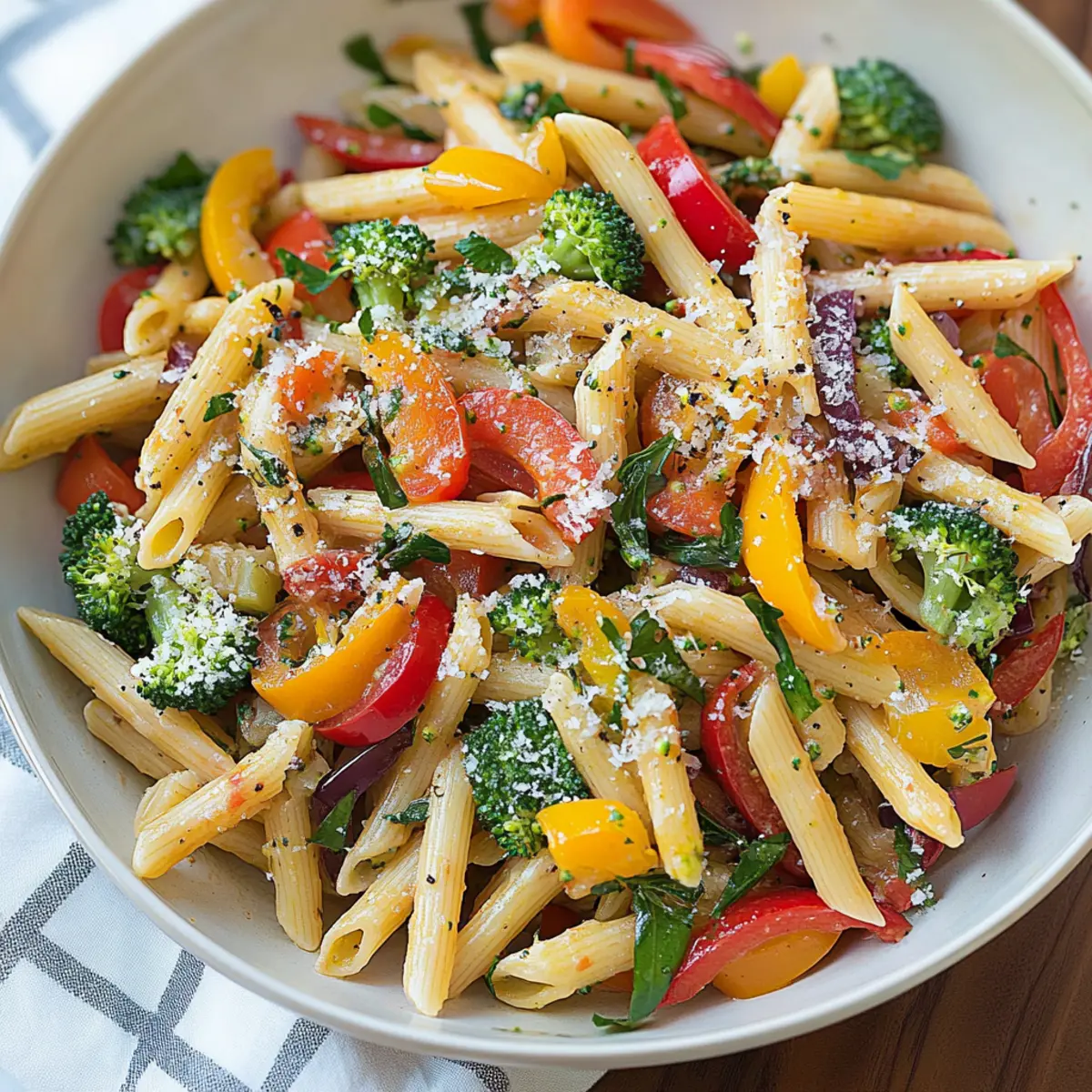
Why is Pasta Primavera a Must-Try?
Vibrant, Colorful Dish: This Pasta Primavera is a feast for the eyes, showcasing a medley of fresh vegetables that brings life to your plate!
Quick and Easy: With simple steps, you’ll be enjoying this delicious and nutritious meal in no time—perfect for busy weeknights.
Versatile Ingredients: Use any seasonal vegetables you have on hand, making it a great way to reduce waste while keeping your meals exciting.
Crowd-Pleaser: Even picky eaters will savor every bite, making it an ideal dish for family dinners or gatherings.
Nutrient-Rich: Packed with vitamins and fiber, this meal aligns perfectly with a healthy lifestyle without compromising on taste.
For more veggie-packed inspiration, don’t forget to check out our delightful Sicilian Pasta Sardine or the spicy twist of Chicken Jerk Pasta.
Pasta Primavera Ingredients
For the Pasta
• Barilla Penne Pasta – This serves as the backbone of our dish; feel free to swap it with any medium pasta type you prefer.
• Salt – Essential for enhancing the dish’s flavor during boiling.
For the Vegetables
• Olive Oil – A healthy fat that not only helps sauté the veggies but also adds a wonderful flavor.
• Red Onion – Brings sweetness and depth; you can easily substitute this with yellow onion.
• Carrot – Adds a vibrant color and natural sweetness; parsnip can be used as a replacement if desired.
• Broccoli Florets – Provides a lovely crunch; asparagus or green beans can work beautifully as alternatives.
• Red Bell Pepper – Gives a sweet and crunchy element; feel free to use any bell pepper variety you have.
• Yellow Squash & Zucchini – Both veggies contribute color and variety; switch them out for eggplant or other seasonal squash.
• Garlic – Imparts aroma and deep flavor, making every bite richer.
• Grape Tomatoes – Bursting with juicy flavors; substitute with cherry tomatoes for a similar taste.
For the Seasoning
• Dried Italian Seasoning – Enhances the flavor profile of your Pasta Primavera—fresh herbs are also a fabulous option if available.
• Lemon Juice – Brightens the dish with freshness; lime juice can serve as an effective alternative.
For the Finish
• Parmesan Cheese – This creamy addition provides richness; consider using Pecorino or nutritional yeast for a vegan twist.
• Fresh Parsley – Adds a pop of freshness and color; alternatively, basil or chives can elevate the dish beautifully.
Dive into making this Pasta Primavera where every bite celebrates the freshness of your favorite vegetables!
Step‑by‑Step Instructions for Pasta Primavera
Step 1: Boil the Pasta
Begin by bringing a large pot of salted water to a rolling boil over high heat. Once boiling, add the Barilla penne pasta and cook according to the package instructions, usually around 10-12 minutes, until it’s al dente. As the pasta cooks, reserve 1/2 cup of the starchy pasta water before draining it, ensuring you have all the flavors locked in for your Pasta Primavera.
Step 2: Heat the Oil
While the pasta is cooking, take a deep skillet and heat 2 tablespoons of olive oil over medium-high heat. Allow the oil to warm for about 1-2 minutes until it shimmers but doesn’t smoke, creating the perfect environment for sautéing. The oil is ready when you can see gentle waves on the surface, inviting the next layer of flavor into your Pasta Primavera.
Step 3: Sauté the Onions and Carrots
Add the sliced red onion and julienned carrot to the hot skillet, stirring frequently. Sauté for about 2 minutes until they soften and the onion turns translucent, releasing its sweet aroma. This foundational step ensures that your Pasta Primavera will have a rich and harmonious flavor profile right from the start.
Step 4: Add the Broccoli and Bell Peppers
Next, introduce the broccoli florets and diced red bell pepper to the mixture, continuing to sauté for another 2 minutes. You want the broccoli to maintain its vibrant green color and slightly crisp texture. As the veggies begin to soften, their sweetness combines beautifully, setting the stage for the rest of your colorful Pasta Primavera.
Step 5: Incorporate the Squash and Zucchini
Now, add the sliced yellow squash and zucchini to the skillet, stirring gently. Cook for an additional 2-3 minutes, ensuring the vegetables become tender but still retain some bite. This layering of flavors and textures brings a delightful variety to your Pasta Primavera, making it visually appealing and satisfying to eat.
Step 6: Add Garlic and Tomatoes
Stir in the minced garlic and halved grape tomatoes, cooking for an extra 2 minutes. You’ll notice a fragrant aroma filling your kitchen as the garlic subtly flavors the dish. The tomatoes will begin to soften and burst, mingling their juices with the sautéed vegetables to create a luscious combination in your Pasta Primavera.
Step 7: Combine with Pasta
Once the vegetables are nicely sautéed, add the drained penne pasta to the skillet, tossing gently to combine everything evenly. Cook for about 1 minute to allow the flavors to meld, ensuring each piece of pasta is coated in the tasty vegetable mix. This step brings your delicious Pasta Primavera to life, transforming simple ingredients into a vibrant dish.
Step 8: Season and Adjust the Consistency
Drizzle the mixture with freshly squeezed lemon juice and toss to coat, using the reserved pasta water as needed to reach your desired consistency. Stir until everything is beautifully amalgamated, brightening the flavors of your Pasta Primavera. Taste and adjust with additional seasoning if necessary, as this is when you can fine-tune the dish to your liking.
Step 9: Finish with Cheese and Herbs
Finally, mix in the grated parmesan cheese and fresh parsley, stirring until the cheese melts slightly and adds creaminess to your dish. This last step ensures your Pasta Primavera is rich and flavorful, offering a satisfying final touch. Serve hot, with extra parmesan on top for an indulgent finish, and let the delectable aromas waft through your home!
Make Ahead Options
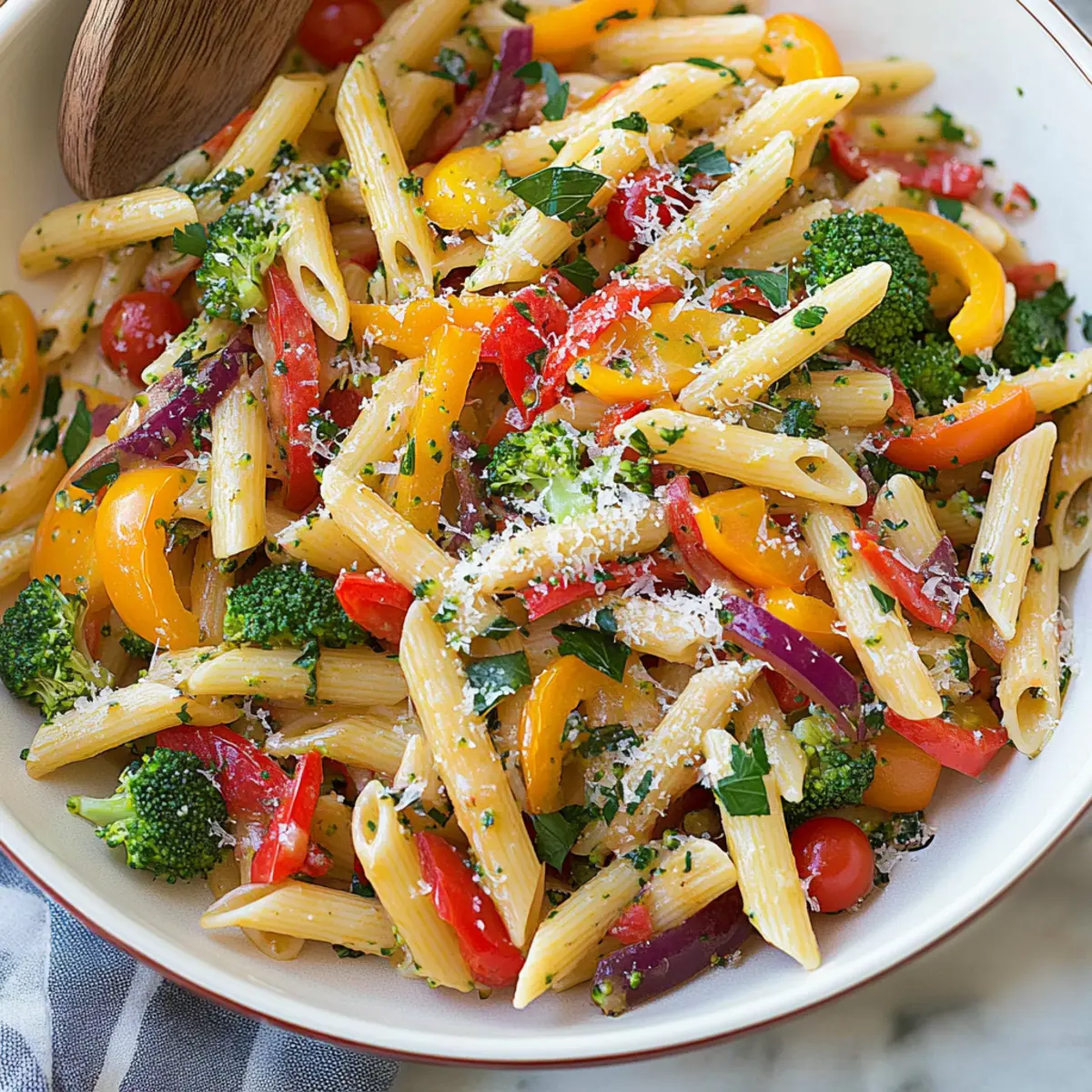
Pasta Primavera is a fantastic recipe for meal prep enthusiasts! You can chop and sauté the vegetables up to 3 days in advance, storing them in an airtight container in the refrigerator to maintain their freshness and crunch. Additionally, you can cook the pasta and store it separately to prevent it from becoming mushy. When you’re ready to enjoy your delightful Pasta Primavera, simply reheat the vegetables and pasta together in a skillet, adding a splash of olive oil or reserved pasta water to keep everything moist. Finish by drizzling with lemon juice and tossing in the parmesan cheese for a dish that’s just as delicious as when freshly made!
Expert Tips for Pasta Primavera
• Fresh Veggies Matter: Choose the freshest seasonal vegetables for the best flavor and nutrient density in your Pasta Primavera.
• Don’t Overcook: Keep your vegetables crisp by sautéing just until tender; no one likes soggy veggies in their meal!
• Reserve Pasta Water: Always save a bit of pasta water before draining. It’s a secret weapon for adjusting the sauce consistency later!
• Taste as You Go: Always sample your dish while cooking, adjusting salt and seasoning as needed for the perfect flavor in your Pasta Primavera.
• Prep Ahead: Consider chopping the veggies ahead of time to make preparing Pasta Primavera even quicker on a busy night.
• Leftovers Bliss: Enjoy leftovers the next day—just add a splash of olive oil or broth to refresh the dish when reheating for lunch!
Pasta Primavera: Creative Swaps to Customize
Feel free to make this Pasta Primavera your own by experimenting with different ingredients and flavors—your taste buds will thank you!
-
Seasonal Veggies: Swap in any seasonal vegetables, like spinach or cauliflower, for a fresh twist. These changes can add exciting new colors and textures to your dish!
-
Protein Boost: Add grilled chicken or sautéed shrimp for extra protein. These additions make this dish heartier and satisfying for a complete meal.
-
Creamy Touch: For a richer flavor, stir in a splash of heavy cream or a dollop of ricotta. This creamy element can elevate your Pasta Primavera to an indulgent experience.
-
Spice it Up: If you’re craving a kick, sprinkle in some red pepper flakes or sauté jalapeños. A hint of spice can complement the veggies and add a new dimension to the dish.
-
Cheese Alternatives: Try using Pecorino cheese or nutritional yeast for a vegan option. This swap maintains a cheesy richness while catering to different dietary preferences.
-
Herb Variations: Use fresh basil or chives instead of parsley for a unique flavor profile. Specific herbs can transform the overall taste and scent of your Pasta Primavera.
-
Zoodle Option: For a low-carb alternative, replace the pasta with spiralized zucchini or squash. This twist provides a lighter version without sacrificing flavor.
-
Autumn Version: Incorporate roasted butternut squash and root vegetables during the fall. This hearty variation captures the essence of the season while delivering warmth and comfort.
By customizing your creation, you can find the perfect balance that speaks to your family’s palate. For more veggie-packed ideas, check out our delightful Sicilian Pasta Sardine or add some zing with Chicken Jerk Pasta.
How to Store and Freeze Pasta Primavera
Fridge: Store your Pasta Primavera in an airtight container for up to 3 days. To maintain flavor and texture, add a drizzle of olive oil before sealing.
Freezer: If you wish to freeze, pack the Pasta Primavera in a freezer-safe container, leaving some space for expansion. It can be kept for up to 2 months.
Reheating: To reheat, thaw overnight in the fridge, then heat in a skillet over medium heat. Add a splash of broth or olive oil to bring back moisture and flavor.
Make-Ahead: Prepare the dish ahead of time and store it in the refrigerator; it tastes even better after the flavors meld together!
What to Serve with Pasta Primavera
Pasta Primavera is not just a standalone delight; it beautifully lends itself to side dishes that elevate your dining experience.
-
Crusty Garlic Bread: Perfect for scooping up the vibrant sauce, this warm bread adds a crunchy texture and aromatic garlic flavor that pairs seamlessly with the freshness of your pasta.
-
Mixed Green Salad: A light salad with a zesty vinaigrette adds a refreshing contrast to the hearty pasta, making each bite feel vibrant and alive. Toss in some cherry tomatoes to echo those in your dish!
-
Grilled Lemon Herb Chicken: For added protein, this simple yet flavorful chicken complements the flavors of the pasta while bringing a smoky grill char into the mix.
-
Parmesan Roasted Cauliflower: This side provides a nutty crunch that enhances the dish’s texture, while the roasted flavors marry well with the Pasta Primavera’s freshness.
-
Raspberry Vinaigrette Quinoa Salad: Offering a bit of sweetness, this salad’s nutty quinoa and fruity dressing introduce a lovely dimension to your meal—a delightful twist that will surprise everyone.
-
Sparkling Water with Lemon: A refreshing drink option that compliments the zestiness of your dish, helping to cleanse your palate and enhance your overall dining experience.
Each of these suggestions adds their own unique flair, transforming your Pasta Primavera into a full and satisfying meal that’s perfect for any occasion.
Pasta Primavera Recipe FAQs
What type of vegetables should I use for Pasta Primavera?
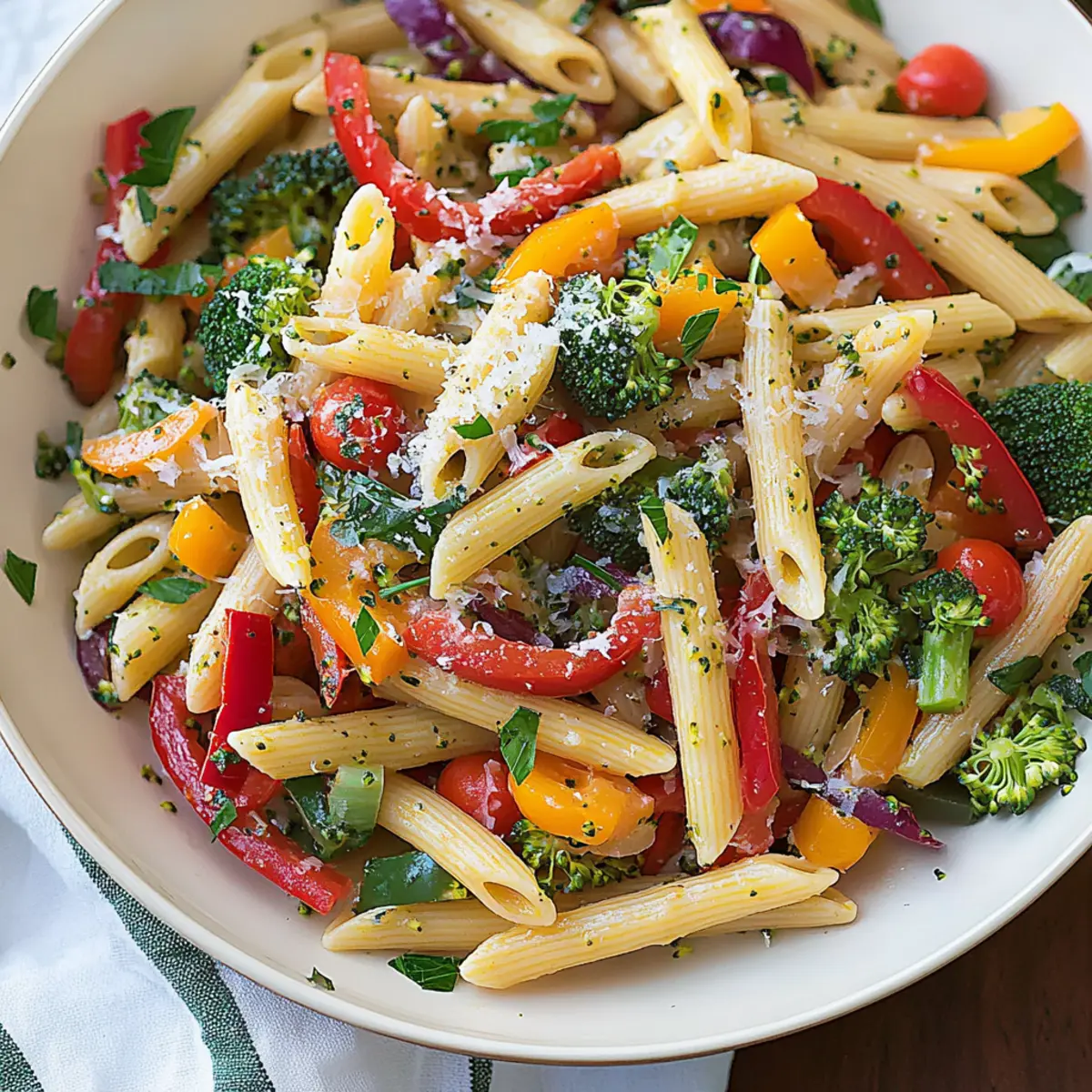
Absolutely! The beauty of Pasta Primavera lies in its versatility. You can use any seasonal vegetables you have on hand. I recommend colorful options like bell peppers, zucchini, broccoli, and grape tomatoes. If you’re feeling adventurous, try adding spinach or asparagus for variety!
How long can I store Pasta Primavera in the fridge?
Very good question! You can store your Pasta Primavera in an airtight container for up to 3 days. To keep the flavors fresh, add a drizzle of olive oil before sealing the container, which helps maintain moisture and enhances taste upon reheating.
Can I freeze leftover Pasta Primavera?
Absolutely! If you’re looking to preserve some of that deliciousness, pack your Pasta Primavera in a freezer-safe container, leaving a little space for expansion. It can be kept in the freezer for up to 2 months. Just remember to label it with the date for easy reference!
What should I do if my veggies seem soggy after cooking?
Sometimes, veggies can lose their crunch if overcooked. To prevent this, be sure to sauté until just tender—about 2-3 minutes for harder vegetables like broccoli. If you’ve overcooked them, don’t fret! Try adding a splash of lemon juice and tossing in fresh herbs. This can often brighten the dish and mask any texture issues.
Is there a way to make Pasta Primavera gluten-free?
Yes! You can easily make Pasta Primavera gluten-free by substituting regular pasta with gluten-free pasta alternatives, such as brown rice or chickpea pasta. Just keep an eye on the cooking times, as they may vary, but the deliciousness remains!
Can I add protein to my Pasta Primavera?
Very much! I often like to stir in some grilled chicken, sautéed shrimp, or even chickpeas for added protein. Incorporating protein not only enhances the flavor but also makes it a more filling meal suitable for any time of the year!
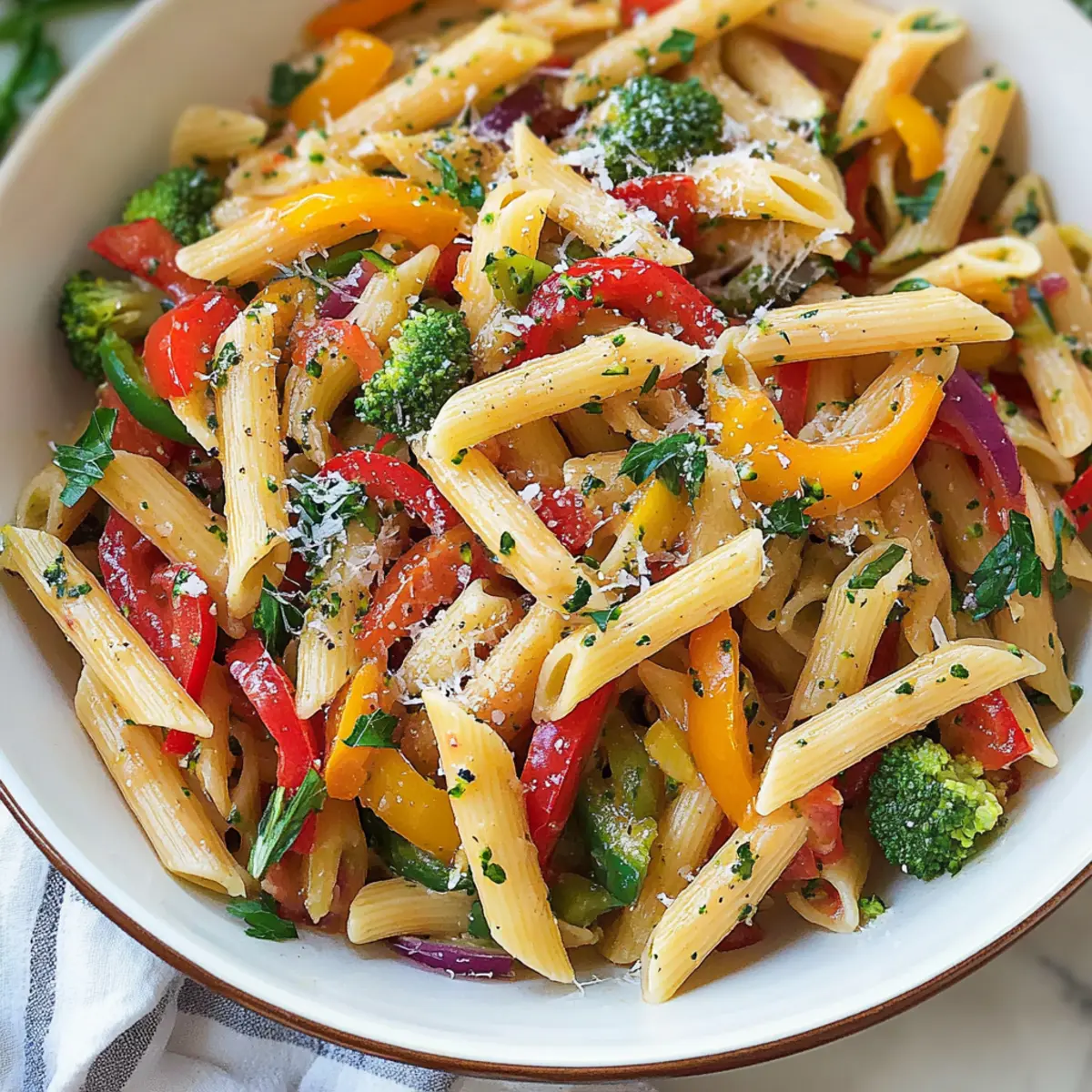
Pasta Primavera: Fresh and Easy Veggie Delight for Any Season
Ingredients
Equipment
Method
- Boil the pasta in salted water according to package instructions, usually 10-12 minutes, and reserve 1/2 cup pasta water before draining.
- Heat olive oil in a deep skillet over medium-high heat.
- Sauté red onion and carrot for about 2 minutes until softened.
- Add broccoli and bell pepper, sauté for another 2 minutes.
- Incorporate yellow squash and zucchini, cook for an additional 2-3 minutes.
- Stir in garlic and grape tomatoes, cook for an extra 2 minutes.
- Combine drained pasta with sautéed vegetables in the skillet.
- Season with lemon juice and adjust consistency using reserved pasta water.
- Finish with parmesan and fresh parsley, serve hot.