As the steam rises and fills the kitchen with a delicious aroma, I can’t help but feel ecstatic about these Vegetarian Japchae Mandu Dumplings. Bursting with colorful veggies and savory glass noodles, each tender dumpling is a little packet of joy. This recipe is perfect for those busy weeknights when you crave something homemade yet quick to whip up. Plus, they double as crowd-pleasing appetizers for your next gathering, making your friends wonder how you pulled off such a tasty treat. With options for gluten-free wrappers, this dish caters to everyone at the table. Ready to explore the delightful world of Japchae mandu dumplings? Grab your ingredients—we’re about to dive into a wholesome culinary adventure!
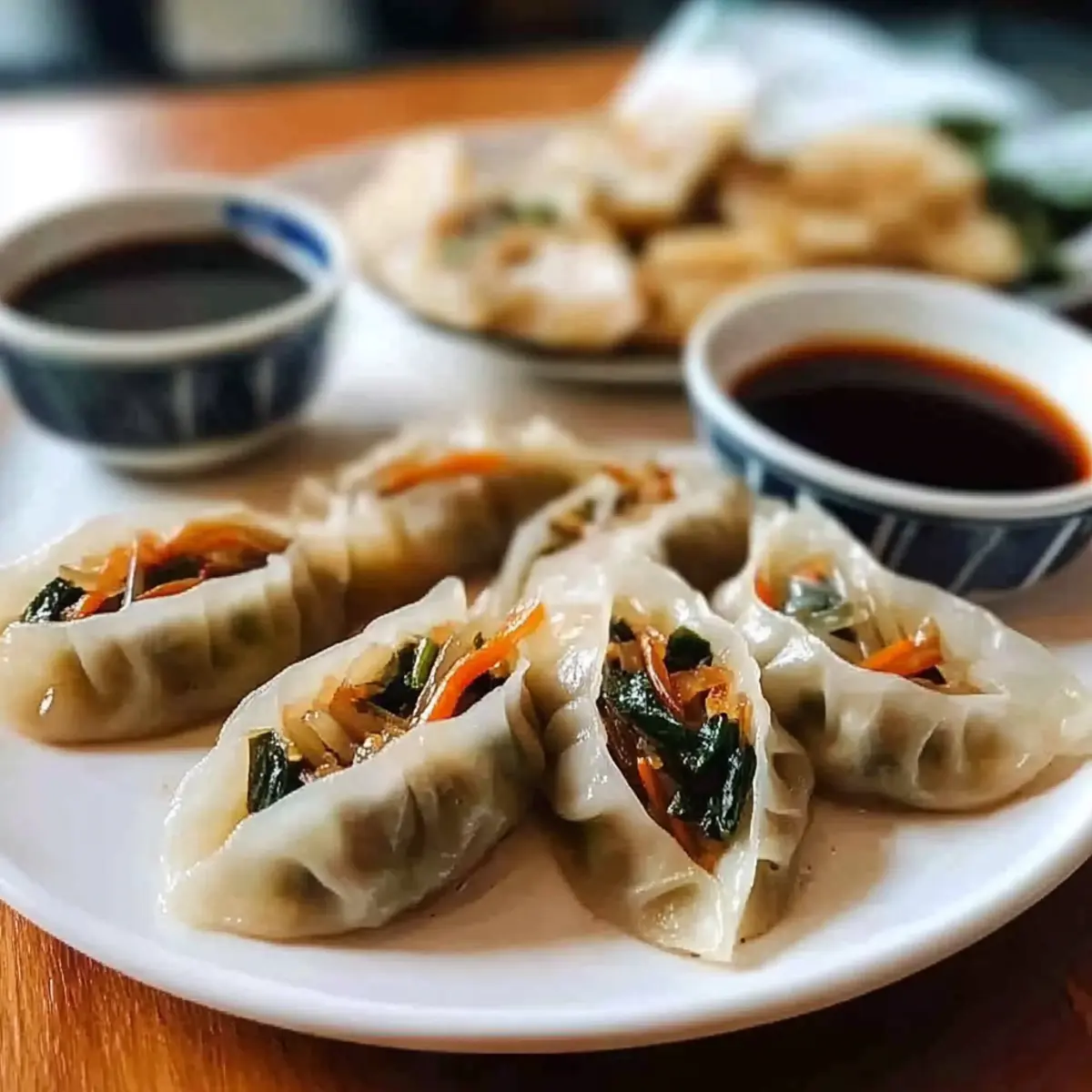
Why are these dumplings a must-try?
Bursting with Flavor: Each bite of these Japchae Mandu Dumplings is a delightful mix of vibrant vegetables and umami-packed glass noodles, creating a flavor explosion that’s hard to resist.
Allergy-Friendly: With the option to use gluten-free wrappers, these dumplings are sure to satisfy everyone’s palate.
Quick & Easy: Perfect for a busy weeknight, these dumplings come together quickly—full of goodness without the hassle.
Crowd-Pleaser: Whether served as an appetizer or a main dish, they’re guaranteed to impress your guests and family alike.
Nutritious: Packed with fresh veggies and tofu, they’re a healthy alternative to typical fast food, allowing you to enjoy homemade comfort food without the guilt.
Japchae Mandu Ingredients
For the Dumplings
• Dumpling Wrappers – Essential for holding the filling; opt for gluten-free wrappers if needed.
• Glass Noodles – Provides unique texture; made from sweet potato starch, soak and rinse before use.
• White Onion – Adds sweetness and moisture to the filling; substitute with green onions for a milder flavor.
• Carrot – Offers crunch and sweetness; grate for even distribution in filling.
• Dried Shiitake Mushrooms – Enhances umami flavor; soak before chopping, fresh mushrooms can be used as a substitute.
• Firm Tofu – The base protein source, crumbled for even distribution; tempeh can be used for a firmer texture.
• Ginger – Adds warmth to filling; can be substituted with minced garlic for a different flavor note.
• Soy Sauce – Seasoning that enhances umami; use low-sodium versions to reduce salt content.
• Sesame Oil – Provides a rich, nutty flavor; toasted sesame oil adds depth.
• Garlic – Aromatic flavor enhancer; fresh is best for optimal taste.
• Sugar – Balances the flavors; honey or agave can also serve as sweeteners.
• Green Onions – For garnishing, adding a refreshing touch.
For Cooking
• Vegetable Oil – Used for frying; can substitute with any neutral oil like canola.
Step‑by‑Step Instructions for Vegetarian Japchae Mandu Dumplings
Step 1: Prepare the Glass Noodles
Start by bringing a pot of water to a boil. Once boiling, add the glass noodles and cook according to the package instructions, usually around 6–8 minutes until tender. After cooking, drain the noodles and rinse them under cold water to stop the cooking process. Allow the noodles to cool completely before setting them aside for the filling.
Step 2: Sauté the Vegetables
In a large skillet, heat 2 tablespoons of vegetable oil over medium heat. Add minced garlic, diced onion, and grated carrot, sautéing for about 3–4 minutes until the onion is translucent and the carrots are tender. Stir frequently to promote even cooking and to prevent sticking. The aroma should fill your kitchen, indicating that the vegetables are ready for the next step.
Step 3: Combine the Filling
Add the soaked and chopped shiitake mushrooms, cooled glass noodles, crumbled tofu, soy sauce, sesame oil, and sugar to the skillet. Stir everything together for about 5 minutes over medium heat until heated through and evenly combined. The mixture should be well integrated, and the veggies should glisten with the sauce. Remove from heat and let it cool slightly before assembling the dumplings.
Step 4: Assemble the Dumplings
Take a dumpling wrapper and place about 1 tablespoon of the filling in the center. Moisten the edges of the wrapper with a little water, then fold it in half, pressing to seal tightly. Make sure no filling escapes to ensure a clean cook. Repeat this process until all wrappers are filled, placing them on a parchment-lined tray to prevent sticking.
Step 5: Steam the Dumplings
Prepare a steaming setup by filling a pot with water and bringing it to a gentle simmer. Place the assembled dumplings in the steamer basket, ensuring they are not touching each other. Steam the dumplings for 10–15 minutes, or until the wrappers become translucent and firm to touch. You’ll know they’re done when they have a nice sheen and feel tender yet springy.
Step 6: Prepare the Dipping Sauce
While the dumplings steam, whisk together 2 tablespoons of soy sauce, 1 tablespoon of vinegar, and 1 teaspoon of sugar in a small bowl. Add optional garnishes like sliced green onions or sesame seeds for added flavor. This simple dipping sauce will perfectly complement the savory taste of your Japchae Mandu Dumplings.
Step 7: Serve and Enjoy
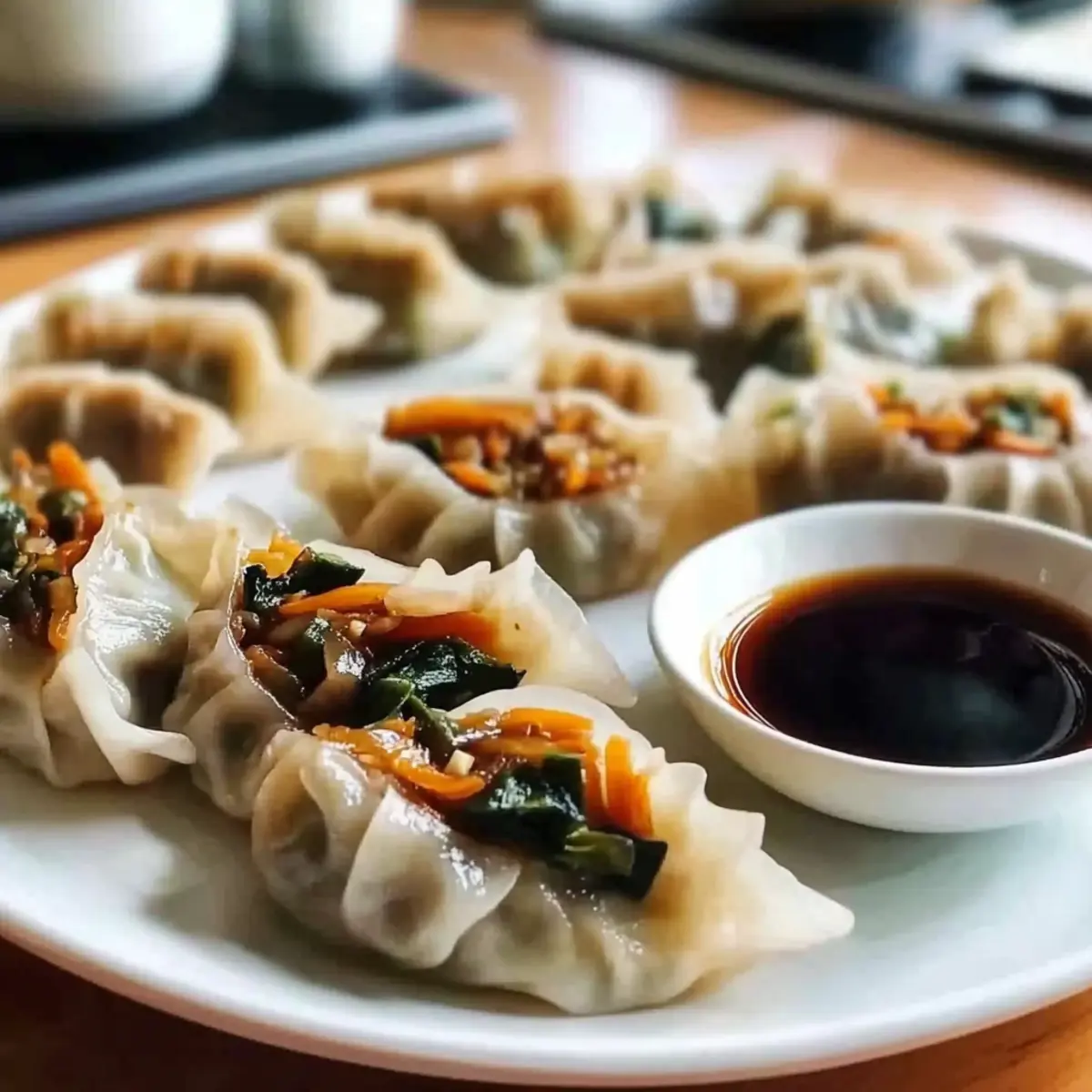
Once the dumplings are steamed and the dipping sauce is ready, plate the dumplings while they are warm. Garnish them with extra green onions for freshness and serve alongside the dipping sauce. Your Vegetarian Japchae Mandu Dumplings are a delightful treat, ready to be enjoyed by family and friends!
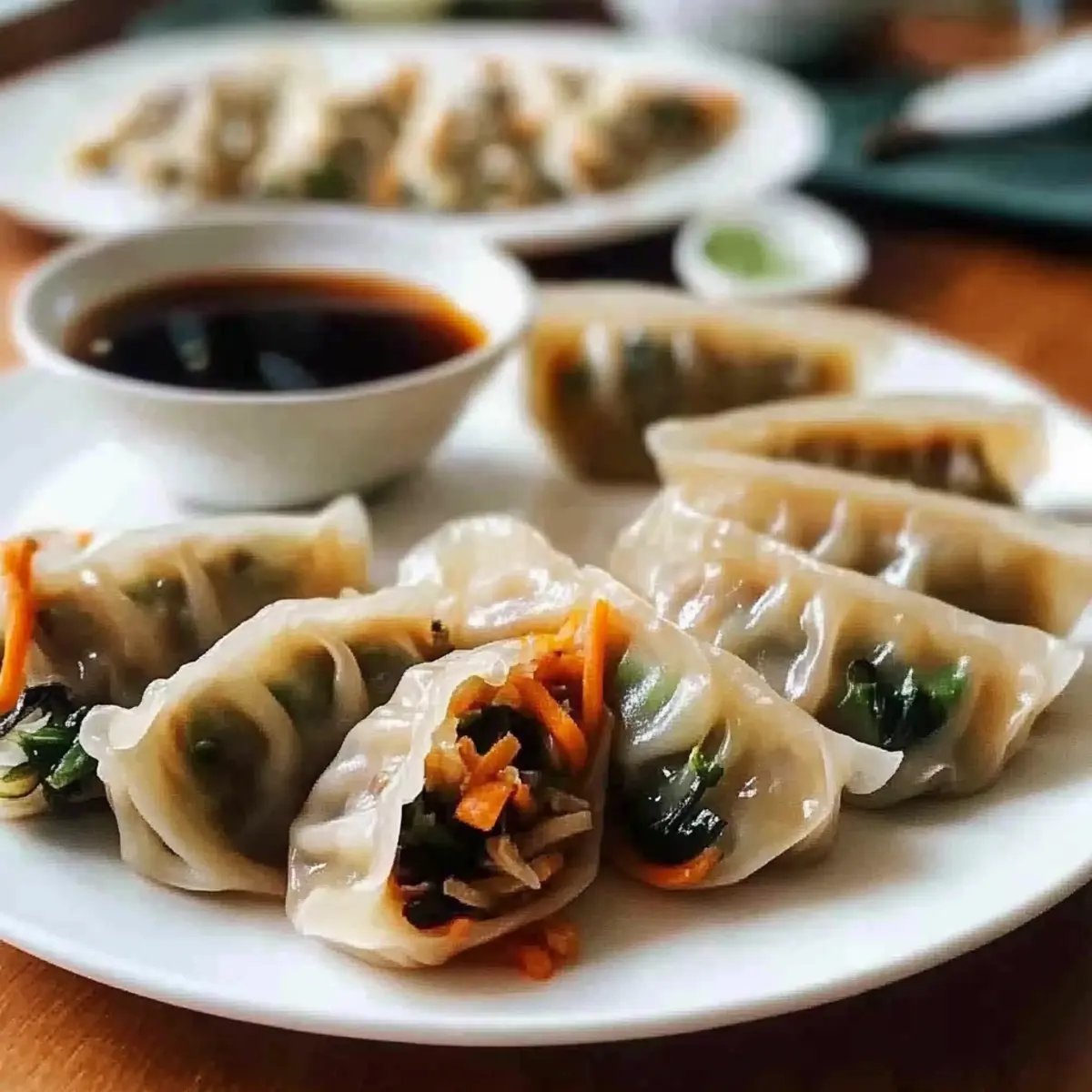
Tips for the Best Japchae Mandu Dumplings
-
Filling Perfection: Ensure each dumpling holds just about 1 tablespoon of filling. Overfilling can lead to messy dumplings that burst during cooking.
-
Texture Check: After steaming, test a dumpling—the wrapper should be tender and slightly chewy, perfectly encasing the savory filling.
-
Moisture Control: Serve the dumplings right after steaming or frying to avoid soggy wrappers. If they’re sitting, keep them covered to retain moisture.
-
Customize Veggies: Feel free to play around with the filling! Seasonal vegetables can enhance the flavor and nutrition of your Japchae Mandu Dumplings.
-
Storing Tips: Uncooked dumplings can be frozen in a single layer. Steam them directly from frozen for a quick meal without sacrificing taste.
How to Store and Freeze Japchae Mandu Dumplings
Fridge: Keep cooked Japchae mandu dumplings in an airtight container for up to 3 days to maintain freshness. Reheat them in a steamer or microwave, drizzling a bit of water to prevent drying out.
Freezer: Uncooked dumplings can be frozen individually on a baking sheet for easy storage. Once frozen, transfer them to a zip-top bag or airtight container. They can be stored for up to 2 months.
Reheating: When ready to enjoy, steam the frozen dumplings directly from the freezer for about 15-20 minutes or until cooked through. Avoid defrosting to ensure optimal texture.
Leftovers: If you have leftover cooked dumplings, consume them within 2 days. Simply reheat them in a skillet with a splash of oil for a crispy finish!
Japchae Mandu Dumplings Variations
Feel free to explore these delightful twists on your Japchae Mandu Dumplings for a personalized culinary experience!
-
Gluten-Free: Use rice paper or gluten-free dumpling wrappers to cater to gluten-sensitive guests without sacrificing taste.
-
Bibim Mandu: Add spicy gochujang sauce to the filling for a fiery Asian-inspired kick that elevates the heat level perfectly.
-
Seasonal Veggies: Substitute carrots with seasonal favorites like zucchini or asparagus to keep it fresh and vibrant all year round.
-
Protein-Packed: Swap the tofu for finely chopped tempeh or even ground chicken for a heartier filling that suits meat lovers.
-
Herbal Twist: Mix in fresh cilantro or basil for an aromatic burst that brings a delightful freshness to each dumpling.
-
Cheesy Version: Incorporate feta or cream cheese into the filling for a creamy texture and unique flavor that will wow your taste buds.
-
Sweet and Savory: Add a touch of diced pineapple to the mix for a surprising sweetness that pairs beautifully with the savory elements.
-
Savory Dipping Sauce: Consider a sesame soy sauce for dipping, blending soy sauce with sesame oil and a sprinkle of sesame seeds to enhance the overall umami experience.
Ready to dive deeper into your culinary journey? Try making Dumpling Wrappers from scratch or discover the art of Homemade Sauces for the perfect pairing. Your kitchen will be transformed into a world of creative possibilities!
Make Ahead Options
These Japchae Mandu Dumplings are a fantastic solution for meal prep! You can prepare the filling—combining sautéed vegetables, glass noodles, crumbled tofu, and seasonings—up to 3 days in advance. Simply store it in an airtight container in the refrigerator to keep it fresh and prevent any flavors from dulling. When you’re ready to serve, assemble the dumplings and steam them for about 10-15 minutes; they will taste just as delicious as if made fresh! Additionally, uncooked dumplings can be frozen in a single layer. When you’re in a pinch, simply steam them straight from the freezer—perfect for busy weeknights when a homemade meal is a must!
What to Serve with Vegetarian Japchae Mandu Dumplings
These delicious dumplings make for a scrumptious centerpiece, but pairing them with the right sides elevates the whole meal experience.
-
Steamed Bok Choy: The slight bitterness of bok choy adds a wonderful contrast to the savory dumplings, complementing their flavors effortlessly. A sprinkle of sesame seeds enhances its nutty profile, making it a delightful side.
-
Kimchi: This classic fermented side dish introduces a spicy and tangy kick that cuts through the richness of the dumplings. Serving different varieties, from radish to cabbage, brings vibrant flavors to your table.
-
Rice Paper Salad: Fresh, crisp veggies wrapped in light rice paper add a satisfying crunch and a refreshing element. A sweet chili dipping sauce ties it all together for a unique textural contrast.
-
Cucumber Salad: Tossed in rice vinegar and sesame oil, this light salad is both refreshing and zesty. Its bright flavors cleanse the palate, enhancing every bite of the dumplings.
-
Miso Soup: The warm umami notes of a simple miso soup create a comforting balance when served alongside your dumplings. Add tofu and seaweed for added texture.
-
Fruit Sorbet: For dessert, a scoop of fruity sorbet offers a light and refreshing finish that cleanses the palate after the savory feast. Choose flavors like mango or raspberry for a bright note.
-
Chilled Green Tea: A glass of chilled green tea is not only refreshing but adds a subtle earthiness that pairs beautifully with the flavors of the dumplings.
-
Pickled Vegetables: A side of tangy pickled vegetables adds an exciting crunch and zesty flavor, creating a perfect palate cleanser between dumpling bites.
Japchae Mandu Dumplings Recipe FAQs
How do I know when my glass noodles are the right consistency?
Absolutely! Glass noodles should be tender but still retain a slight bite (al dente). Typically, cooking them for 6-8 minutes in boiling water will do the trick. Afterward, rinse them under cold water to stop the cooking process. They’ll be perfect for your filling!
How should I store leftover dumplings?
Great question! Cooked Japchae mandu dumplings can be stored in an airtight container in the fridge for up to 3 days. To reheat, use a steamer or microwave, adding a splash of water to prevent them from drying out.
Can I freeze uncooked Japchae mandu dumplings?
Very much so! To freeze, lay the assembled dumplings in a single layer on a baking sheet and place them in the freezer until they’re solid. After that, transfer them to a zip-top bag or airtight container where they can last up to 2 months. When you’re ready to enjoy, steam them straight from the freezer for about 15-20 minutes.
What if my dumpling wrappers are tearing while assembling?
If your wrappers are tearing, it might be due to dryness. Try keeping them covered with a damp cloth while you work to maintain moisture. If you’re using homemade wrappers, ensure they aren’t too thin. Also, be cautious not to overfill them, as this can lead to breaks during cooking.
Are these dumplings suitable for gluten-free diets?
Absolutely! You can easily make Japchae Mandu dumplings gluten-free by selecting gluten-free dumpling wrappers. Just ensure that other ingredients like soy sauce are also gluten-free variants. This way, everyone can enjoy these tasty appetizers without concern!
What are some good dipping sauce options for these dumplings?
The classic dipping sauce combines soy sauce, vinegar, and a touch of sugar, but feel free to add a kick! I often include sesame oil or chili oil for an extra flavor burst. You can also serve them with a citrusy ponzu sauce or a spicy gochujang mix if you’re feeling adventurous.
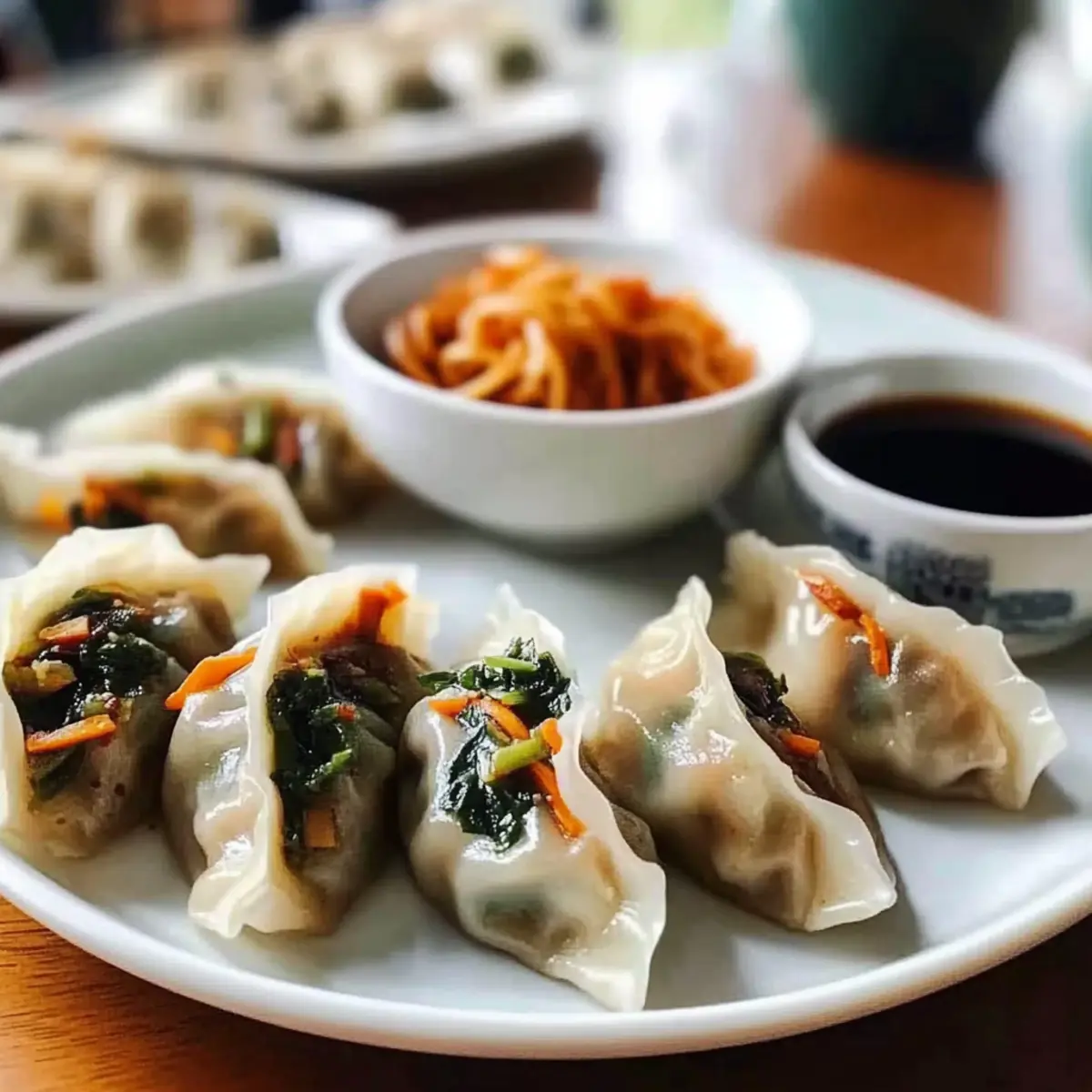
Savory Japchae Mandu Dumplings for Cozy Nights In
Ingredients
Equipment
Method
- Prepare the Glass Noodles: Bring a pot of water to a boil, add glass noodles, and cook according to package instructions (6–8 minutes) until tender. Drain and rinse under cold water, and allow to cool.
- Sauté the Vegetables: Heat vegetable oil in a skillet. Add garlic, onion, and carrot; sauté for 3–4 minutes until translucent.
- Combine the Filling: Add shiitake mushrooms, cooled glass noodles, crumbled tofu, soy sauce, sesame oil, and sugar. Stir for about 5 minutes.
- Assemble the Dumplings: Place about 1 tablespoon of filling in the center of a wrapper, moisten edges, fold, and seal tightly. Repeat until all wrappers are filled.
- Steam the Dumplings: Place dumplings in a steamer basket over simmering water. Steam for 10–15 minutes until wrappers are translucent.
- Prepare the Dipping Sauce: Mix soy sauce, vinegar, and sugar in a bowl. Add optional garnishes like green onions.
- Serve and Enjoy: Plate the dumplings warm, garnish with green onions, and serve with dipping sauce.