
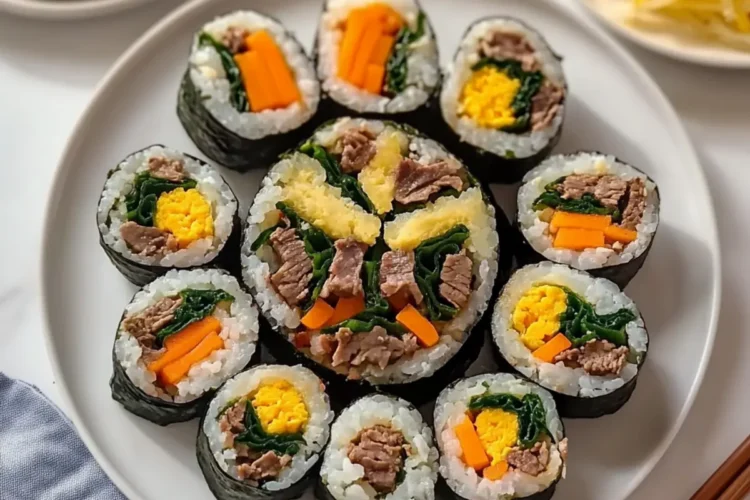
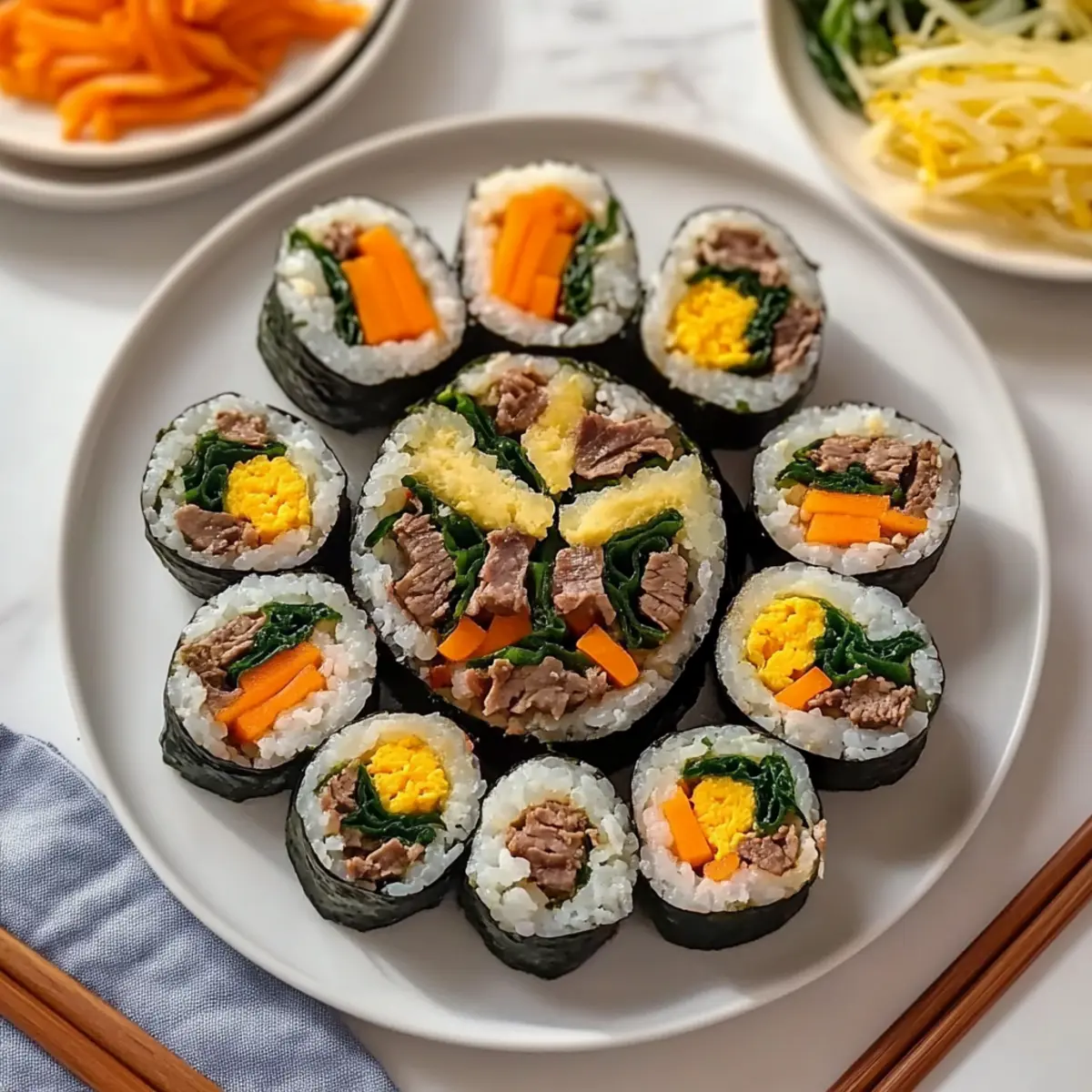
The first time I tried Kimbap, I was transported to a bustling street in Seoul where vibrant colors and enticing aromas filled the air. These Korean seaweed rice rolls are not just visually stunning; they’re also a delightful grab-and-go snack packed with umami goodness. Made with seasoned rice, marinated beef, fresh vegetables, and wrapped in crispy seaweed, Kimbap is surprisingly simple to prepare at home, making it perfect for quick lunches or a family picnic. One of the best parts? You can easily customize these rolls with your favorite fillings, making them both satisfying and adaptable to various diets. Are you ready to roll up your sleeves and dive into the world of Kimbap?
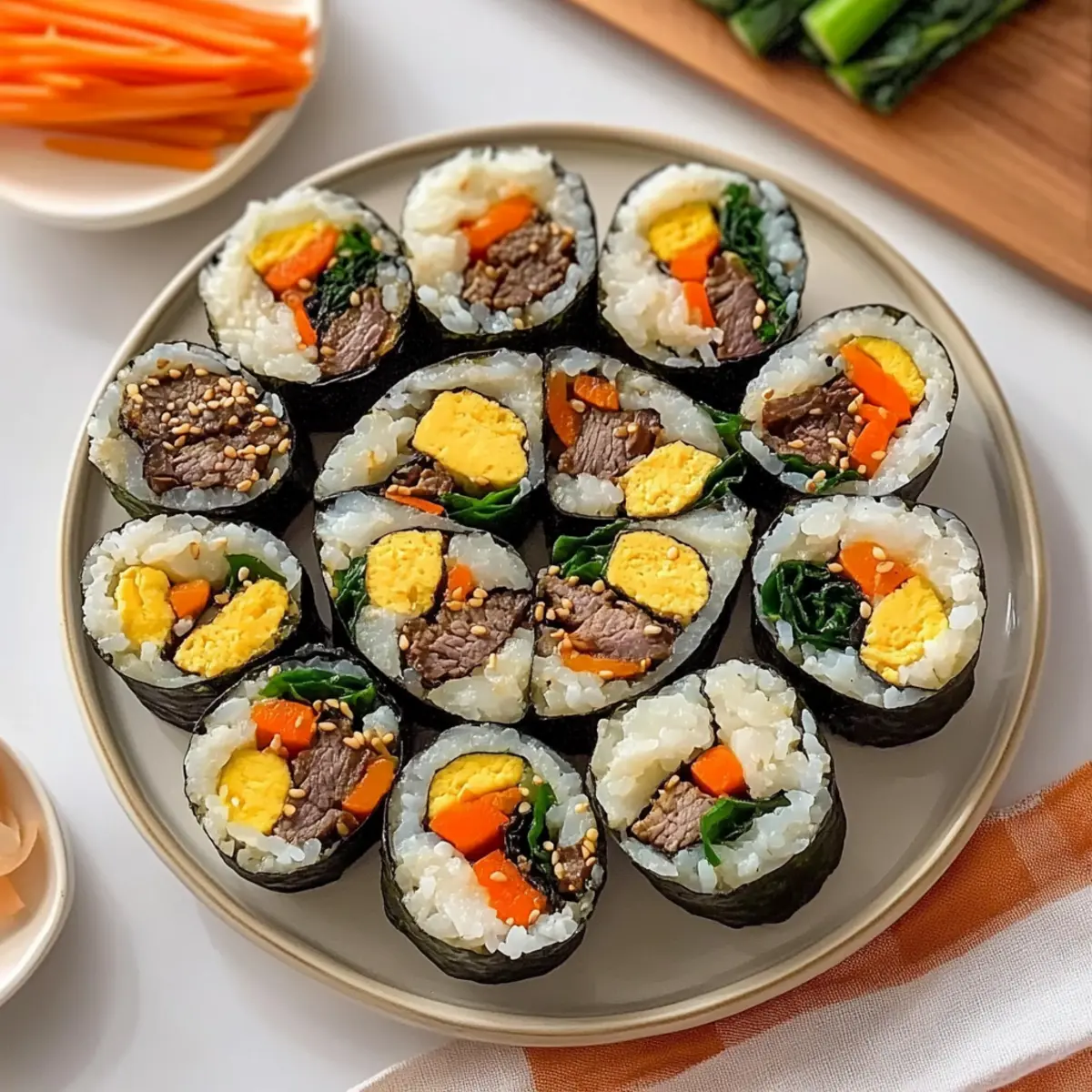
Why are Korean Seaweed Rice Rolls amazing?
Vibrant Colors: Each roll presents a beautiful array of colors, making them as pleasing to the eye as they are to the palate.
Umami Punch: The mix of marinated beef, fresh vegetables, and the umami-rich seaweed gives each bite an explosion of flavor.
Customizable Options: Easily swap fillings like marinated tofu or avocado for a vegetarian twist, catering to all dietary preferences.
Quick & Convenient: Perfect for busy days, Kimbap is a wholesome, grab-and-go snack for school lunches or work breaks, much like these delicious Ground Turkey Rice bowls.
Family-Friendly Fun: Rolling Kimbap can turn into a fun family activity, encouraging everyone to get creative and personalize their rolls!
Korean Seaweed Rice Rolls Ingredients
For the Rice
• Short-grain rice – 2 cups uncooked, provides structure and a sticky texture; use Korean variety for best results.
• Water – 2 cups, essential for cooking the rice to perfection.
• Sesame oil – 1 tablespoon, adds a rich, nutty flavor to the finished rice.
• Salt – ½ teaspoon, enhances the overall flavor of the rice.
For the Fillings
• Beef – 8 oz sliced sirloin or ribeye, a protein source that can be marinated for tenderness; substitute with tofu for a vegetarian option.
• Soy sauce – 1 tablespoon, contributes saltiness and depth to the marinated beef.
• Mirin – 1 teaspoon, balances flavors in the marinade with its slight sweetness.
• Garlic – 2 cloves minced, infuses aroma and richness into the beef marinade.
• Spinach – 8 oz, adds freshness and nutritional value; can replace with bok choy.
• Carrots – 2, peeled and julienned, provide a crunchy texture and vibrant color.
• Danmuji (Pickled Radish) – 4-5 strips, offers tangy flavor and a delightful crunch.
• Eggs – 3 large, whisked and cooked into strips, adding richness and protein.
• Fish cake – 2 sheets sliced into strips, optional for additional texture and flavor.
For Assembly
• Seaweed sheets (gim) – 4-5 sheets, these wrap all the flavorful fillings together in each roll.
With these Korean Seaweed Rice Rolls ingredients, you’re all set to embark on a culinary adventure that combines flavor, color, and creativity!
Step‑by‑Step Instructions for Korean Seaweed Rice Rolls
Step 1: Prepare the Rice
Start by rinsing 2 cups of short-grain rice under cold water until the water runs clear. Cook the rice using a rice cooker or pot with 2 cups of water for about 20 minutes or until fluffy. When ready, gently fluff the rice with a fork and mix in 1 tablespoon of sesame oil and ½ teaspoon of salt. Allow the rice to cool slightly before assembling your Korean Seaweed Rice Rolls.
Step 2: Marinate the Beef
In a mixing bowl, combine 8 oz of sliced sirloin or ribeye with 1 tablespoon of soy sauce, 1 teaspoon of mirin, 1 tablespoon of sugar, 1 tablespoon of sesame oil, and 2 minced garlic cloves. Stir well to ensure the beef is evenly coated with the marinade. Let the beef sit for 15 minutes. This step infuses flavor into the protein, essential for your delicious Korean Seaweed Rice Rolls.
Step 3: Prepare the Spinach
Bring a small pot of water to a boil. Add 8 oz of spinach and blanch it for approximately 30 seconds, just until wilted. Drain the spinach and quickly cool it under cold running water to stop the cooking process. Squeeze out excess moisture and season with a drizzle of sesame oil and a pinch of salt. This step adds a vibrant element to your Kimbap.
Step 4: Sauté the Carrots
In a skillet over medium heat, warm 1 teaspoon of oil and add the julienned carrots. Sauté for about 1 minute until they are tender yet still crisp. Season with a pinch of salt and remove from heat. The lightly cooked carrots will provide a delicious crunch and vibrant color to your Korean Seaweed Rice Rolls.
Step 5: Cook the Eggs
Whisk together 3 large eggs with a pinch of salt in a bowl. Heat a non-stick skillet over medium-low heat and pour in the eggs, swirling to create a thin layer. Cook until set, about 2-3 minutes, then fold and slice the cooked egg into strips. These strips will add richness to your Kimbap and are essential for creating layers of flavor.
Step 6: Sauté the Fish Cake
Heat another teaspoon of oil in the skillet and add the sliced fish cake. Sauté for 2-3 minutes, adding a splash of soy sauce and a sprinkle of sugar. Cook until the fish cake is slightly golden and tender. This step is optional but adds delightful texture and flavor to your Korean Seaweed Rice Rolls.
Step 7: Cook the Beef
In the same skillet, stir-fry the marinated beef over high heat for about 2-3 minutes until fully cooked and browned. Make sure it’s evenly cooked through. The quick cooking enhances the meat’s flavor, making it a perfect filling for your Kimbap.
Step 8: Assemble the Kimbap
Place a sheet of seaweed on a bamboo mat, shiny side down. Spread a generous layer of the seasoned rice, leaving a small border at the edges. Arrange your prepared fillings—spinach, sautéed carrots, cooked beef, egg strips, and fish cake—horizontally across the rice. Carefully lift the mat to roll the Kimbap away from you, pressing gently as you go to ensure a tight roll. Slice your Korean Seaweed Rice Rolls into bite-sized pieces, and enjoy!
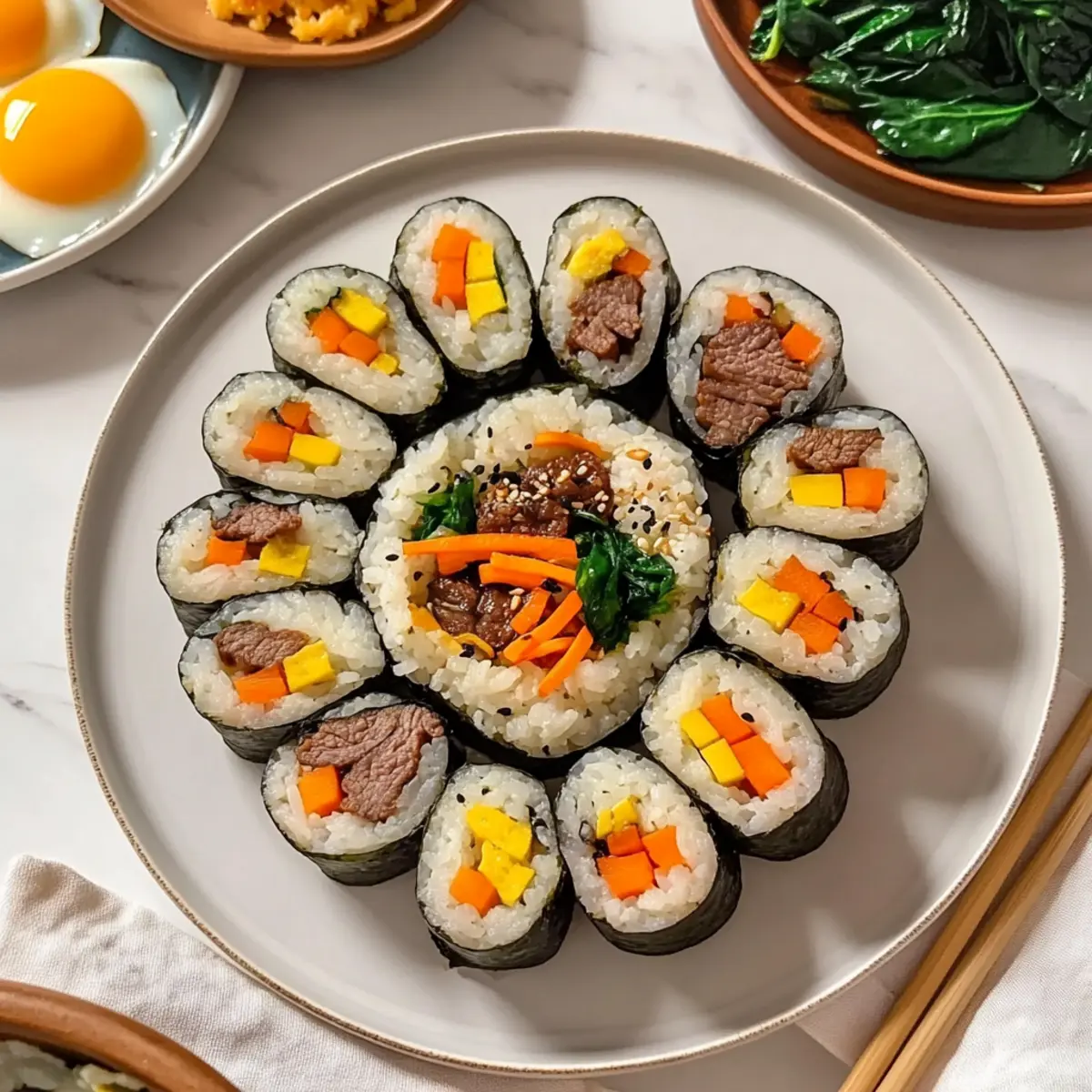
Expert Tips for Korean Seaweed Rice Rolls
• Perfect Rice: Use a rice cooker to achieve the ideal texture; it ensures fluffy, sticky rice that holds together beautifully in your Korean Seaweed Rice Rolls.
• Tight Rolling: Make sure to roll the Kimbap tightly to prevent fillings from falling out. It’s the key to achieving that perfect bite!
• Cold Ingredients: Allow hot rice to cool slightly before assembling to avoid soggy seaweed. This keeps your rolls fresh and crunchy.
• Damp Knife: To slice the rolls neatly, use a damp knife. It prevents the rice from sticking and creates clean edges for presentation.
• Customize Fillings: Don’t hesitate to experiment! Try adding your favorite vegetables or proteins for personalized Korean Seaweed Rice Rolls that suit your taste preferences.
Variations & Substitutions for Korean Seaweed Rice Rolls
Looking to personalize your Korean Seaweed Rice Rolls? Discover these delightful twists that will elevate your culinary experience!
-
Vegetarian Delight: Replace beef with marinated tofu for a plant-based protein option. It absorbs the marinade’s flavors beautifully, making each bite just as satisfying.
-
Crunchy Extras: Add sliced cucumber or crispy pickles for an added crunch that complements the soft rice and tender fillings. A refreshing twist is achieved!
-
Spicy Kick: Toss in some sriracha or gochujang while preparing the marinade for an exciting, spicy version. Just a little goes a long way in adding heat!
-
Fresh Avocado: Incorporate creamy avocado slices for a rich texture, balancing the other fillings perfectly. This gives the rolls a luxurious feel that’s simply irresistible.
-
Mushroom Medley: Use sautéed shiitake or enoki mushrooms for a savory Earthiness that pairs beautifully with the umami of the beef or tofu. They also add a touch of gourmet flair!
-
Seafood Option: Swap beef with cooked shrimp or crab for a seafood-inspired Kimbap that brings a taste of the ocean right to your plate. A truly delightful variation!
-
Additional Veggies: Experiment with other vegetables like sautéed zucchini or bell peppers for even more variety. Each option brings its own character and color to the rolls.
While you’re customizing, consider enjoying these flavorful bites alongside some Gooey S’mores Rolls or delicious Basal Beef Rolls for a well-rounded meal!
Storage Tips for Korean Seaweed Rice Rolls
• Room Temperature: Consume Kimbap within a few hours for optimal freshness. If left out, the seaweed can become soggy and lose its crispness.
• Fridge: Wrap leftover rolls in plastic wrap or store in an airtight container for up to 1-2 days. Expect the rice to firm up slightly after refrigeration.
• Freezer: For long-term storage, freeze Kimbap for up to 1 month. Wrap securely in plastic wrap and place in a freezer-safe bag to prevent freezer burn.
• Reheating: When ready to enjoy your frozen Korean Seaweed Rice Rolls, thaw in the fridge overnight and then microwave wrapped in a damp towel for moisture.
What to Serve with Korean Seaweed Rice Rolls
Nothing pairs better with the delightful flavors of these rolls than vibrant sides and refreshing drinks.
-
Kimchi: This spicy, tangy fermented side dish adds a zesty kick that complements the clean flavors of Kimbap beautifully. It’s a traditional pairing that brings the meal to life.
-
Sesame Cucumber Salad: Crisp cucumbers tossed in a light sesame dressing provide a refreshing crunch that balances the savory richness of the Kimbap. Consider it a cooling element that enhances each bite.
-
Pickled Radish: The tangy crunch of pickled radish, similar to danmuji in the rolls, enhances the overall umami experience. Each bite brings a delightful pop of flavor, making it a perfect accompaniment.
-
Sweet Potato Fries: These offer a sweet, crispy contrast to the savory rolls, creating a well-rounded meal. Bathe them in a dash of sea salt for a comforting twist.
-
Spicy Soy Dipping Sauce: A blend of soy sauce, chili oil, and garlic creates a rich, umami-packed dip that pairs excellently with the Kimbap. It adds another layer of flavor with every bite.
-
Green Tea: Refreshing and light, green tea is a fantastic beverage choice that cleanses the palate and complements the savory notes of Korean seaweed rice rolls.
-
Fresh Fruit Salad: Sweet, juicy fruits like watermelon and strawberries provide a refreshing contrast against the savory Kimbap. This adds a bright, fruity finish to your meal.
Make Ahead Options
Korean Seaweed Rice Rolls are perfect for meal prep enthusiasts looking to save time during busy weeknights! You can prepare the rice up to 24 hours in advance and store it in an airtight container in the refrigerator to keep it fresh. Additionally, marinate the beef and blanch the spinach 1-2 days ahead. When you’re ready to serve, simply sauté the marinated beef and assemble your rolls with the prepped fillings. This way, you will enjoy the same delicious flavors without the stress of last-minute cooking. Just remember to let the rice cool slightly before rolling to prevent soggy seaweed, ensuring your Kimbap stays just as delightful!
Korean Seaweed Rice Rolls Recipe FAQs
What type of rice is best for Kimbap?
Absolutely! For classic Korean Seaweed Rice Rolls, use short-grain rice, specifically Korean variety, as it provides the perfect sticky texture that holds the rolls together. Washing the rice until the water runs clear helps achieve the ideal consistency, making each bite deliciously chewy.
How should I store leftover Kimbap?
After enjoying your meal, wrap any leftover Kimbap tightly in plastic wrap and store it in an airtight container. This keeps your rolls fresh for about 1-2 days in the refrigerator. Remember, the rice may firm up slightly, so it’s best to eat them soon after making for optimal texture!
Can I freeze Kimbap for later?
Yes, you can freeze Korean Seaweed Rice Rolls! To do so, tightly wrap the rolls in plastic wrap and place them in a freezer-safe bag. They can be stored for up to 1 month. When you’re ready to enjoy them, simply thaw them overnight in the fridge and reheat briefly in the microwave wrapped in a damp towel to keep them moist.
What if my Kimbap falls apart when I roll it?
Very! If your rolls are falling apart, this can often be due to loose fillings or not rolling tightly enough. Make sure to pack your ingredients tightly in the center and use the bamboo mat to press gently. If your rice is too hot, it’s also wise to let it cool slightly so that it adheres better to the seaweed.
Are there any dietary considerations to keep in mind?
Of course! If you or your guests have dietary restrictions, Kimbap is highly customizable! You can swap the beef with marinated tofu or completely omit protein for a vegetarian delight. Just be cautious of allergies like sesame in sesame oil or fish cake; there’s always room for personal touches to cater to everyone’s needs.
How can I tell if my ingredients are fresh?
Absolutely! Look for bright, vibrant colors in your vegetables. For fish cake, it should smell fresh without any off-putting odors. Bean sprouts and spinach should be crisp with no wilting or dark spots. Using fresh ingredients not only enhances the flavor but also contributes to the overall presentation of your Korean Seaweed Rice Rolls.
Delicious Korean Seaweed Rice Rolls for a Fresh Snack Attack
Ingredients
Equipment
Method
- Rinse 2 cups of short-grain rice under cold water until water runs clear. Cook with 2 cups of water for about 20 minutes. Mix in 1 tablespoon of sesame oil and ½ teaspoon of salt. Let cool.
- Combine 8 oz of sliced beef with 1 tablespoon of soy sauce, 1 teaspoon of mirin, 2 minced garlic cloves, and stir. Let sit for 15 minutes.
- Boil water and blanch 8 oz of spinach for 30 seconds. Drain, cool, squeeze out moisture, and season.
- In a skillet, warm 1 teaspoon of oil, sauté the julienned carrots for about 1 minute. Season and remove from heat.
- Whisk 3 large eggs with a pinch of salt. Cook in a skillet until set, fold and slice into strips.
- Sauté sliced fish cake in a skillet for 2-3 minutes, adding a splash of soy sauce. Cook until golden.
- Stir-fry marinated beef in the same skillet for 2-3 minutes until browned.
- Place a sheet of seaweed on a bamboo mat, spread rice, arrange fillings horizontally, roll tightly, slice, and enjoy!