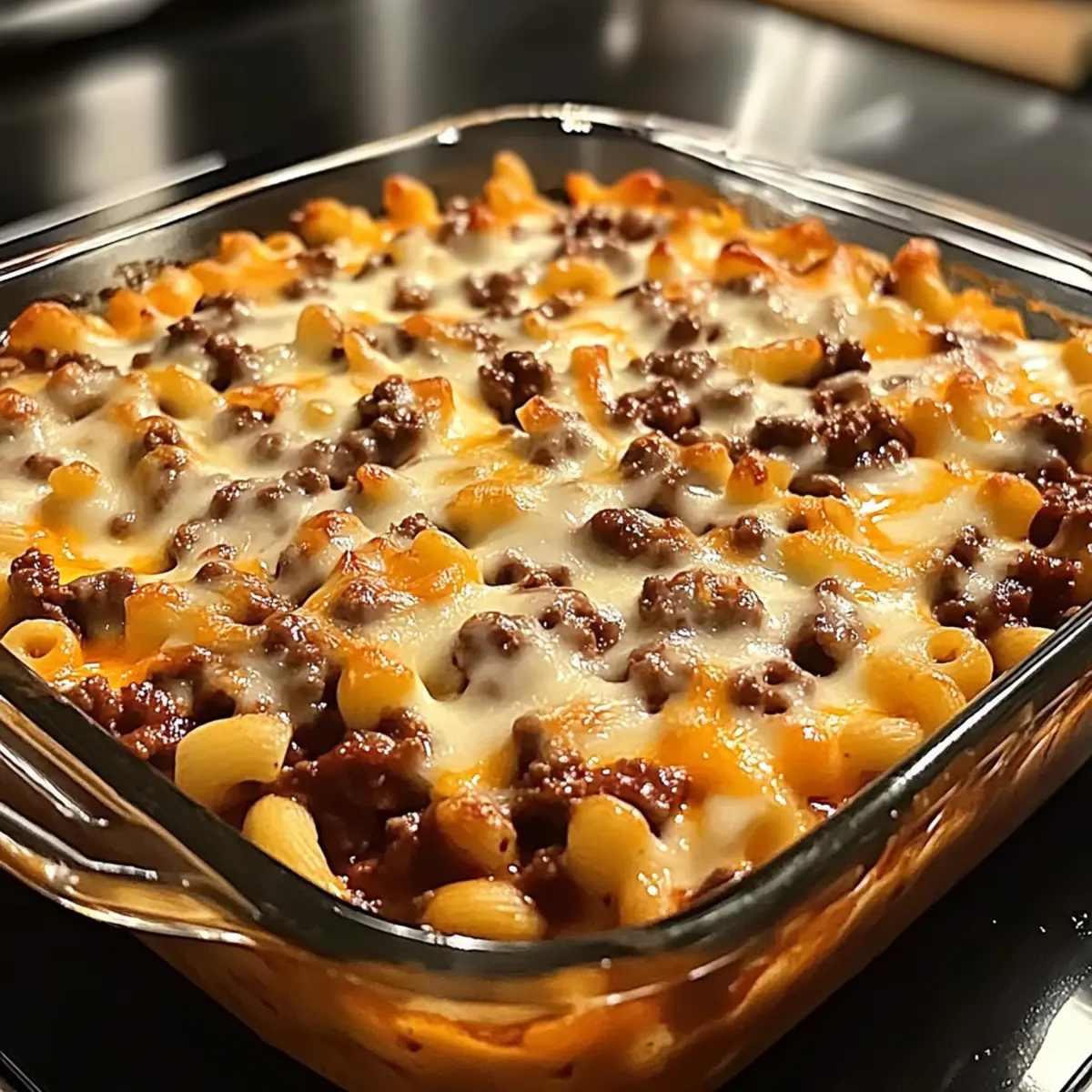
You know that delightful moment when comfort food hits just right? Well, let me introduce you to my High-Protein Mac and Cheese, a dish that brilliantly combines indulgence with nutrition. This creamy, decadent take on a classic is made with high-protein pasta and a luscious cottage cheese sauce, elevating your usual mac and cheese experience. In just 30 minutes, you can whip up a meal that’s not only quick to prepare but also easily adaptable—feel free to toss in some veggies or opt for gluten-free pasta if that’s your jam. Whether you’re craving a warm hug from your kitchen or looking for a nutritious twist, this dish delivers on all fronts. Ready to uncover the secrets to mac and cheese bliss? Let’s dive in!
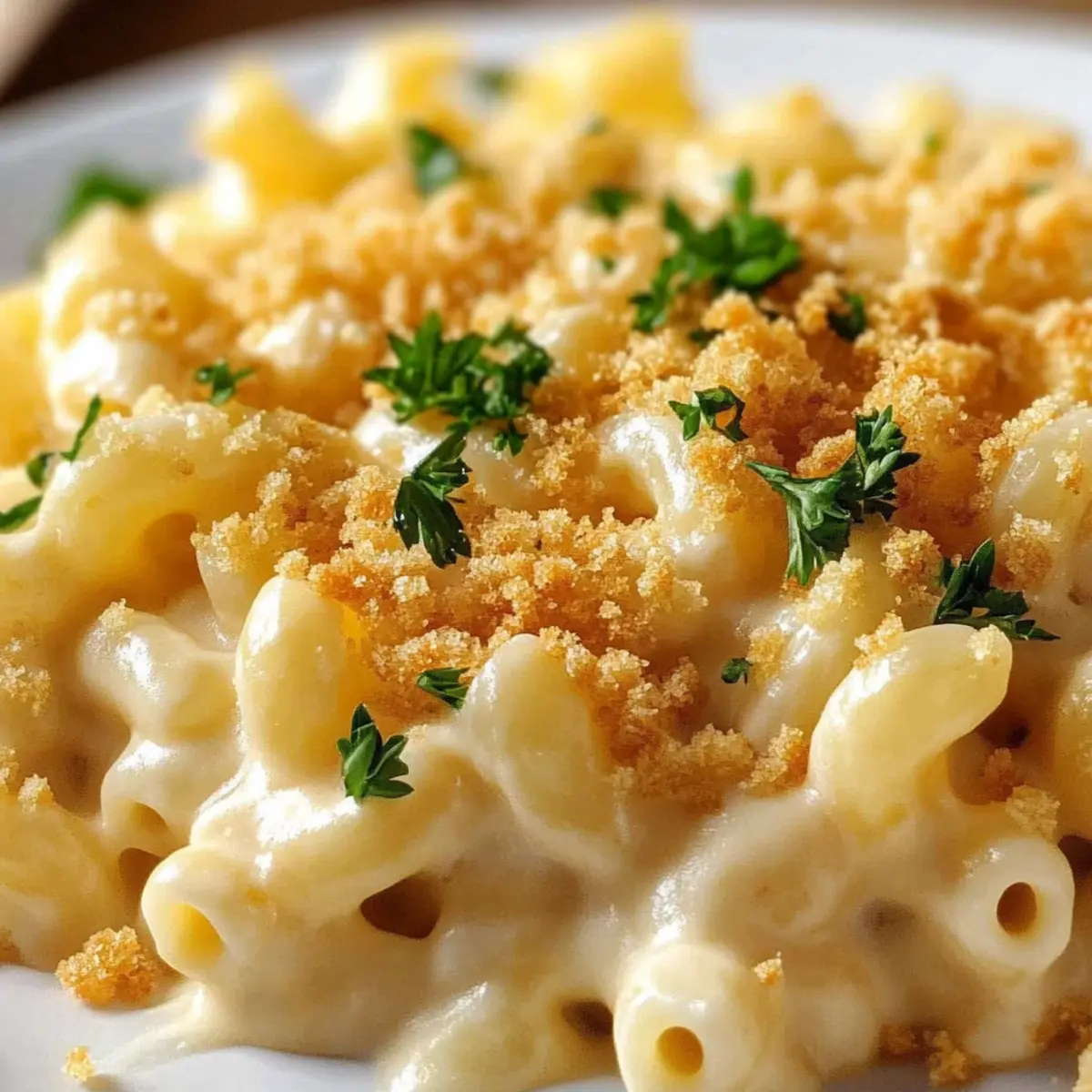
Why is High-Protein Mac and Cheese a Must-Try?
Creamy Indulgence: This recipe transforms traditional mac and cheese into a guilt-free delight without compromising on flavor or texture.
Quick and Easy: Whip it up in just 30 minutes—perfect for busy weeknights or lazy weekends.
Customizable: Whether you prefer gluten-free options or want to sneak in some veggies, this dish adapts to whatever you have on hand.
Nutrient-Packed: With high-protein pasta and cottage cheese, it offers a satisfying protein boost that’s great for active lifestyles.
Crowd-Pleaser: Serve it as a side dish or a main course, and watch everyone come back for seconds!
For more innovative twists on comfort food, check out my Cottage Cheese Flatbread or try some delicious Cottage Cheese Chips.
High-Protein Mac Cheese Ingredients
Uncover the delightful components of this creamy, nutritious dish!
For the Pasta
- High-Protein Pasta – A robust, nutritious base that aligns perfectly with the creamy sauce; consider swapping with chickpea or lentil pasta for variety.
For the Sauce
- Low-Fat Cottage Cheese – The heart of the sauce, providing creaminess with a light touch; no substitutes recommended due to its unique texture.
- Low-Fat Milk – Ensures the sauce reaches the perfect consistency; feel free to use dairy-free or unsweetened plant-based milk if preferred.
- Sharp Cheddar Cheese – Offers a rich, sharp flavor profile; alternatives include Gruyère or Monterey Jack for a different taste experience.
- Parmesan Cheese – Adds a distinctive umami kick; its unique flavor isn’t easily substituted, making it a must-have.
- Nutritional Yeast (optional) – A cheesy flavor enhancer; omit if unavailable, but it boosts taste and nutrition significantly.
- Cornstarch or Arrowroot Powder – Functions as a thickening agent for a creamy consistency; no substitutes suggested for effectiveness.
- Dijon Mustard – Introduces a tangy flavor; swap with yellow mustard or a hint of prepared horseradish if desired.
- Garlic Powder – Elevates overall flavor; alternatively, fresh garlic can bring a more robust taste.
- Onion Powder – Adds depth to the sauce; finely chopped onions or shallots work as replacements if needed.
- Ground Black Pepper & Salt – Essential seasonings; adjust according to your personal taste preferences.
For the Topping
- Whole Wheat Breadcrumbs – Provides a delightful crunch on top; use gluten-free breadcrumbs to make this dish accessible for everyone.
- Fresh Parsley – A touch of freshness as a garnish; it’s optional but greatly enhances presentation.
Get ready to savor a delightful twist on a classic dish with these high-protein mac cheese ingredients!
Step‑by‑Step Instructions for High-Protein Mac Cheese
Step 1: Cook the Pasta
Begin by bringing a large pot of salted water to a rolling boil. Add your high-protein pasta and cook according to the package instructions until al dente, usually around 7-10 minutes. Once done, drain the pasta in a colander, reserving about ½ cup of the starchy cooking water for later use.
Step 2: Prepare the Sauce
In a high-speed blender, combine the low-fat cottage cheese, low-fat milk, sharp cheddar cheese, Parmesan cheese, nutritional yeast (if using), cornstarch, Dijon mustard, garlic powder, onion powder, black pepper, and salt. Blend on high for 1-2 minutes until the mixture is completely smooth and creamy, resembling a velvety sauce that will coat the pasta beautifully.
Step 3: Heat the Sauce
Pour the blended sauce into a medium saucepan and set it over medium-low heat. Whisk the sauce constantly for about 3-5 minutes, allowing it to thicken and bubble gently. If the sauce becomes too thick, stir in the reserved pasta water a little at a time until you reach your desired consistency.
Step 4: Combine Pasta and Sauce
Add the drained high-protein pasta directly into the saucepan with the sauce. Stir well to ensure every piece of pasta is coated in the creamy goodness. Continue to heat the mixture for an additional 1-2 minutes, allowing the flavors to meld and the dish to warm through.
Step 5: Optional Crunchy Topping
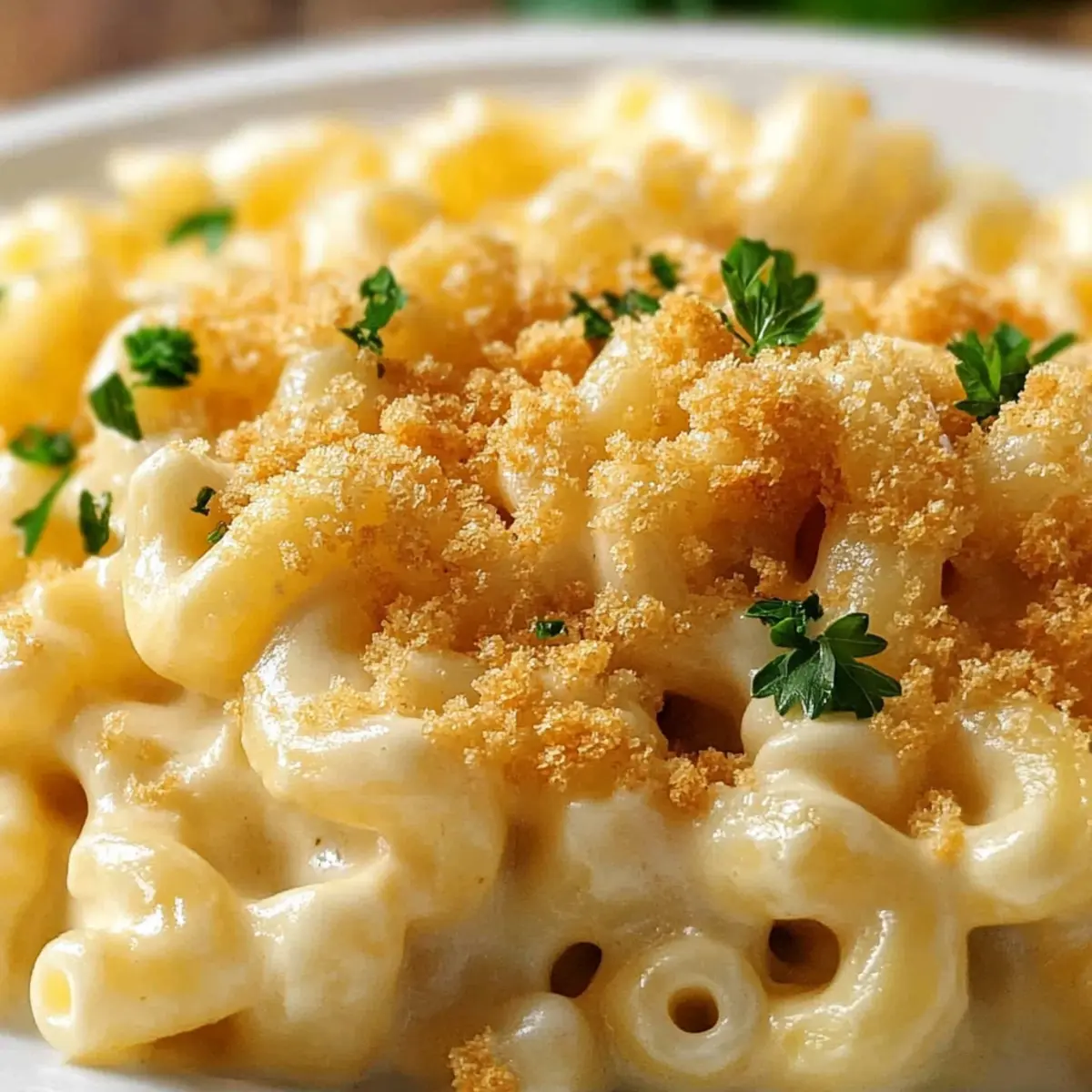
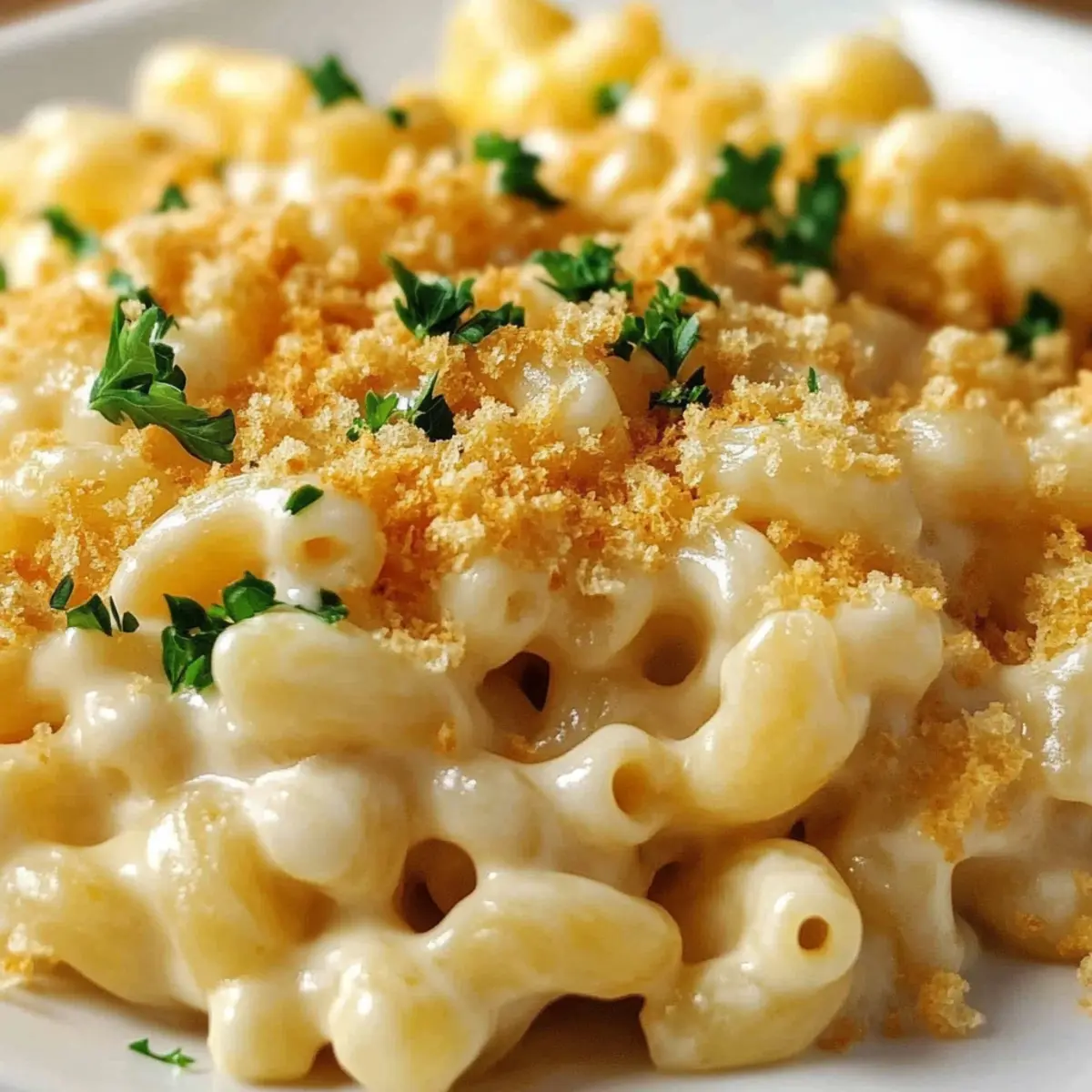
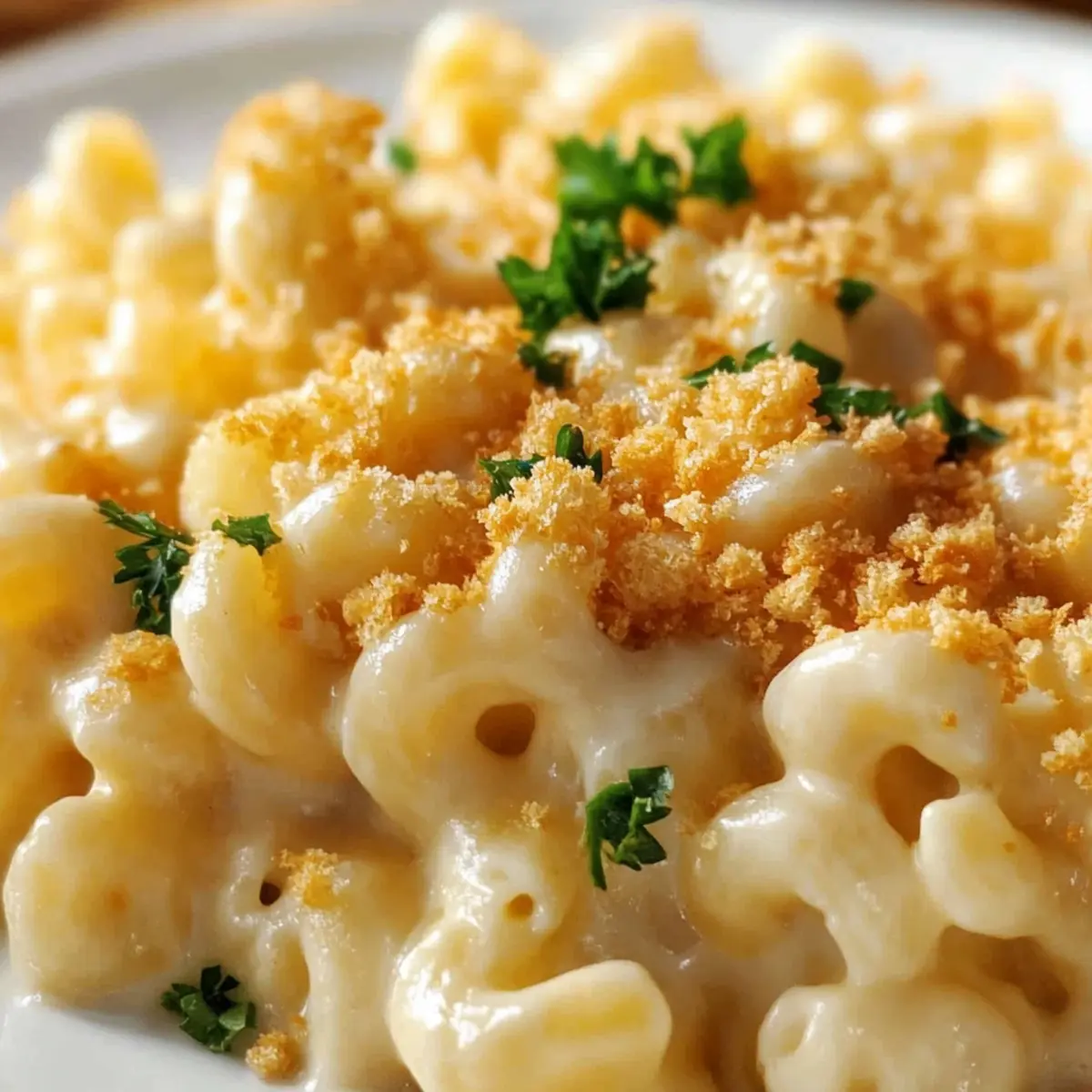
For an extra layer of texture, transfer the mac and cheese to a greased baking dish. Sprinkle a generous layer of whole wheat breadcrumbs on top, then place it under the broiler in your oven. Broil for 2-3 minutes, keeping a close watch until the breadcrumbs are golden brown and crispy, enhancing the overall dish.
Step 6: Serve
Once broiling is complete, remove the dish from the oven and let it cool slightly. Garnish with freshly chopped parsley for a pop of color and flavor. Serve your delicious High-Protein Mac Cheese warm, allowing everyone to indulge in its creamy and comforting allure right away.
Make Ahead Options
These High-Protein Mac and Cheese are perfect for meal prep enthusiasts! You can prepare the sauce up to 24 hours in advance; simply blend all the sauce ingredients and transfer to an airtight container. Store it in the refrigerator until you’re ready to combine. Additionally, you can cook the high-protein pasta, drain it, and toss it with a splash of olive oil to prevent sticking—this will keep for up to 3 days. When you’re ready to serve, just reheat the sauce gently in a saucepan, add your pasta, and stir for a few minutes until hot. This way, you’ll enjoy a creamy, delicious dish that saves you precious time on busy weeknights!
High-Protein Mac Cheese Variations to Try
Feel free to explore these fun twists and substitutions that will elevate your High-Protein Mac and Cheese to new heights!
-
Gluten-Free: Switch to gluten-free high-protein pasta to cater to a gluten-sensitive crowd without losing flavor or texture.
With so many pasta options available today, you can enjoy this dish without any guilt. -
Veggie Boost: Incorporate steamed vegetables like spinach, broccoli, or peas to amp up the nutrition.
You’ll add color and crunch, transforming this creamy dish into a powerhouse of nutrients that both kids and adults will love. -
Cheese Blend: Try a mix of cheeses such as Gruyère or gouda instead of sharp cheddar for a unique flavor profile.
Experimenting with different cheeses creates an exciting taste adventure every time you make this dish. -
Herby Delight: Add fresh herbs like basil or thyme to the sauce for a fragrant twist.
These aromatic additions will enhance the overall depth of flavor and create a delightful aroma in your kitchen. -
Creamy Spin: Swap in cream cheese for part of the cottage cheese for an ultra-creamy indulgence.
Just think about that velvety texture and how it elevates the comfort level of your mac and cheese experience! -
Nutty Crunch: Top with crushed nuts like almonds or walnuts instead of breadcrumbs for a nutritious crunch.
These add a delightful contrast to the creaminess, making each bite a delightful surprise.
For even more creative ways to enjoy cottage cheese, don’t miss my delicious Cottage Cheese Flatbread or crunchy Cottage Cheese Chips.
Expert Tips for High-Protein Mac and Cheese
-
Blend Well: Ensure all ingredients are blended thoroughly to achieve that smooth and creamy texture you desire for your high-protein mac and cheese.
-
Watch the Broil: When broiling for that deliciously crispy topping, keep a close eye on it—it’s easy for breadcrumbs to burn quickly!
-
Add Nutrients: For a nutritional boost, consider mixing in some cooked proteins like shredded chicken or veggies such as steamed broccoli.
-
Cheese Variety: Experiment with different types of cheese to customize the flavors. Gouda or fontina can offer a delightful twist to your high-protein mac and cheese.
-
Reserve Water: Don’t forget to reserve pasta cooking water! It’s a great way to adjust sauce consistency if it gets too thick once heated.
-
Season to Taste: Always taste your sauce before combining with the pasta. Adjust salt and pepper according to your preference to make your dish truly shine.
How to Store and Freeze High-Protein Mac and Cheese
Fridge: Store leftovers in an airtight container for up to 3 days. Make sure the mac and cheese is completely cooled before sealing to retain freshness.
Freezer: You can freeze your high-protein mac and cheese for up to 2 months. Portion it into freezer-safe containers or bags, leaving some space for expansion.
Reheating: When ready to enjoy, thaw overnight in the fridge. Reheat gently on the stovetop or in the microwave, adding a splash of milk to restore creaminess.
To Serve Fresh Again: If baking, sprinkle with extra breadcrumbs before broiling for a delightful crunch.
What to Serve with High-Protein Mac and Cheese?
Elevate your dining experience by pairing this creamy, indulgent dish with delightful sides and sips that bring out its best flavors.
-
Garden Salad: A crisp, refreshing salad adds a vibrant contrast to the rich mac and cheese, making each bite feel balanced.
-
Garlic Bread: Warm, buttery slices of garlic bread provide a satisfying crunch, perfect for scooping up any leftover cheesy goodness.
-
Steamed Broccoli: The bright green florets not only add nutrition but also a lovely crunch that complements the creamy texture of the mac and cheese.
-
Roasted Vegetables: Seasonal veggies like Brussels sprouts or bell peppers offer a hearty, caramelized sweetness that pairs beautifully with the savory dish.
-
Quinoa Salad: Quinoa’s nutty flavor and chewy texture work well alongside the mac and cheese, creating a wholesome, protein-packed meal.
-
Crispy Baked Tofu: For an extra protein boost, marinated and baked tofu adds a delightful chewiness and absorbs flavors from the mac and cheese beautifully.
-
Chardonnay or White Wine: A chilled glass of Chardonnay enhances the dish’s creamy profile, providing a sophisticated touch to your meal.
-
Chocolate Cookies: End on a sweet note with chewy chocolate cookies, their richness balancing the savory flavors of the mac and cheese for a satisfying finish.
High-Protein Mac and Cheese Recipe FAQs
How do I choose the right high-protein pasta?
Absolutely! Look for pasta brands that are specifically labeled as “high-protein.” These often include options made from chickpeas, lentils, or quinoa. When selecting, check for a firm texture and a good protein content, ideally above 20 grams per serving. For a fun twist, try a mix that incorporates whole grains for added fiber!
How long can I store leftover High-Protein Mac and Cheese?
You can store your creamy creation in an airtight container in the fridge for up to 3 days. Make sure it’s completely cooled before sealing—this helps maintain that delicious creaminess and prevents spoilage. Reheat gently on the stovetop or in the microwave, adding a splash of milk to restore moisture!
Can I freeze High-Protein Mac and Cheese?
Absolutely! Your High-Protein Mac and Cheese can be frozen for up to 2 months. To do this, portion it into freezer-safe containers or bags—leave a little space for expansion. For the best results, thaw it overnight in the fridge before reheating. When you’re ready to dig in, reheat it gently, adding a splash of milk for that creamy texture again.
What if my sauce is too thick or thin?
Great question! If your sauce turns out too thick, simply stir in a bit of the reserved pasta cooking water until you reach your desired consistency. Conversely, if it’s too thin, return it to the stovetop and let it simmer on low heat, whisking constantly until it thickens up. Remember, adjusting the sauce is a normal part of the cooking process—don’t be hesitant to make it fit your preference!
Are there any dietary considerations I should be aware of?
Yes, if you or someone you’re serving has dietary restrictions, keep in mind that gluten-free pasta options are available for those with gluten sensitivities. Additionally, the cheese components include dairy, so if anyone has a dairy allergy, consider using plant-based cheese alternatives. Always double-check the labels for all ingredients, especially if you’re making this for pets or individuals with allergies.
Can I add vegetables or proteins to my High-Protein Mac and Cheese?
The more the merrier! Feel free to boost nutrition by mixing in steamed vegetables like broccoli, peas, or spinach. If you want to include protein, adding shredded chicken, cooked quinoa, or even crumbled tofu complements this dish beautifully. Just remember to adjust cooking times accordingly if your additions require any specialized preparation!
High-Protein Mac Cheese: Creamy Comfort for Guilt-Free Indulgence
Ingredients
Equipment
Method
- Bring a large pot of salted water to a rolling boil. Add your high-protein pasta and cook according to the package instructions until al dente, usually around 7-10 minutes. Once done, drain the pasta in a colander, reserving about ½ cup of the starchy cooking water.
- In a high-speed blender, combine low-fat cottage cheese, low-fat milk, sharp cheddar cheese, Parmesan cheese, nutritional yeast (if using), cornstarch, Dijon mustard, garlic powder, onion powder, black pepper, and salt. Blend on high for 1-2 minutes until smooth and creamy.
- Pour the blended sauce into a medium saucepan and set it over medium-low heat. Whisk constantly for 3-5 minutes until it thickens and bubbles gently. Stir in reserved pasta water slowly until reaching desired consistency.
- Add drained pasta to the sauce in the saucepan. Stir well to coat every piece in the sauce. Continue to heat for an additional 1-2 minutes.
- Transfer to a greased baking dish. Sprinkle with breadcrumbs and place under the broiler for 2-3 minutes until golden brown and crispy.
- Remove from oven, let cool slightly, and garnish with freshly chopped parsley. Serve warm.