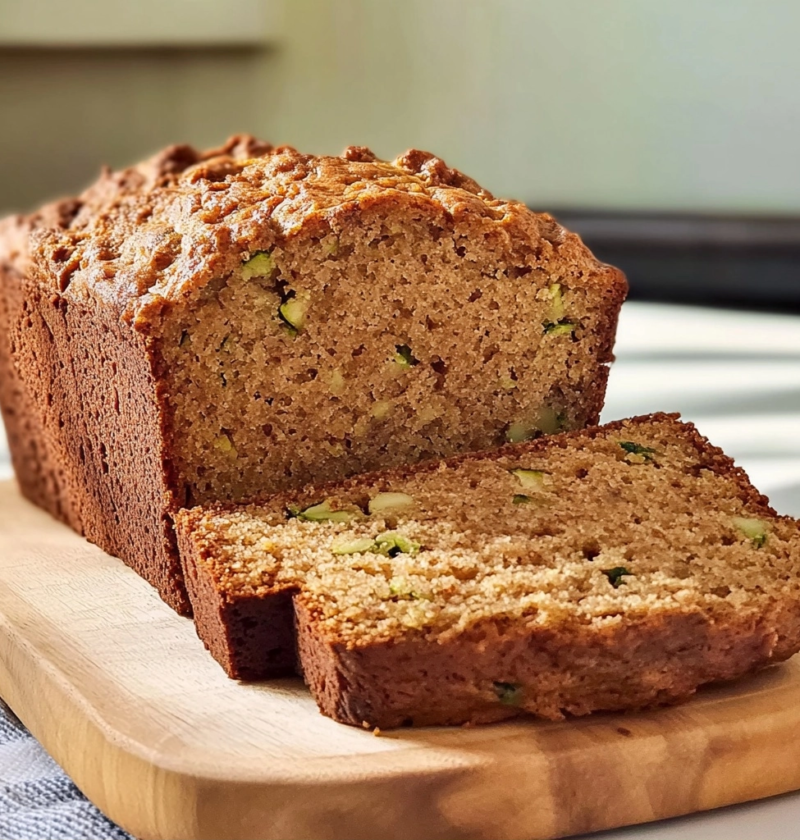
This moist and spiced zucchini bread recipe delivers a comforting flavor with a tender, cake-like crumb that holds together perfectly without becoming dense. Whether you are using a garden bounty or simply looking for a wholesome homemade treat, this approach ensures a sweet aroma fills your kitchen while the loaf bakes to golden perfection. The combination of warm spices and crunchy walnuts adds depth and texture to every bite, making it an ideal choice for breakfast, an afternoon snack, or a light dessert alongside a hot beverage.
| Detail | Information |
|---|---|
| Prep Time | 15 minutes |
| Cook Time | 50 minutes |
| Total Time | 1 hour 5 minutes |
| Servings | 16 slices |
| Difficulty | Easy |
| Cuisine | American |
| Category | Breakfast & Brunch |
| Method | Standard Baking |
Why This Recipe Works
This specific zucchini bread formulation balances moisture and density through a careful ratio of wet and dry ingredients. The baking soda and acid combination in the leavening agents creates the necessary rise, while the eggs provide structure and the oil ensures the loaf stays incredibly moist without becoming greasy. Using fresh, small to medium zucchini helps maintain a tender crumb, and the inclusion of cinnamon and nutmeg enhances the natural sweetness of the fruit rather than relying solely on added sugar. The walnuts contribute a pleasant crunch and healthy fats that complement the soft, sweet bread texture, creating a multi-dimensional eating experience.
One of the reasons this recipe remains reliable is the method of combining the wet and dry ingredients. Mixing the eggs, sugar, oil, and vanilla first creates a homogenous base that integrates the leavening agents evenly throughout the batter. When the dry flour mixture is added gradually, it develops a gluten network that is strong enough to hold the air pockets but not so tight that it makes the bread tough. The shredded zucchini disperses evenly because the moisture content is already managed in the wet stage, preventing a soggy bottom. This technique guarantees a consistent bake from the center to the crust for every loaf you make.
Furthermore, the baking temperature of 325°F allows the bread to cook gently without burning the sugars on the surface. This low-and-slow approach ensures the center is fully cooked through while the crust develops a golden hue and a subtle crunch. By not opening the oven door frequently during the baking process, you preserve the heat within the oven, which is crucial for achieving the correct texture. The result is a loaf that offers a comforting balance of sweetness and spice, suitable for any time of day. If you enjoy swapping textures in your baking, you might also find similar joy in our Classic Pecan Wheat Bread, which shares a similar baking philosophy.
Chef Tips for Perfect Results
You can guarantee the best texture and flavor by paying close attention to your ingredient preparation and mixing techniques. Following these professional guidelines will help you avoid common pitfalls and achieve a bakery-quality loaf every single time you bake.
- Grate the zucchini finely: Use the small holes on your box grater to shred the zucchini. This increases the surface area for moisture distribution, ensuring the bread stays moist while the zucchini disappears into the texture. Larger chunks can become rubbery in the oven.
- Don’t squeeze the zucchini dry: While it might seem tempting to remove excess moisture, the liquid is essential for the batter’s consistency. Removing all the water will result in a dry, crumbly loaf. Just pat the shreds gently with a paper towel if they are dripping heavily.
- Sift the dry ingredients: Whisking the flour, salt, baking powder, baking soda, and cinnamon together before adding them to the wet mixture helps incorporate air. This aerates the batter, which contributes to a lighter rise and a finer crumb structure.
- Check for doneness early: Because ovens vary, start checking for doneness at the 40-minute mark. Insert a wooden toothpick into the center of the loaf; if it comes out clean or with only a few moist crumbs, the bread is done. Overbaking is the most common cause of dry bread.
- Cool completely before slicing: Allow the loaf to rest in the pan for at least 20 minutes to set the structure. Inverting it onto a wire rack and letting it cool fully for another hour prevents the bread from breaking apart when you cut it. Warm bread is more prone to crumbling.
- Mix until just combined: Once the dry ingredients are added to the wet mixture, mix by hand or with a low-speed mixer only until no streaks of dry flour remain. Overmixing develops gluten, which can make the zucchini bread chewy rather than tender. This recipe works beautifully alongside our Banana Bread with Walnuts, which shares the same gentle mixing philosophy.
Common Mistakes to Avoid
Achieving the perfect loaf requires avoiding specific errors that often result in dense, dry, or unevenly cooked bread. Understanding these mistakes helps you adjust your technique for consistent success in the kitchen.
| Mistake | Why It Happens | How to Fix It |
|---|---|---|
| Using overripe or extremely large zucchini | Large zucchini can have a high water content, and very ripe squash can be mushy, diluting the batter and causing it to collapse. | Select medium-sized zucchini with firm skin. Avoid those that are shriveled or hollow. |
| Opening the oven door too frequently | A sudden drop in temperature can cause the loaf to fall or prevents it from rising properly. | Resist the urge to peek until the minimum baking time has passed. Use the oven light to check color. |
| Mixing the batter on high speed | High speed introduces too much air and develops gluten too quickly, leading to a tough texture instead of a tender crumb. | Stir the dry ingredients into the wet mixture by hand or use a low-speed setting on your mixer. |
| Skipping the cooling step | Removing the bread from the pan while it is still hot causes it to stick or tear apart as the structure sets. | Run a knife around the edges while the loaf is still warm, invert it carefully, and let it cool completely on a rack. |
| Using too much flour | Because zucchini releases water, it can absorb flour from the batter. Using extra flour as a result of measuring wet ingredients incorrectly leads to dry bread. | Measure flour by weight for accuracy, or spoon it gently into the cup and level it off with a knife rather than scooping. |
| Overbaking the loaf | Leaving the bread in the oven past the visual cues of doneness dries out the moisture, making it unappetizing. | Check for doneness at the 40-minute mark and remove immediately once a toothpick tests clean. Extend by just a few minutes if necessary. |
| Neglecting to grease the pans well | Zucchini bread is dense and can adhere to the sides of the pan, making it difficult to remove intact. | Use softened butter or vegetable shortening and dust with flour, or use a non-stick spray with flour coating. |
Variations and Substitutions
You can customize this zucchini bread to suit dietary preferences or flavor profiles while maintaining the structural integrity of the recipe. Small adjustments to ingredients can transform the dish into something entirely new without requiring a complex overhaul of the method.
| Ingredient or Element | Substitution or Variation | Impact on Flavor or Texture |
|---|---|---|
| Nut varieties | Swap walnuts for pecans, almonds, or pistachios | Pecans add a buttery, earthy flavor, while almonds provide a mild crunch. The texture remains similar but the taste profile shifts. |
| Oil type | Substitute vegetable oil with melted coconut oil or avocado oil | Coconut oil imparts a subtle tropical note, whereas avocado oil provides a neutral flavor and higher smoke point during baking. |
| Spice blend | Add ground ginger, cloves, or cardamom with the cinnamon | These warming spices elevate the autumn flavor profile, making the bread taste more complex and holiday-inspired. |
| Dry mix-ins | Stir in chocolate chips, raisins, or dried cranberries | Chocolate adds a rich sweetness that pairs well with the savory notes of cinnamon. Raisins and cranberries provide a chewy contrast to the soft bread. |
| Fat source | Replace oil with Greek yogurt or applesauce | Using yogurt keeps the loaf moist and adds a slight tang. Applesauce reduces the fat content significantly while maintaining moisture. |
| Sweetener | Swap half of the white sugar with brown sugar | Brown sugar adds molasses flavor and a darker color. It also tends to keep baked goods moister than white sugar. |
| Wet mix-ins | Grate carrots instead of zucchini | Carrots provide a similar moisture content and texture. The addition of carrot introduces an orange color and a slightly different subtle sweetness. |
Experimenting with these variations allows you to adapt the recipe to suit specific occasions. For instance, adding ginger and cranberries is perfect for autumn mornings. If you prefer a lighter touch, using Greek yogurt and almond flour in part of the flour can reduce the calorie count while maintaining structure. Many bakers find that a simple Oatmeal Raisin Cookie Bar recipe benefits from similar ingredient swaps, demonstrating the versatility of these base baking techniques.
Serving Suggestions and Pairings
While delicious on its own, this zucchini bread can be elevated with simple additions and creative pairings that transform a snack into a memorable meal experience. The right accompaniments highlight the spices and crunch of the nuts while complementing the sweetness.
- Slice the bread thick and top each serving with a pat of butter to let it melt slightly over the warm crumb.
- Spread a thin layer of cream cheese or lemon curd on a toasted slice for a tangy contrast to the cinnamon sugar.
- Pair the loaf with a hot cup of black coffee, tea, or oat milk latte to cut through the sweetness.
- Make a sandwich by layering slices with turkey breast, mustard, and lettuce for a surprisingly satisfying light lunch.
- Toast a few slices and serve alongside a bowl of soup, such as tomato basil or chicken noodle, for a hearty meal.
- Enjoy a slice with a dollop of ricotta cheese and a drizzle of honey for a quick breakfast or brunch item.
- Crumble the bread over yogurt or oatmeal for added texture and sweetness to your morning routine.
- Pair with a side of fresh fruit salad, such as strawberries and blueberries, to add brightness to the rich flavors.
For a complete morning meal, try serving this zucchini bread alongside a bowl of steel-cut oats topped with bananas and walnuts. The nuttiness of the bread mirrors the topping, creating a cohesive and satisfying start to the day. If you prefer a sweet ending to a dinner, a square of this dense bread alongside a scoop of vanilla ice cream offers a warm, comforting dessert that requires no additional effort.
Make Ahead Options
You can certainly prepare aspects of this zucchini bread in advance to save time on busy days without sacrificing quality or flavor. The recipe is remarkably forgiving, allowing for storage and reheating methods that preserve the moist texture.
You can prepare the batter a day in advance and refrigerate it overnight. This resting period allows the flour to hydrate fully and the leavening agents to activate, potentially resulting in a more flavorful loaf. Simply remove the chilled batter from the refrigerator about 30 minutes before baking to bring it to room temperature. This method helps the batter rise evenly and prevents the center from cooking faster than the edges. If you are not ready to bake immediately, the batter can also be frozen for up to two months. Scoop the batter into a container and freeze, then thaw in the refrigerator overnight before baking.
Baking the loaves a day or two ahead is also a fantastic strategy. The flavors tend to meld and deepen slightly as the bread cools and sits, making it taste even better. Once cooled completely, wrap the loaves tightly in plastic wrap or foil to lock in moisture. The bread will remain fresh on the counter for two days, but for longer storage, transferring it to the refrigerator is recommended. Many bakers who love quick breads find that our guide on Freezing Quick Breads offers excellent tips on how to freeze slices individually for grab-and-go convenience.
Storage and Reheating
Proper storage is essential to keep your zucchini bread fresh and preserve its moisture content. Depending on how soon you plan to consume it, you can choose between refrigeration or freezing to extend the shelf life of your homemade loaf.
| Method | Duration | Instructions |
|---|---|---|
| Room Temperature | 2 days | Keep the loaf in an airtight container or wrapped tightly in plastic wrap at room temperature. Place it in a cool, dry area away from direct sunlight. |
| Refrigerator | 5 to 7 days | Store the bread in the refrigerator to prevent mold growth. Wrap it in plastic wrap or aluminum foil, or place it in an airtight container to keep it from absorbing other odors. |
| Freezer | 3 months | Wrap individual slices or the whole loaf in plastic wrap and then place them in a heavy-duty freezer bag. This double-wrapping technique prevents freezer burn and ice crystal formation. |
| Reheating | 5 to 10 minutes | For the best results, reheat slices in a toaster at medium-low heat. You can also microwave a slice for 10 to 15 seconds on high power, though this may soften the crust slightly. |
| Make Ahead | 24 hours | Prepare the batter the night before and refrigerate. Bring to room temperature for 30 minutes before baking to ensure even rising and baking. |
When reheating from the refrigerator or freezer, ensure the bread is heated all the way through. Toasting is generally preferred as it revives the crisp exterior while warming the soft interior. If you plan to serve the bread at a brunch or party, consider keeping a few slices frozen specifically for that purpose so you can enjoy it fresh with minimal effort.
Nutritional Information
Approximate values are based on one serving and may vary depending on exact ingredients and portion size.
| Nutrient | Amount per Serving |
|---|---|
| Calories | 260 kcal |
| Protein | 4 g |
| Fat | 14 g |
| Saturated Fat | 2 g |
| Carbohydrates | 32 g |
| Fiber | 2 g |
| Sugar | 20 g |
| Sodium | 240 mg |
Note that these nutritional figures are approximate. The presence of nuts significantly increases the healthy fat content, which contributes to satiety. Zucchini is also a good source of vitamins and minerals, adding nutritional value to the overall dish without adding significant calories. For more detailed food safety guidelines, you can refer to resources like the FDA’s Food Safety website for proper storage and handling practices.
Frequently Asked Questions
Can I use coconut oil instead of vegetable oil?
Yes, you can substitute coconut oil for vegetable oil. Because the recipe calls for melted oil, you should use melted coconut oil. Note that coconut oil will impart a mild coconut flavor and may make the bread slightly darker in color due to its natural composition.
How do I know when the zucchini bread is done baking?
The best way to determine doneness is to insert a wooden toothpick into the center of the loaf. If it comes out clean, or with only a few moist crumbs clinging to it, the bread is finished. If wet batter comes out, continue baking in 5-minute increments until it passes the test.
Why is my zucchini bread gummy in the middle?
A gummy center usually results from underbaking or mixing the batter too thoroughly. Ensure the oven temperature is accurate, and do not overmix the dry ingredients into the wet mixture to avoid developing too much gluten.
Can I freeze zucchini bread?
Absolutely. Zucchini bread freezes very well. You can freeze the whole loaf wrapped tightly in plastic and foil, or slice it individually and freeze in a Ziploc bag. Thaw slices in the refrigerator overnight before reheating.
What is the best way to store leftover zucchini bread?
Store leftover zucchini bread in an airtight container at room temperature for up to two days. If you want it to last longer, keep it in the refrigerator for up to a week. Freezing is the best option for keeping it for a month or more.
Can I make this recipe dairy-free?
This recipe is naturally dairy-free because it uses oil instead of butter. You can enjoy it without any substitutions, making it suitable for those with lactose intolerance or vegan diets, provided you ensure the vanilla extract is also vegan.
Conclusion
This zucchini bread recipe offers a foolproof way to use up garden bounty while enjoying a delicious, comforting treat. With its moist texture, perfect sweetness, and nutty crunch, it stands out as a versatile addition to any home baker’s repertoire. By following the tips and guidelines provided, you can easily achieve bakery-quality results in your own kitchen, ensuring every loaf is fresh, flavorful, and perfect for sharing.
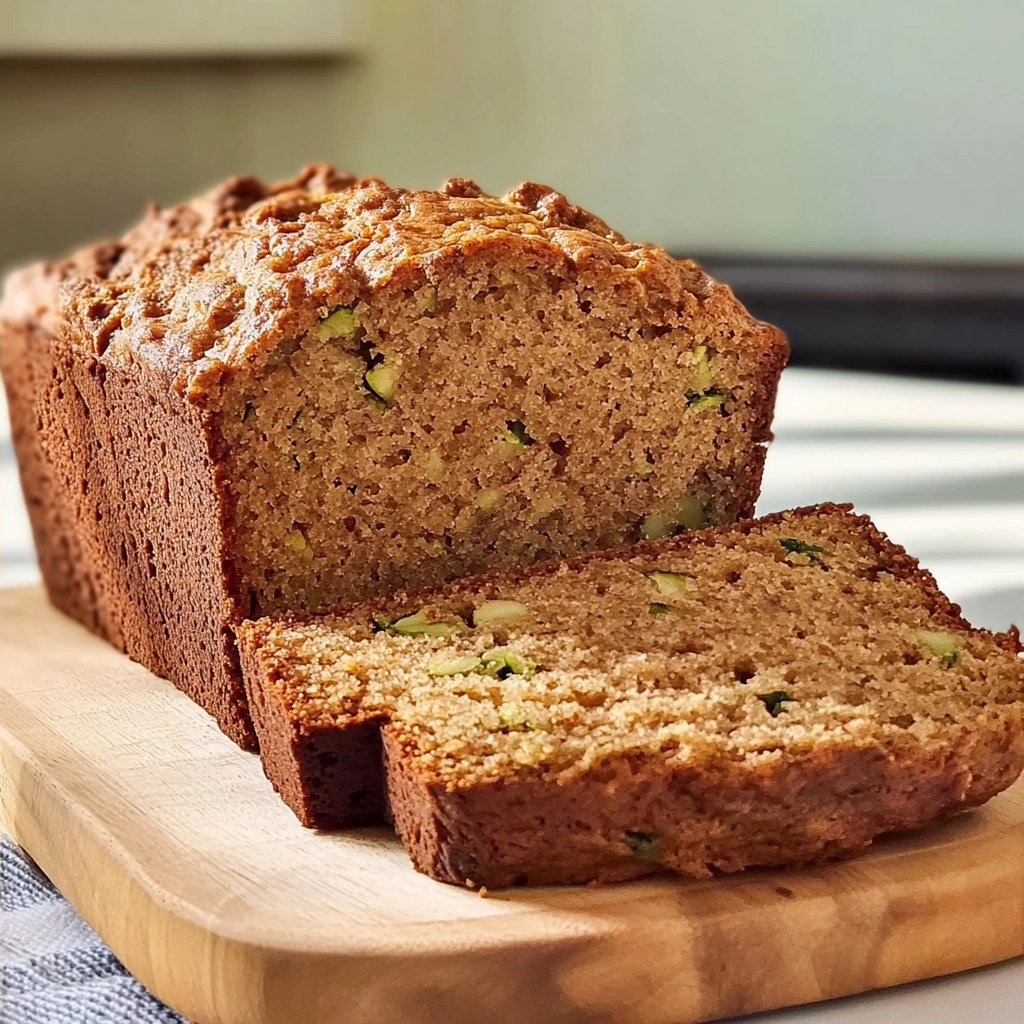
Easy Zucchini Bread Recipe for Weekend Baking
Ingredients
Method
- Preheat oven to 325°F (170°C) and grease a 9x5-inch loaf pan
- In a bowl, whisk together flour, baking powder, baking soda, salt, cinnamon, and nutmeg
- In a separate bowl, beat eggs until frothy, then add sugar, oil, and vanilla; mix thoroughly
- Gradually stir in the dry mixture to the wet mixture until just combined
- Fold in drained zucchini and chopped walnuts
- Pour batter into prepared loaf pan and smooth the top
- Bake for 50 minutes or until a toothpick inserted in the center comes out clean
- Let cool in the pan for 10 minutes before slicing and serving
Nutrition
Notes
Room-temperature eggs mix more smoothly into the batter
For dairy-free option, ensure vanilla extract is pure (not imitation)
Store in airtight container for up to 5 days or freeze individual slices