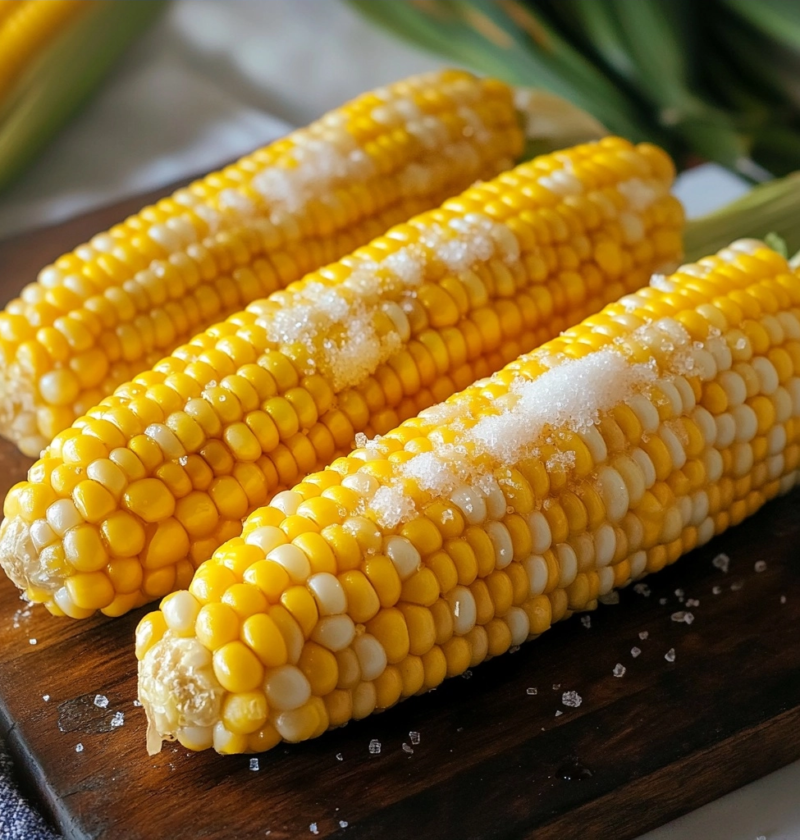
This classic side dish features tender ears of corn boiled to perfection with a hint of sweetness from white sugar and a brightness from fresh lemon juice. The result is sweet, juicy, and incredibly easy to prepare for family dinners and summer gatherings.
| Detail | Information |
|---|---|
| Prep Time | 10 minutes |
| Cook Time | 10 minutes |
| Total Time | 20 minutes |
| Servings | 6 ears |
| Difficulty | Easy |
| Cuisine | American |
| Category | Side Dishes |
| Method | Boiling |
Why This Recipe Works
This simple method consistently produces corn on the cob that is sweet, tender, and vibrant in color without becoming mushy. The secret lies in the chemistry of the ingredients and the specific timing of the cooking process. The acidity of the lemon juice helps break down the cornstarch in the kernels, yielding a softer texture than plain boiling would achieve. Simultaneously, the sugar dissolves during the boiling process to impart a subtle, golden sweetness that highlights the natural corn flavor. By turning off the heat immediately after adding the corn, you allow the water to act as a steamer, cooking the kernels gently rather than stripping away moisture through active boiling. This approach is efficient for home cooks who need a reliable side dish that comes together quickly while maximizing the natural sweetness and texture of the corn.
Chef Tips for Perfect Results
Follow these expert tips to ensure your corn on the cob always turns out tender and flavorful every time you make it.
- Remove husks and silk first: Boil the corn in its naked state to ensure the water can penetrate the huskless layers and the kernels cook evenly. Husked corn yields a creamier texture and absorbs the lemon and sugar flavor more effectively.
- Use precise water measurements: Fill the pot about three-quarters full so that the ears of corn are fully submerged. This prevents them from cooking unevenly due to fluctuating heat levels at the surface of the water.
- Monitor the heat carefully: Once the corn is in the pot, cover it immediately and turn off the burner. Do not return the heat to high, as active boiling can cause the corn to become tough and waterlogged.
- Don’t skip the sugar dissolution: Stir the water vigorously until the white sugar and lemon juice are completely dissolved before lowering the ears of corn. This ensures a consistent sweetness throughout the water and every kernel.
- Use the residual heat wisely: Allow the corn to sit in the hot, covered pot for the full 10 minutes. Leaving the corn too long in boiling water, even if the burner is off, can result in a mealy texture.
- Cool quickly before serving: While the corn boils, prepare a large bowl of ice water. Dipping the cooked ears immediately after draining stops the cooking process and preserves that perfect snap and tenderness.
Common Mistakes to Avoid
Avoiding these common errors will help you achieve the perfect consistency and flavor for your corn on the cob every single time.
| Mistake | Why It Happens | How to Fix It |
|---|---|---|
| Adding salt to the boiling water | Salt draws moisture out of the kernels during cooking, leading to a tough and dry texture. | Season the cooked corn only with salted butter or simple seasonings after it has finished boiling. |
| Boiling with the lid off | Without a lid, the steam escapes rapidly, which drastically increases the boiling time needed to tenderize the kernels. | Always cover the pot with a tight-fitting lid to trap heat and accelerate the cooking process. |
| Leaving the husks on | The husk acts as an insulator, preventing the hot water from reaching the kernels and resulting in uneven cooking. | Remove the husks and silk completely before placing the corn in the water. |
| Boiling over high heat | Excessive bubbling can splash water out and cook the corn unevenly, damaging the delicate sugars in the liquid. | Bring the water to a boil, then remove from heat once the corn is submerged and covered. |
| Forgetting the lemon juice | Without the acidic element, the corn may taste bland and the texture can remain slightly crunchy or chalky. | Stir one tablespoon of fresh lemon juice into the boiling water to enhance tenderness and brightness. |
| Peeing the corn too early | Peeling the husk before boiling can cause the kernels to dry out and lose their natural moisture. | Boil the corn in its husk and silk for a natural steam effect, then peel and clean it after boiling. |
Variations and Substitutions
Explore these creative variations to tailor the flavor profile of your corn on the cob to suit different occasions and taste preferences.
| Ingredient or Element | Substitution or Variation | Impact on Flavor or Texture |
|---|---|---|
| White sugar | Honey or maple syrup | These natural sweeteners add a richer, more complex caramel flavor that pairs exceptionally well with the corn. |
| White sugar | None (water only) | The corn will retain its natural sweetness but may lack the depth of flavor provided by the dissolved sweetener. |
| Lemon juice | Vinegar or lime juice | Vinegar provides a sharper tang, while lime juice offers a tropical zest that complements summer meals. |
| Boiling water | Milk or stock | Using milk results in a creamier, savory finish, adding a slight thickness to the cooking liquid. |
| Corn type | Frozen corn on the cob | Frozen corn often has a sweeter, more uniform taste but a firmer texture that requires slightly longer heating time. |
| Cooking method | Grilling instead of boiling | Grilling adds a smoky, charred flavor and a desirable textural crunch to the exterior of the kernels. |
| Butter | Vegetable oil or vegan butter | This change accommodates dietary restrictions while still providing a shiny coating and rich mouthfeel. |
Serving Suggestions and Pairings
Elevate your meal with these thoughtful serving ideas designed to complement the sweet and tender nature of boiled corn on the cob.
- A generous pat of salted butter melted over the hot corn to lock in moisture and enhance sweetness.
- A sprinkle of smoked paprika and garlic powder for a savory, kick of flavor.
- A drizzle of high-quality extra virgin olive oil with fresh chives for a light, elegant side.
- A dollop of tangy cotija cheese and cilantro to add a salty, fresh contrast.
- A squeeze of fresh lime juice over the buttered corn to cut through the richness.
- A sprinkle of chili powder and lime zest for a classic Mexican-inspired street corn style.
- Grilled chicken breasts marinated in lemon and herbs to match the light, bright profile of the corn.
- Roasted cherry tomatoes and a simple vinaigrette to add color and acidity to the plate.
For a complete barbecue meal, serve the corn alongside smoked ribs and coleslaw. The sweetness of the corn balances the rich, savory notes of the meat, while the cold creaminess of the slaw provides a refreshing counterpoint to the warm corn.
Make Ahead Options
You can prepare several components of this corn recipe in advance to streamline your cooking process on the day of your meal.
Cleaning and husking the ears of corn the night before is a great time-saver. Place the peeled ears in a bowl of cold water in the refrigerator to keep them fresh until you are ready to boil them. This also ensures that the corn has had time to hydrate, which can help maintain a crisper texture during the boiling process. If you have an oven, you can also par-cook the corn by boiling it for just five minutes, draining it, and then placing it directly on a grill or in the oven at 400°F until the exterior is charred and the interior is fully heated through. This method ensures the corn is perfectly tender without the risk of over-boiling it before serving.
Storage and Reheating
Proper storage and reheating techniques are essential to maintain the quality and safety of leftover corn on the cob.
| Method | Duration | Instructions |
|---|---|---|
| Room Temperature | 2 hours | Keep corn on the cob in a sealed container or wrapped tightly in aluminum foil. Do not leave it out at room temperature for longer than two hours to prevent bacterial growth. |
| Refrigerator | 3 to 5 days | Store boiled corn in an airtight container in the refrigerator. It is best to eat it within three to four days to ensure the best texture and flavor. |
| Freezer | 2 to 3 months | Blanch the corn in boiling water for three minutes, cool it quickly in ice water, and pat it dry. Wrap individual ears tightly in plastic wrap and then place them in a freezer-safe bag. |
| Reheating | 10 to 15 minutes | Place leftover corn in a pot of boiling water for about five to seven minutes, or microwave it in a covered dish with a splash of water for two to three minutes per ear. |
| Make Ahead | 24 hours | You can boil the corn and let it cool to room temperature before wrapping it tightly. Reheat it just before serving to restore the steam and texture. |
Nutritional Information
Approximate values are based on one serving and may vary depending on exact ingredients and portion size.
| Nutrient | Amount per Serving |
|---|---|
| Calories | 120 |
| Protein | 4 grams |
| Fat | 2 grams |
| Saturated Fat | 0.5 grams |
| Carbohydrates | 26 grams |
| Fiber | 3 grams |
| Sugar | 4 grams |
| Sodium | 15 mg |
Frequently Asked Questions
Can I add salt to the boiling water for corn on the cob?
No, it is generally recommended to avoid adding salt when boiling corn. Salt can draw moisture out of the kernels and cause the corn to become tough and chewy. Instead, season the corn after it is cooked by adding butter, salt, and other seasonings to the individual ears.
Why does lemon juice help when boiling corn on the cob?
Lemon juice adds acidity to the water, which helps break down the starch in the corn kernels. This results in a sweeter, more tender, and juicier texture compared to boiling corn in plain water alone.
How do I know when corn on the cob is fully cooked?
When the corn is finished boiling in the off-heat method, the kernels should appear plump and glossy. A fork or skewer should glide easily into the kernels without much resistance, and the corn will smell sweet and fragrant.
Can I freeze leftover corn on the cob?
Yes, you can freeze boiled corn. Blanch the corn in boiling water for three minutes, immediately cool it in an ice bath, and pat it dry. Wrap each ear tightly in plastic wrap and then store it in an airtight freezer bag for up to three months.
What is the best way to reheat boiled corn?
The best way to reheat boiled corn is to place it in a pot of boiling water for about five minutes, which restores the moisture and texture. Alternatively, you can microwave it in a covered dish with a tablespoon of water for two to three minutes.
Is it better to boil corn with the lid on or off?
You should always boil corn with the lid on. Covering the pot traps the steam, which cooks the corn faster and more evenly while helping to retain the natural sweetness and moisture of the kernels.
Conclusion
This simple yet effective recipe for corn on the cob delivers a perfect balance of sweetness, acidity, and tenderness that elevates a standard side dish into a memorable meal. By using white sugar and fresh lemon juice in the boiling water, you transform ordinary corn into a vibrant, flavor-packed experience that home cooks will love. Whether served at a summer barbecue or a quick weeknight dinner, this method ensures consistently delicious results. Try this recipe today and enjoy the fresh, comforting taste of perfectly cooked corn.
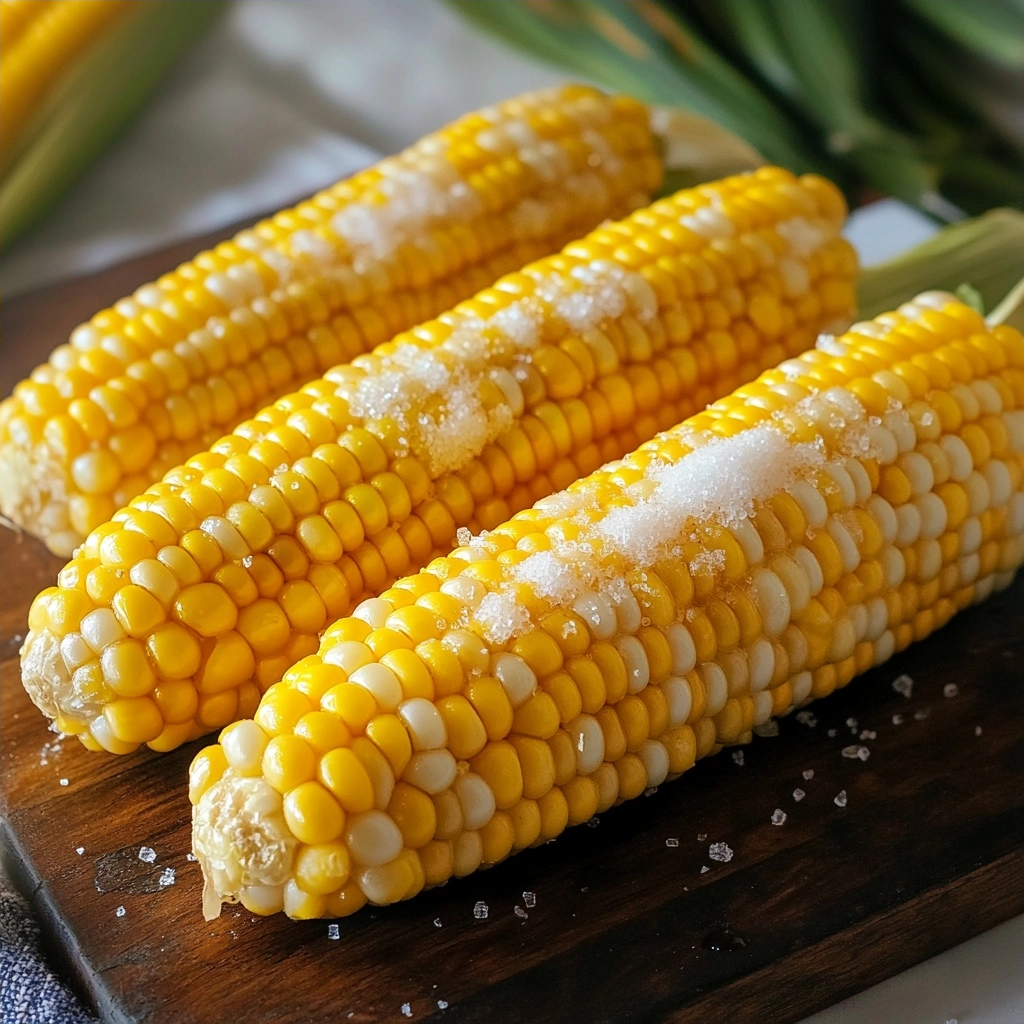
Perfect Boiled Corn on the Cob with Honey and Lemon
Ingredients
Method
- Bring 3-4 quarts of water to a boil in a large pot
- Stir in white sugar and fresh lemon juice until fully dissolved
- Carefully add corn ears to the pot, ensuring they are fully submerged
- Cover the pot and immediately remove from heat
- Let corn sit in hot water for 10 minutes to steam and soften
- Remove corn, drain, and let rest for 5 minutes to temper before serving
Nutrition
Notes
Use cold water to start when adding corn to avoid lowering the pot's temperature significantly
Test corn after 7 minutes if using particularly thick ears
Freshly squeezed lemon juice yields the brightest flavor compared to bottled
Add a pinch of salt if desired, adjusting sugar sweetness to taste