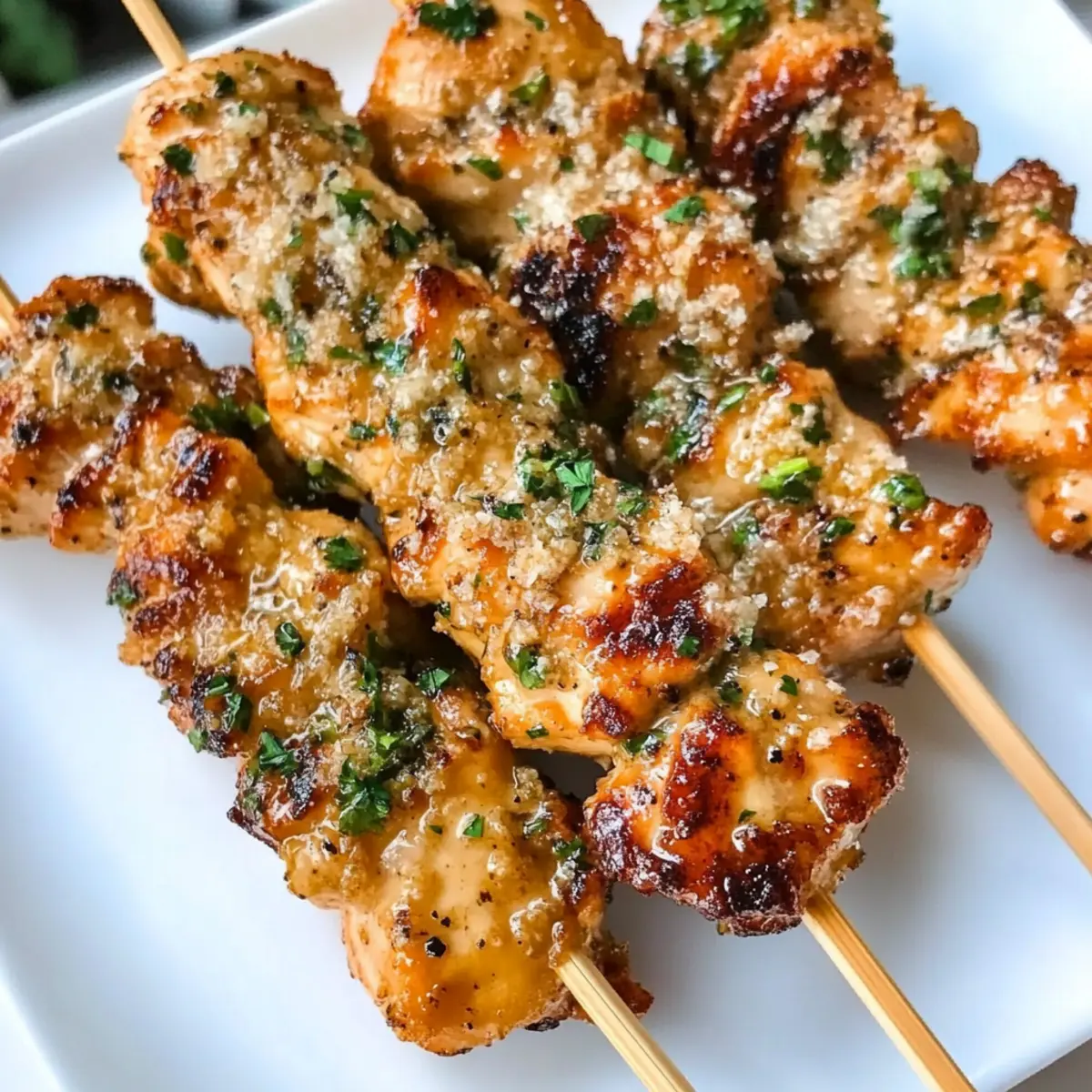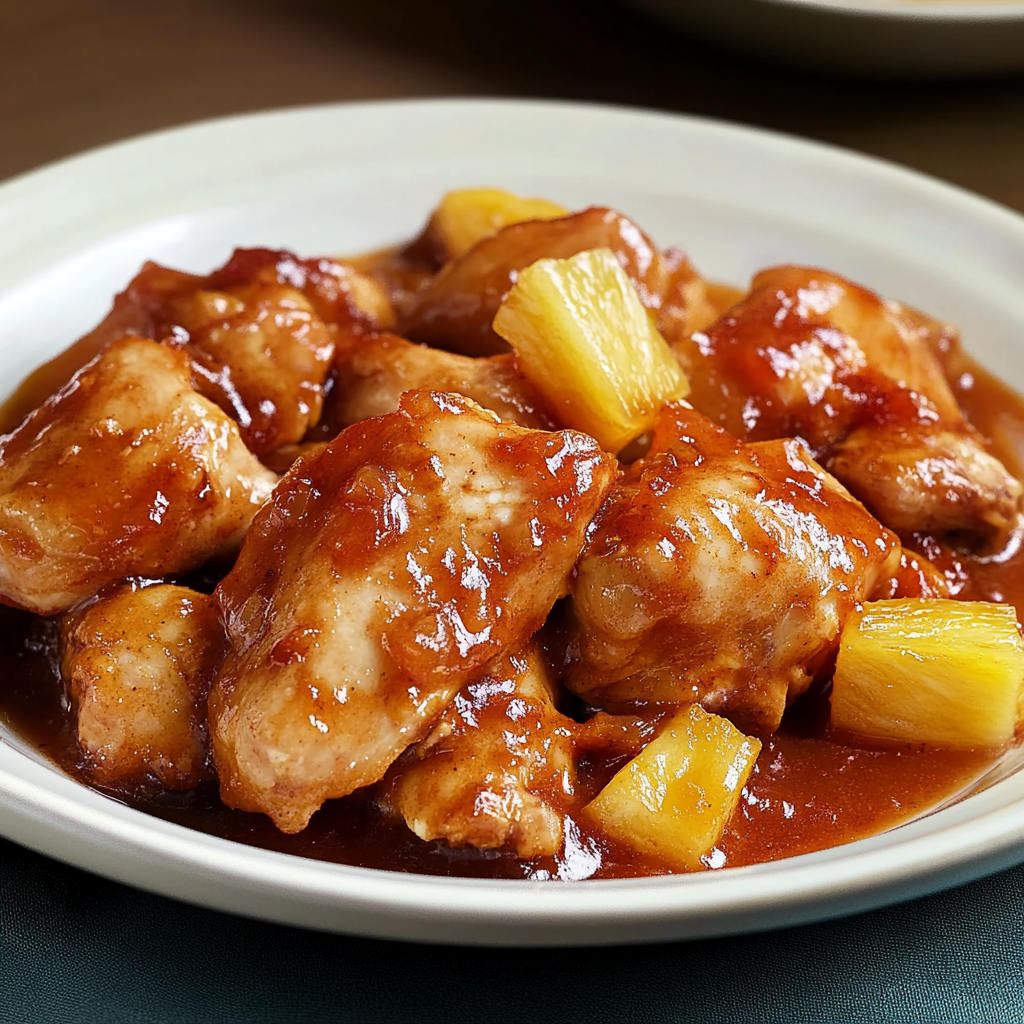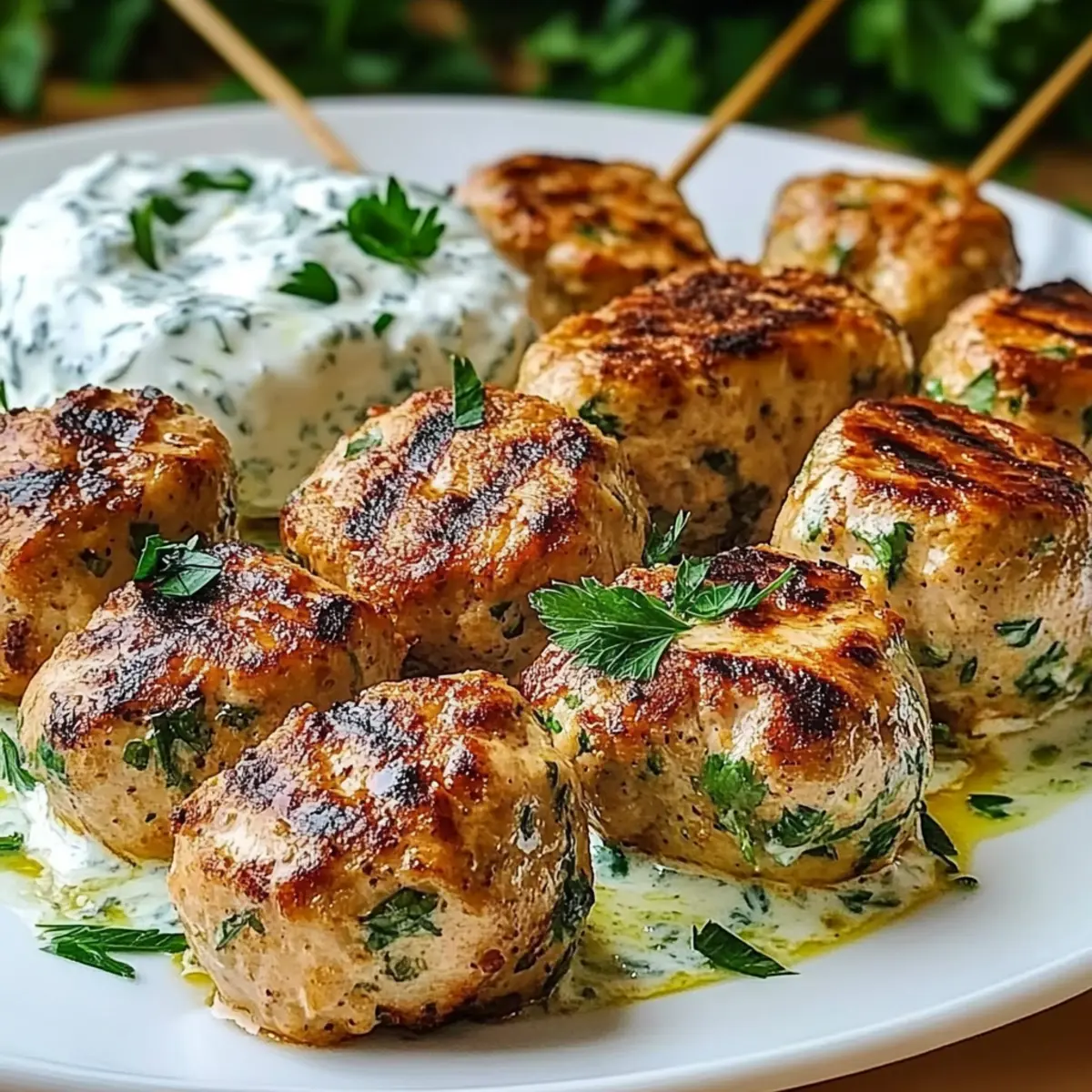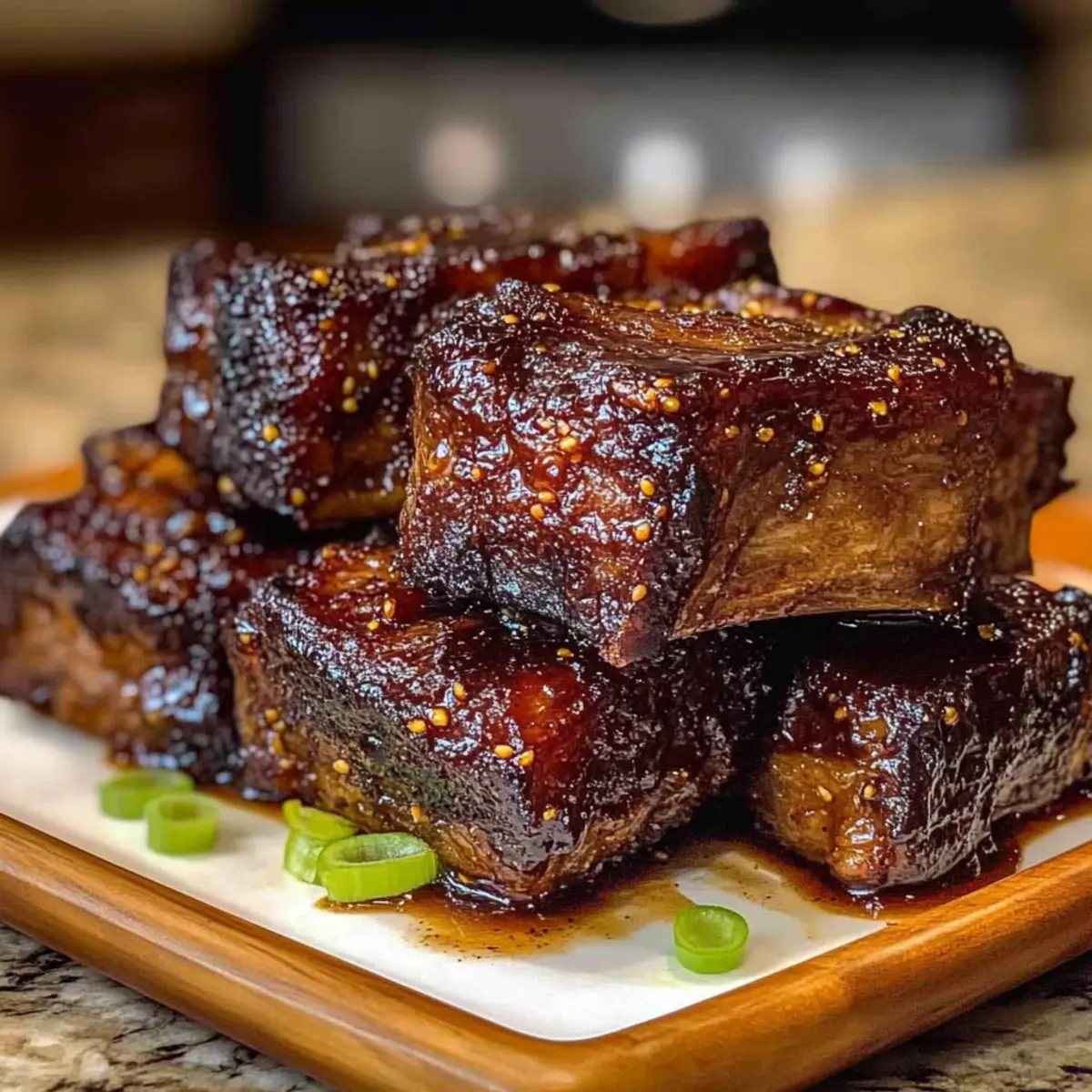
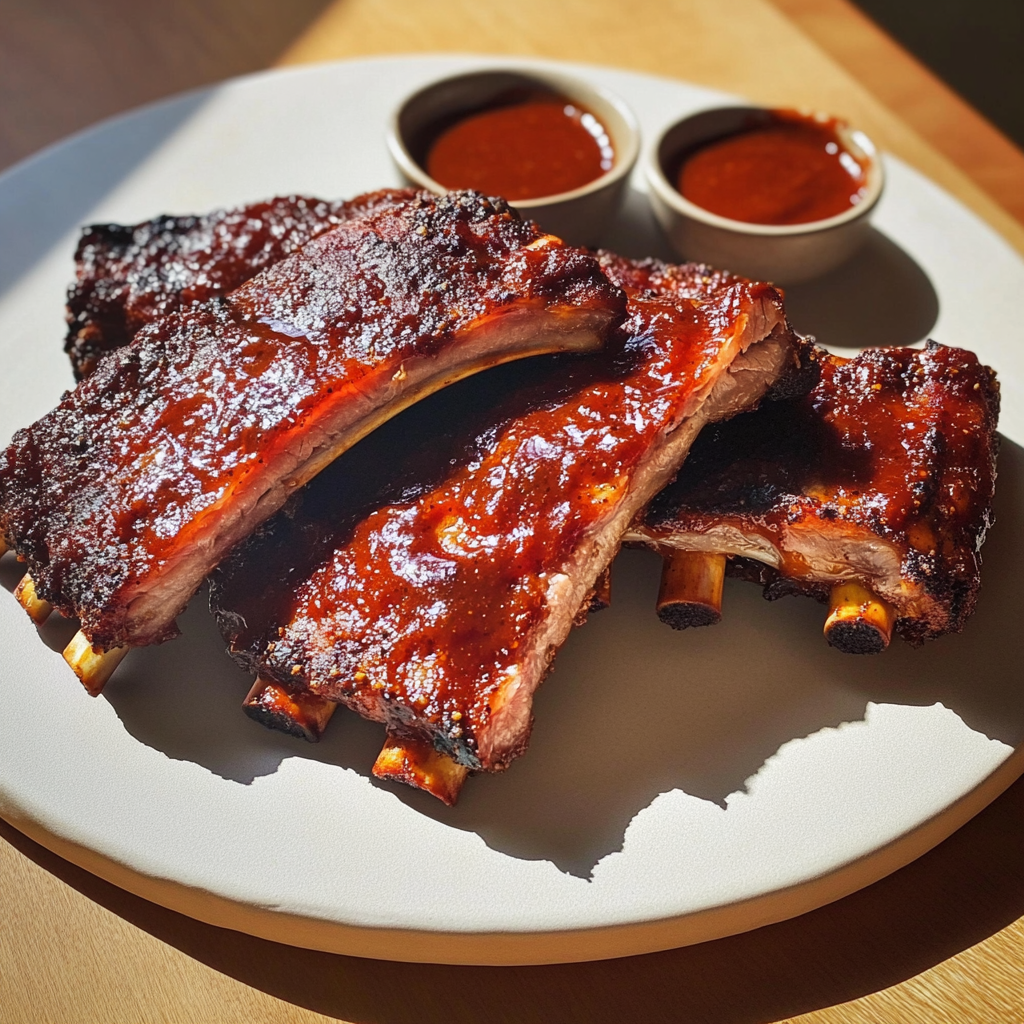
This smoky honey glazed Baby Back Ribs recipe delivers tender, fall-off-the-bone meat with a rich, savory-sweet crust that keeps the meat moist throughout the long cooking process. The dry rub combination of ancho chile and brown sugar creates a deep flavor profile while the low-and-slow roasting method ensures perfect texture. Home cooks will appreciate the ease of preparation which requires minimal hands-on effort for a spectacular result.
Why This Recipe Works
This recipe works exceptionally well because the dry rub penetrates the meat deeply while the low temperature ensures the collagen breaks down slowly. The sugar in the rub balances the heat of the chile powder to create a caramelized exterior that is sweet rather than spicy. You will notice the meat releases from the bone easily after the initial bake, proving the cooking method is effective. Many cooks find this specific low-and-slow technique more consistent than grilling the ribs directly over high heat. The double brushing of the barbecue sauce ensures a thick, sticky glaze on every surface.
The use of heavy-duty foil during the first stage locks in moisture and prevents the meat from drying out. This technique mimics the braising effect of a slow cooker while still allowing the meat to develop a bark on the outside. I have found that resting the meat for a few minutes before the final bake allows the juices to redistribute again. Using a variety of spices rather than just salt and pepper creates layers of complexity in every bite.
The oven method provides consistent heat that eliminates the risk of flare-ups common with grilling. This makes it an excellent option for weeknight dinners when you want to enjoy ribs without constant supervision. The rub combination is versatile enough to suit various taste preferences while maintaining a bold flavor profile. It is the perfect balance of heat, smoke, and sweetness for those who love robust barbecue.
Chef Tips for Perfect Results
Following these expert tips will help you achieve the ideal texture and flavor for your ribs every single time.
- Select the right rack: Choose ribs that have a good amount of meat between the bones without excessive silver skin.
- Season generously: Coat the meat side thick with the dry rub to ensure maximum flavor absorption.
- Low and slow: Keep the oven temperature steady at 250 degrees to allow fat to render slowly.
- Sealing tight: Wrap the foil tightly around the rack to prevent steam from escaping during cooking.
- Watch the sauce: Apply the barbecue sauce sparingly to avoid the sugar burning in the final minutes.
- Rest before slicing: Let the ribs sit for a few minutes after cooking to keep juices inside the meat.
- Check doneness: The meat should peel away from the bone easily when done properly.
- Keep it warm: If serving for a crowd, keep the foil sealed and the ribs in the warm oven.
Common Mistakes to Avoid
Common errors can ruin the texture and flavor, but knowing how to fix them ensures success.
| Mistake | Why It Happens | How to Fix It |
|---|---|---|
| Opening the oven too early | Releasing heat drops the internal temperature significantly | Trust the timer and wait until the full cook time passes |
| Skipping the foil wrap | Ribs can dry out from direct heat exposure | Use heavy-duty foil to retain moisture during the first stage |
| Using the wrong sugar | White sugar burns too quickly while brown cooks longer | Use brown sugar or a combination with the white sugar |
| Applying sauce at 250 F | Sugar content in sauce will burn at low heat levels | Add sauce only during the final high-heat bake stage |
| Overcooking the ribs | Meat can become mushy or textureless if cooked too long | Check tenderness at 2 hours and stop if bone slides easily |
| Not seasoning the rub well | Rib meat requires salt to bring out flavor | Do taste the rub mixture before coating the meat |
Variations and Substitutions
You can easily adapt this recipe to suit different dietary needs or flavor preferences.
| Ingredient or Element | Substitution or Variation | Impact on Flavor or Texture |
|---|---|---|
| Ancho Chile Powder | Cayenne Pepper | Increases heat and reduces smoky complexity |
| White Sugar | Coconut Sugar | Creates a lower glycemic index sweetness |
| Brown Sugar | Maple Syrup | Adds a deeper, caramel-like flavor note |
| Black Pepper | Cayenne Pepper | Shifts the profile from earthy to spicy |
| Chicken Breast | Short Ribs | Requires less cooking time and changes texture |
| Dry Mustard | Prepared Mustard | Creates a wetter consistency and stronger tang |
| Cumin | Coriander | Adds citrusy notes to the spice blend |
| Cayenne Pepper | Red Pepper Flakes | Offers distinct texture and bursts of heat |
Serving Suggestions and Pairings
This dish pairs best with sides that balance the rich, savory flavors of the ribs.
- Served with a classic potato salad with mustard or vinegar dressing.
- Pairs nicely with creamy coleslaw with a yogurt-based dressing.
- Roasted vegetables like corn on the cob or sweet potatoes complement the sweetness of the rub.
- A crisp green salad with a vinaigrette cuts through the richness of the glazed meat.
- Cornbread with molasses adds a sweet contrast to the savory spices.
- Macaroni and cheese provides a creamy, comforting side dish.
- Pickles offer a bright, acidic crunch to balance the sticky glaze.
- Grilled asparagus adds a smoky element to the meal.
- Brined pickled beans introduce a savory crunch.
- Bread with butter and a savory herb dipping sauce.
- Fresh fruit salad with lime juice to cleanse the palate.
- Iced tea or lemonade to accompany the meal with a cold drink.
I recommend serving the ribs with macaroni and cheese or cornbread for a satisfying full meal experience where the textures contrast beautifully. The sweetness of the cornbread pairs perfectly with the smoky depth of the rub.
Make Ahead Options
Yes, this dish is ideal for preparation ahead of time to streamline your cooking day. You can prepare the dry rub components and mix them up to 24 hours in advance. The ribs can be seasoned and wrapped in the foil 48 hours before baking if stored properly in the refrigerator.
Storage and Reheating
Proper storage ensures the leftovers remain safe and delicious for future meals.
| Method | Duration | Instructions |
|---|---|---|
| Room Temperature | 2 Hours | Leave out only if serving immediately for food safety |
| Refrigerator | 3 Days | Store in an airtight container with the bones removed |
| Freezer | 3 Months | Wrap tightly in plastic and foil before freezing flat |
| Reheating | 10 Minutes | Warm in a 250 F oven to restore moisture and heat evenly |
| Make Ahead | 48 Hours | Season and store raw ribs in fridge before cooking the next day |
Nutritional Information
Approximate values are based on one serving and may vary depending on exact ingredients and portion size.
| Nutrient | Amount per Serving |
|---|---|
| Calories | 350 |
| Protein | 25g |
| Fat | 15g |
| Saturated Fat | 6g |
| Carbohydrates | 12g |
| Fiber | 0g |
| Sugar | 10g |
| Sodium | 1200mg |
Frequently Asked Questions
Can I substitute the meat?
Yes, you can substitute pork ribs for other cuts such as beef short ribs or chicken quarters. The cooking time will adjust slightly depending on the thickness of the meat you choose. Always check that the internal temperature reaches a safe level before serving.
How do I know when the ribs are done?
The meat should easily pull away from the bone with a gentle tug when fully cooked. Use a meat thermometer to ensure the thickest part has reached a high temperature. If the meat feels tough, continue baking in 15-minute increments until tender.
Why are my ribs tough?
Ribs often turn out tough if they were cooked at too high a temperature for too little time. The collagen needs time to break down into gelatin, so patience is key. Lower the temperature and extend the cooking time on the next attempt.
Can I make this recipe ahead of time?
Absolutely, you can prepare the rub and season the meat 24 to 48 hours in advance. Storing them in the fridge will allow the flavors to meld better than cooking them fresh. Just ensure you keep them covered and refrigerated until ready to cook.
What is the best sauce to use?
A sugar-free barbecue sauce is ideal to control the sweetness of the final dish. Any brand that fits your flavor preference will work, as long as it is not too acidic. Apply it only in the last few minutes of cooking to prevent burning.
How do I store leftovers?
Store the leftover ribs in the refrigerator in an airtight container for up to three days. For longer storage, they can be frozen for up to three months. Reheat gently in the oven to restore the original texture.
Conclusion
Mastering this Baby Back Ribs recipe brings home cooks the professional barbecue experience right in the kitchen. The combination of low heat and a flavorful rub ensures every bite is tender and bursting with savory sweetness. You will love the way the meat just slides off the bone with minimal effort. This smoky, honey-glazed dish is the perfect centerpiece for your next family dinner.