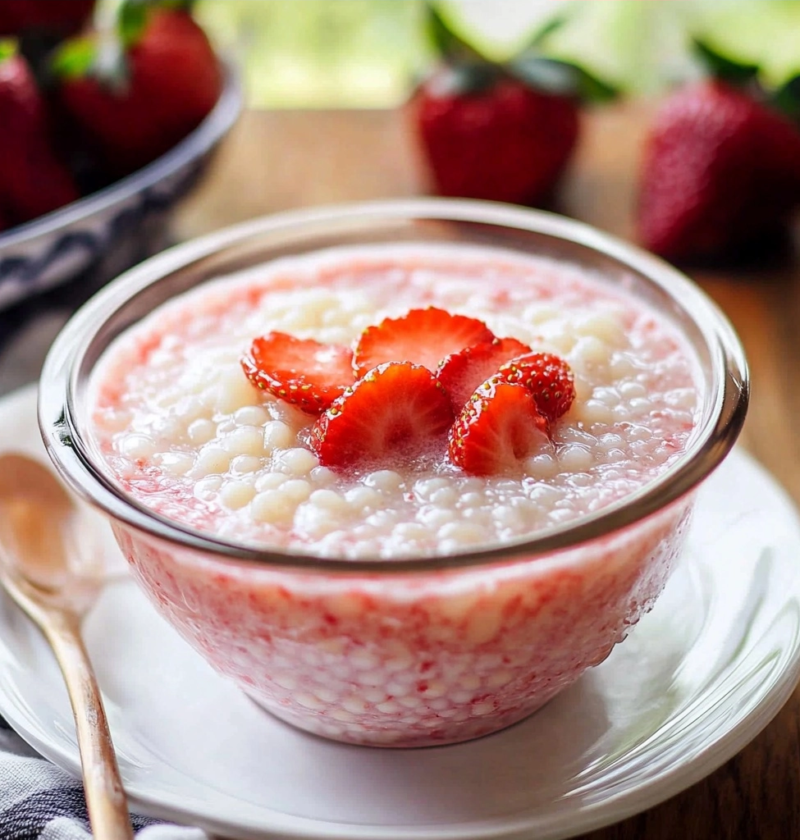
Strawberry Sago is a beloved chilled dessert featuring a delightful blend of sweet strawberry puree, creamy coconut milk, and chewy tapioca pearls. This refreshing treat captures the essence of tropical flavors with a simple preparation process that creates lasting memories. It offers a unique texture contrast between smooth puree and soft pearls that appeals to home cooks and families alike. The combination of fresh fruit and rich coconut milk provides a perfect balance of sweetness and tanginess for the warm season.
This dessert is traditionally associated with Filipino summer gatherings and parties where a cooling influence is needed. The visual appeal of the pink hue from the berries makes it an instant crowd pleaser at any buffet or picnic table. Home cooks appreciate the flexibility of making this ahead of time to ensure the flavors have ample time to meld together.
| Detail | Information |
|---|---|
| Prep Time | 20 minutes |
| Cook Time | 10 minutes |
| Total Time | 40 minutes plus chilling |
| Servings | 6 to 8 glasses |
| Difficulty | Easy |
| Cuisine | Asian Fusion |
| Category | Dessert |
| Method | Boil No-Bake Assemble |
Why This Recipe Works
Strawberry Sago works exceptionally well because it balances texture and flavor profiles that complement one another perfectly. The chewiness of the tapioca pearls provides a satisfying mouthfeel against the creamy liquid base. Fresh strawberries bring a natural acidity that cuts through the richness of the canned coconut milk and sweetened condensed milk. This balance prevents the dessert from becoming overly cloying and keeps every bite enjoyable.
The simplicity of the preparation method eliminates the risk of failure associated with complex baking techniques. Since there is no baking involved, the risk of overcooking or drying out ingredients is virtually non-existent. You simply cook the pearls, mix the fruits, and combine everything in a bowl. This ease of assembly makes it an accessible project even for novice cooks looking for impressive results.
The cooling nature of the ingredients makes it an ideal choice for hot summer days when heavy desserts are unappealing. Unlike cakes that require significant frosting or decoration, this dish relies on the natural beauty of the ingredients. The pink color from the strawberries naturally enhances the visual presentation without artificial coloring agents. It feels wholesome yet indulgent enough to serve as a special celebration treat.
Chef Tips for Perfect Results
Properly cooking the tapioca pearls is the single most important factor for achieving the best texture in this dessert.
- Monitor pearl color: Boil the small tapioca pearls until they turn mostly translucent white rather than remaining opaque.
- Rinse immediately: Use cold water to rinse the pearls after boiling to prevent them from clumping together or continuing to cook.
- Adjust sweetness: Taste the strawberry mixture before adding the full amount of condensed milk to ensure the flavor balance is correct.
- Chill thoroughly: Allow the mixture to sit in the refrigerator for at least two hours so the flavors have time to blend together fully.
- Texture check: Ensure the cooked pearls are soft but not mushy by pressing a few against your fingers before combining them.
- Nata preparation: Drain the nata de coco well to avoid adding unnecessary excess liquid that could dilute the creamy coconut milk base.
Common Mistakes to Avoid
Even simple recipes have pitfalls that can alter the final outcome if basic precautions are not taken during the preparation process.
| Mistake | Why It Happens | How to Fix It |
|---|---|---|
| Pearls remain crunchy | Insufficient boiling time | Leave them in hot water longer with the lid on to finish cooking |
| Dessert is too sweet | Too much condensed milk added | Reduce the amount of milk next time or dilute with more coconut milk |
| Tapioca clumps together | Not rinsed with cold water | Rinse immediately under running cold water to stop cooking and separate |
| Flavors are separated | Not chilled long enough | Allow the mixture to sit in the refrigerator for at least three hours total |
| Mixture is too thin | Added too much liquid | Reduce the coconut milk or add more pearls to absorb the liquid |
Variations and Substitutions
You can easily adapt this dessert to suit different dietary needs or to incorporate seasonal fruits beyond strawberries.
| Ingredient or Element | Substitution or Variation | Impact on Flavor or Texture |
|---|---|---|
| Strawberries | Red dragon fruit or mango puree | Changes the pink hue but maintains the tropical sweetness |
| Sweetened condensed milk | Coconut cream or evaporated milk with sugar | May result in a less sweet and slightly thinner consistency |
| Coconut milk | Soy milk or almond milk | Reduces the fat content and alters the creamy mouthfeel |
| Tapioca pearls | Jelly cubes like nata de coco | Changes texture to wobbly rather than chewy tapioca |
| Small tapioca pearls | Sago or larger boba balls | Requires different cooking times and changes mouthfeel significantly |
| Ice | Served without ice or with shaved ice | Shaved ice makes the drink more refreshing immediately upon serving |
| Green food coloring | Matcha powder | Introduces a bitter tea note that complements the coconut milk |
Serving Suggestions and Pairings
This refreshing dessert pairs beautifully with light savory bites and hot beverages to create a balanced meal experience.
- Serve alongside lemon tartlets for a contrast between tart cream and sweet fruit puree.
- Pair with coconut bread or pandan cake to extend the tropical theme of the menu.
- Offer with roasted plantains or fried sweet potato slices as a starchy side.
- Complement with iced tea or lemonade to keep the refreshing theme consistent.
- Pair with churros for a warm and cold contrast in temperature and texture.
- Serve with grilled skewers of pineapple chunks to enhance the fresh fruit flavors.
- Accompany with light vegetable rolls to balance the richness of the dessert.
- Match with sweet sticky rice balls for additional carbohydrate volume.
The dish works best as a standalone dessert served in individual glasses with spoons. You can garnish the top with a few extra diced strawberries for visual impact before serving. This presentation style allows guests to see the layers of ingredients immediately. It creates anticipation when they take their first spoonful.
Make Ahead Options
Yes, this strawberry sago dessert can be prepared entirely the day before you plan to serve it. Making it ahead allows the coconut milk and berry juices to fully integrate and chill thoroughly for optimal taste. You can store the mixture in a large covered container in the refrigerator for up to twenty-four hours. This time allows the tapioca pearls to absorb the flavors of the creamy milk base properly.
Before serving, you may need to stir the mixture gently to redistribute any settled ingredients. The pearls will naturally sink to the bottom of the container over time. Simply stir everything together one last time before portioning into individual serving glasses. This process saves time on the day of the event and ensures a consistent texture for every guest.
Storage and Reheating
Proper storage is essential to maintain the texture of the tapioca pearls and prevent the dessert from spoiling.
| Method | Duration | Instructions |
|---|---|---|
| Room Temperature | 1 hour | Keep covered away from direct sunlight to prevent spoilage during short periods |
| Refrigerator | 2 to 3 days | Store in an airtight container at 40 degrees Fahrenheit or below |
| Freezer | 1 month | Note that tapioca pearls may soften significantly if frozen for extended periods |
| Reheating | Not recommended | Since this is a chilled dessert, reheating is unnecessary and alters texture |
| Make Ahead | 24 hours | Best flavor profile is achieved after resting in the refrigerator overnight |
Nutritional Information
Approximate values are based on one serving and may vary depending on exact ingredients and portion size.
| Nutrient | Amount per Serving |
|---|---|
| Calories | 350 |
| Protein | 6 grams |
| Fat | 15 grams |
| Saturated Fat | 12 grams |
| Carbohydrates | 55 grams |
| Fiber | 4 grams |
| Sugar | 40 grams |
| Sodium | 80 milligrams |
Frequently Asked Questions
Can I use frozen strawberries for this recipe?
Yes, you can use frozen strawberries for the puree and the garnish. Ensure the berries are fully thawed and drained of excess liquid before blending. Frozen fruit often results in a more intense berry flavor once blended and frozen down. Just taste the mixture after thawing to ensure no off-flavors from the freezing process appeared.
Why are my tapioca pearls not chewy?
This usually means the pearls were undercooked or the rice flour quality was low for that type of pearl. Boil the water vigorously before adding the pearls and do not add them until the water is at a rolling boil. Cook them until the white center disappears completely for the signature chewy texture. Rinsing them immediately stops the cooking and preserves the texture.
How do I stop the tapioca pearls from sticking together?
Always rinse the cooked tapioca pearls in cold running water immediately after draining the boiling water. This washes away excess starch and cools the pearls quickly. You can also toss them in a little cool coconut milk or water if you are not serving immediately. This prevents the surface from becoming gummy and sticking in the bowl.
Can I make this dairy-free?
Yes, you can make this recipe dairy-free by using coconut milk and omitting any regular milk products. Ensure that the sweetened condensed milk is coconut-based if you are avoiding dairy. Many brands offer coconut milk condensed milk which works perfectly for this tropical flavor profile. This substitution makes the dessert suitable for lactose intolerant individuals.
What is the best time to drink or eat this dessert?
Strawberry sago is best consumed chilled during the afternoon or evening when temperatures are higher. It is a popular choice after a heavy lunch or dinner to refresh the palate. The cooling sensation makes it particularly effective as a post-meal palate cleanser. Eating it before bed should be done in moderation due to the sugar content.
Does this dessert need preservatives?
No, it does not require added preservatives if stored correctly in the refrigerator. The acidity from the strawberries and the high sugar content help preserve the mixture for a few days. Always wash the berries thoroughly before peeling them and using them in the recipe. Discard the mixture if it develops an off smell or texture after three days.
Conclusion
This Strawberry Sago recipe delivers a delightful tropical experience that is easy to make and highly refreshing. It creates a perfect balance of creamy sweetness and berry freshness that family members will love. The simplicity of the ingredients ensures that no kitchen tools beyond a blender are needed for preparation. Serve it chilled for the ultimate comfort and texture that defines this crowd favorite dessert.
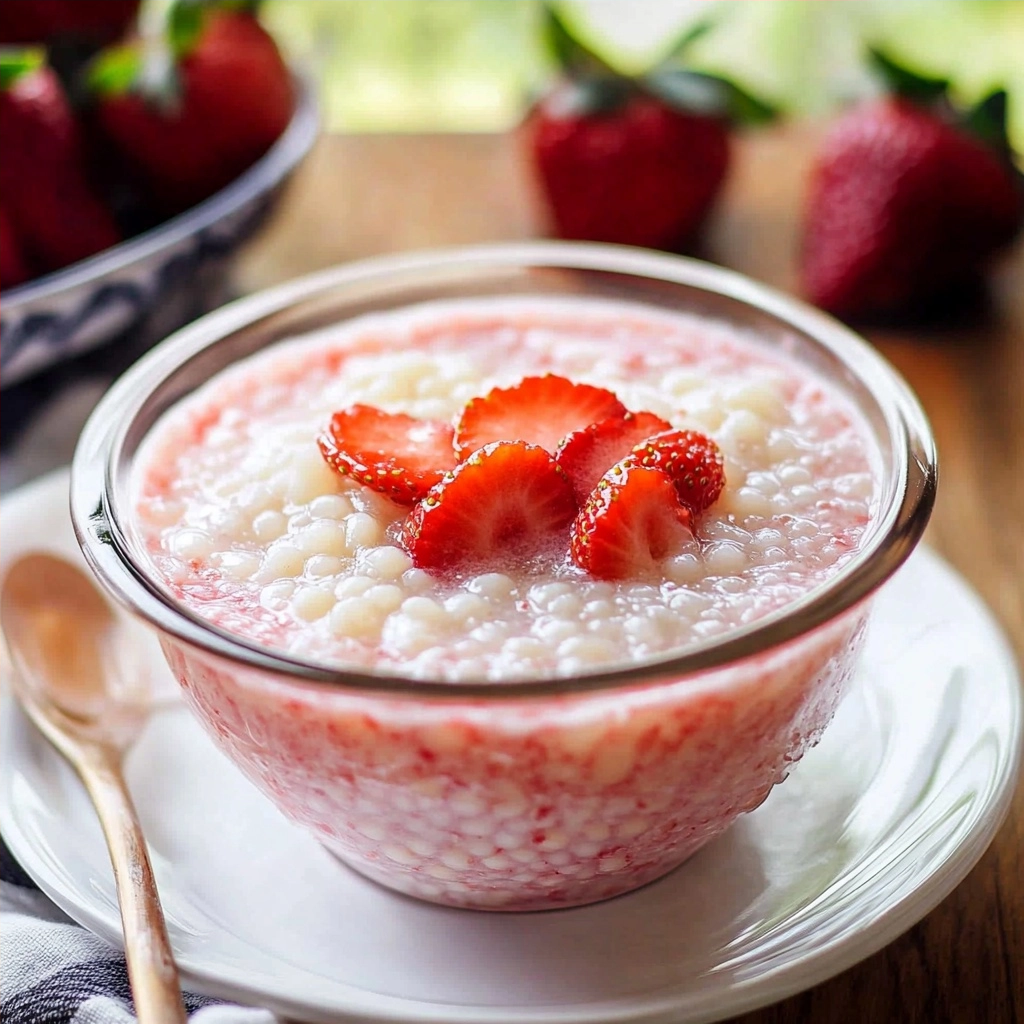
Strawberry Sago
Ingredients
Method
- Rinse and soak tapioca pearls in water for 15 minutes. Bring to a boil in 2 cups water, covered, for 10-15 minutes or until translucent. Drain and rinse with cold water.
- Blend 3 cups strawberries with 2 tbsp sugar until smooth. Strain through a sieve if desired for a silky texture.
- In a large bowl, combine coconut milk, sweetened condensed milk, and strawberry puree. Stir well to blend.
- Layer cooked tapioca pearls into serving glasses, then top with strawberry-coconut mixture and ice cubes. Chill for 30 minutes before serving.
Nutrition
Notes
Use ripe but firm strawberries for optimal flavor
Storage: Refrigerate up to 4 hours to maintain texture
Variation: Add 1 tsp vanilla extract for extra depth