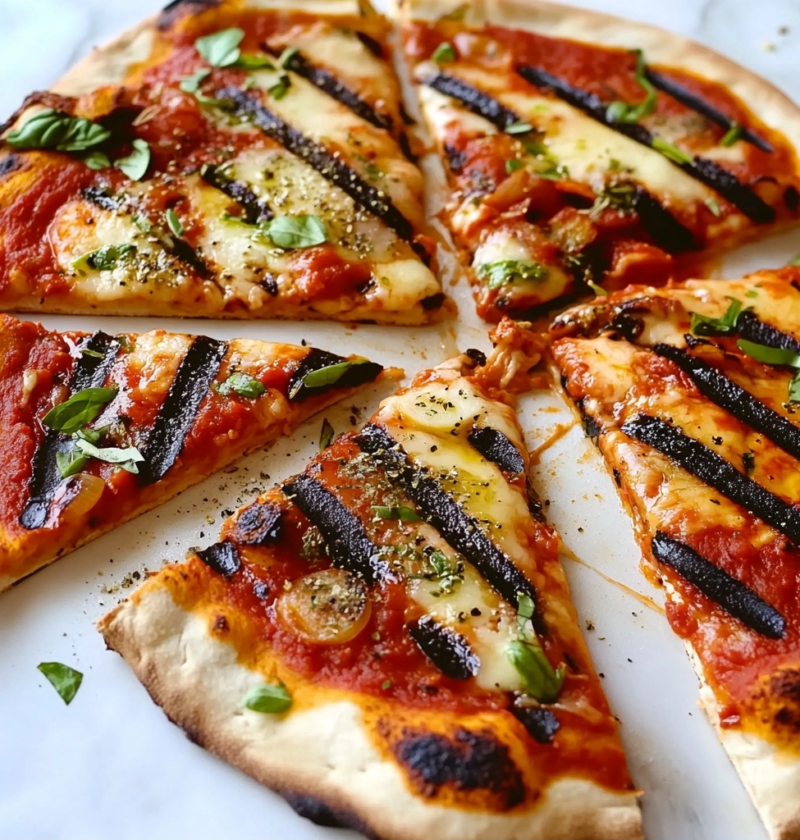
This method creates a crust with a charred, smoky exterior and a tender, airy interior using only high heat and fresh ingredients. It is the ultimate summer cooking hack that brings wood-fired flavor to your backyard without the need for a complicated pizza oven.
| Detail | Information |
|---|---|
| Prep Time | 20 minutes |
| Cook Time | 10 minutes |
| Total Time | 30 minutes |
| Servings | 4 servings |
| Difficulty | Easy |
| Cuisine | Italian-inspired |
| Category | Dinner Ideas |
| Method | Grilling |
Why This Recipe Works
The secret to this dish lies entirely in the two-zone fire setup, which allows you to generate intense surface heat without cooking the toppings too quickly. By placing the dough on the hot side first, you achieve that coveted charred crust, and then moving it to the cooler side ensures the cheese melts perfectly without burning. This technique separates this recipe from standard oven baking, which often results in a soft, bread-like crust that lacks character.
The use of pizza dough prepared at least one day in advance is crucial because fermentation relaxes the gluten strands. This makes the dough far easier to roll out thinly without tearing, which is essential for that authentic, thin-crust texture we all love. Furthermore, the high fat content of the cheese blend, combined with the olive oil brushed onto the crust, ensures a golden-brown finish even when the grill temperature fluctuates slightly.
Another reason this recipe is a reliable favorite is the minimal cleanup involved compared to using a heavy cast-iron skillet or a pizza stone. Since the grill grate does all the work, you simply scrape it down after the meal is finished. The smoky essence of the fire infuses the tomato sauce and fresh herbs, creating a depth of flavor that you simply cannot achieve on a standard kitchen stovetop.
Chef Tips for Perfect Results
Pay close attention to the dough rotation during the first minute on the grill to ensure an even distribution of char marks and heat.
- Use steady heat: Maintain a two-zone fire where one side has intense direct heat while the other remains medium-low. This prevents the crust from burning while still allowing it to cook through.
- Preheat the grate: Always preheat your grill grate thoroughly before placing any dough on it. A hot grate creates immediate steam separation, which lifts the dough off the metal and prevents sticking.
- Brush with oil before flipping: The thin layer of olive oil not only adds flavor but also creates a moisture barrier. Brushing the raw side with oil right before flipping helps to reinforce the structure of the dough so it doesn’t tear when you load it with toppings.
- Keep toppings light: Excess moisture and weight are the enemies of a good grilled pizza. Apply toppings sparingly to prevent the dough from becoming soggy or the crust from collapsing under the weight of ingredients.
- Grate cheese directly onto the pizza: Using pre-shredded cheese often creates pockets of starch that prevent smooth melting. Grating your own mozzarella or Fontina ensures the cheese blends seamlessly with the crust and sauce.
- Move to the cooler side first: This step is non-negotiable. By sliding the assembled pizza onto the cooler side of the grill immediately after flipping, you give the proteins in the cheese time to coagulate and hold the toppings in place while the cheese melts.
- Watch the heat: If your coals or gas burners are running hotter than expected, move the dough off the direct heat sooner. Pizza dough can go from perfectly cooked to dry and crunchy in seconds on a screaming-hot grill.
Common Mistakes to Avoid
Avoiding these common pitfalls is the key to transforming a regular weeknight dinner into a restaurant-quality experience on your patio or balcony.
| Mistake | Why It Happens | How to Fix It |
|---|---|---|
| Dough rips when flipping | The dough is under-proofed or rolled out too thinly without sufficient gluten structure. | Use high-hydration dough or allow the dough ball to rest for at least 20 minutes after rolling before attempting to move it. |
| Bottom crust burns black | The grill grate is too close to the heat source or the dough is left too long on the direct flame. | Arrange your charcoal or burners to create a hot zone and a cool zone. If flames lick up the dough, move it to the cooler side immediately. |
| Toppops slide off | The cheese hasn’t started melting, so it lacks the tackiness to hold the sauce and other ingredients. | Move the pizza to the indirect heat zone as soon as you flip it. Wait about 60 to 90 seconds for the cheese to soften before adding your solid toppings. |
| Crust is doughy in the center | The heat isn’t penetrating the center of the pizza because the bottom is shielding the inside. | Use a second metal spatula to gently press down on the top of the pizza near the center while it cooks on the indirect heat side. |
| Soggy sauce | Using wet, fresh tomatoes or an excessive amount of saucy toppings before the crust is fully cooked. | Season your tomato sauce well with salt and let it simmer until it thickens slightly. Also, blot any excess liquid from fresh tomatoes before spreading them. |
| Uneven heat distribution | Random hot spots on the grill grate cause some parts of the pizza to overcook while others remain raw. | Use a cooking thermometer to monitor grill temperature. If necessary, rotate the pizza halfway through the cooking time on the indirect side to ensure even browning. |
| Forgetting the oil | Omitting the olive oil brush leads to a bland crust that sticks or burns easily. | Always brush the side of the dough facing down with oil before grilling, and brush the top side right before flipping to add flavor and prevent sticking. |
Variations and Substitutions
Customizing this grilled pizza allows you to adapt the dish to dietary needs or seasonal ingredients while maintaining the cooking technique.
| Ingredient or Element | Substitution or Variation | Impact on Flavor or Texture |
|---|---|---|
| Pizza Dough | Whole wheat or 00 flour dough | Whole wheat adds a nutty, earthy flavor and higher fiber content, though the texture may be slightly denser. |
| Melting Cheese | Pesto, cashew cream, or vegan mozzarella | Substitutes create a creamier, dairy-free texture and introduce distinct herbal or nutty profiles. |
| Tomato Sauce | White sauce base or Pesto | A white sauce shifts the flavor profile from savory tomato to rich, buttery garlic and herbs. |
| Toppings | Grilled vegetables or meats | Grilling the vegetables beforehand intensifies their sweetness and provides a smoky complement to the base flavors. |
| Flavoring | Chili flakes, smoked paprika, or truffle oil | Spices and oils boost the aromatic complexity, adding heat or earthy umami notes that pierce through the cheese. |
| Crust Type | Flatbread or naan bread | Using store-bought flatbread reduces prep time significantly and creates a thinner, crispier texture in minutes. |
| Garnish | Fresh pesto, arugula, or balsamic glaze | A finishing drizzle of glaze adds acidity and sweetness, while fresh greens provide a sharp, peppery bite. |
| Hard Cheese | Pine nuts or walnuts | Adding nuts to the pizza adds a delightful crunch and healthy fats to the texture profile. |
Serving Suggestions and Pairings
Enhance the dining experience with the right sides and drinks to create a memorable meal that feels like a special occasion.
- Slice fresh green salads with a light vinaigrette to cut through the richness of the cheese and oil.
- Offer a selection of cold craft sodas or iced teas that are refreshing and carbonated.
- Pair with roasted garlic knots baked alongside the pizza on the grill.
- Serve fresh fruit skewers, such as strawberries and melon, for a light dessert after the meal.
- Use a rustic wooden cutting board to display the pizza directly on the table for a rustic feel.
- Drizzle a bit of extra virgin olive oil over the finished slices and sprinkle with flaky sea salt.
- Prepare a simple side of garlic breadsticks brushed with olive oil and herbs.
- Pair with a chilled white wine like Pinot Grigio or a light beer if desired.
- Consider making a Caprese-style salad with mozzarella, tomatoes, and basil as a starter.
- Offer crusty Italian bread to mop up any excess sauce or oil left on the platter.
- Pair with a light Italian soda made with club soda, flavored syrups, and cream.
- Serve with a side of seasoned roasted potatoes to create a heartier, main course-focused dinner.
Make Ahead Options
You can significantly reduce the stress of hosting a backyard dinner by preparing components of this recipe in advance without sacrificing quality.
The most important element to prepare ahead is the pizza dough. Allowing the dough to rise in the refrigerator for at least 24 hours, and ideally up to 48 hours, develops complex flavor notes and makes the gluten more extensible. Once it has fermented, you can portion it into individual balls, wrap them tightly in plastic wrap, and store them in the refrigerator for up to three days. When you are ready to grill, simply remove the dough balls from the fridge an hour beforehand to bring them to room temperature, which will make them significantly easier to roll out.
While the dough ferments, you can wash and chop your vegetables and mix your sauce in bulk. A homemade tomato sauce can be stored in an airtight container in the refrigerator for up to one week. Cheese can also be grated in advance and kept in the freezer if you are short on time on the day of cooking. Just be sure to transfer the grated cheese to the refrigerator the night before so it softens slightly, preventing it from clumping when you try to sprinkle it.
Finally, set up your grill station with all your toppings lined up in bowls. This creates a workflow where you can work quickly and efficiently once the dough hits the heat. Having everything measured and ready to go ensures that the pizza cooks evenly and prevents you from leaving the dough on the hot side for too long while you hunt for ingredients.
Storage and Reheating
Proper storage techniques are essential to preserve the crispy texture of the crust and prevent the toppings from becoming soggy if you have leftovers.
| Method | Duration | Instructions |
|---|---|---|
| Room Temperature | 2 hours | Leave the pizza at room temperature if it will be consumed within two hours. Cover loosely with aluminum foil or a mesh lid to keep off insects, but do not seal it tightly as this traps moisture. |
| Refrigerator | 3 days | Store leftover pizza in an airtight container. For best results, wrap each slice individually in plastic wrap before placing them in the container to preserve the crust’s crispness. |
| Freezer | 2 months | Wrap the whole pizza or individual slices in aluminum foil and then place them in a freezer-safe bag. Label the bag with the date. Thaw overnight in the refrigerator before reheating. |
| Reheating | 5-10 minutes | Reheat on a 400°F (200°C) oven or a skillet. Place the slices on a sheet pan and cover with foil for the first half of the time to melt the cheese, then remove the foil to crisp the crust. Avoid the microwave, as it will make the crust soggy. |
| Make Ahead | 3 days | Prepare the dough up to 72 hours in advance. The cold fermentation process improves the flavor. Roll the dough just before grilling to ensure the best texture. |
Nutritional Information
Approximate values are based on one serving and may vary depending on exact ingredients and portion size.
| Nutrient | Amount per Serving |
|---|---|
| Calories | 380 kcal |
| Protein | 14 g |
| Fat | 16 g |
| Saturated Fat | 7 g |
| Carbohydrates | 42 g |
| Fiber | 3 g |
| Sugar | 4 g |
| Sodium | 680 mg |
Frequently Asked Questions
Can I use a gas grill for this method?
Yes, you can absolutely use a gas grill. The key is to light only one or two burners on high to create the direct heat zone and leave the rest on low or turned off to create the indirect heat zone. This mimics the charcoal setup perfectly.
Do I need a pizza stone to grill pizza?
No, you do not need a pizza stone. In fact, placing a cold stone directly on a hot grill can be risky and unnecessary. A clean grill grate is actually better for grilling pizza because it provides direct contact for the dough, which is essential for that smoky char.
How do I prevent the cheese from falling off?
The best way to keep toppings secure is to move the pizza to the cooler side of the grill after you flip it. This low and slow heat allows the cheese proteins to coagulate and bond with the sauce and crust before you add heavy toppings. Patting the sauce on lightly also helps adhesion.
Can I make this recipe indoors using a grill pan?
You can use a well-seasoned cast-iron skillet on the stove, but the results will be slightly different. The cast iron mimics the heat retention of a pizza stone. However, you will not achieve the same charred, smoky flavor profile as an open flame grill.
Is it better to roll the dough thin or thick?
For the best grilling experience, a medium-thin crust works best. If the dough is too thick, the heat will not be able to penetrate to the center, leaving it raw while the edges burn. A thin crust also crisps up faster on the grill, providing a satisfying snap.
Can I bake the pizza after grilling it?
If the cheese is melted but the crust is not yet crisp enough, you can transfer the assembled pizza to a 500°F oven for just a few minutes to finish it off. This is a great rescue method if your cooler side of the grill is too hot.
Conclusion
This grilled pizza recipe captures the perfect balance of smoky char and melty, cheesy goodness with an ease that makes it perfect for any home cook. By mastering the two-zone fire technique and utilizing pre-prepared dough, you can create a superior version of a classic Italian dish that will impress your family and friends. The resulting pizza features a delightfully crispy crust and rich toppings that define a memorable meal.
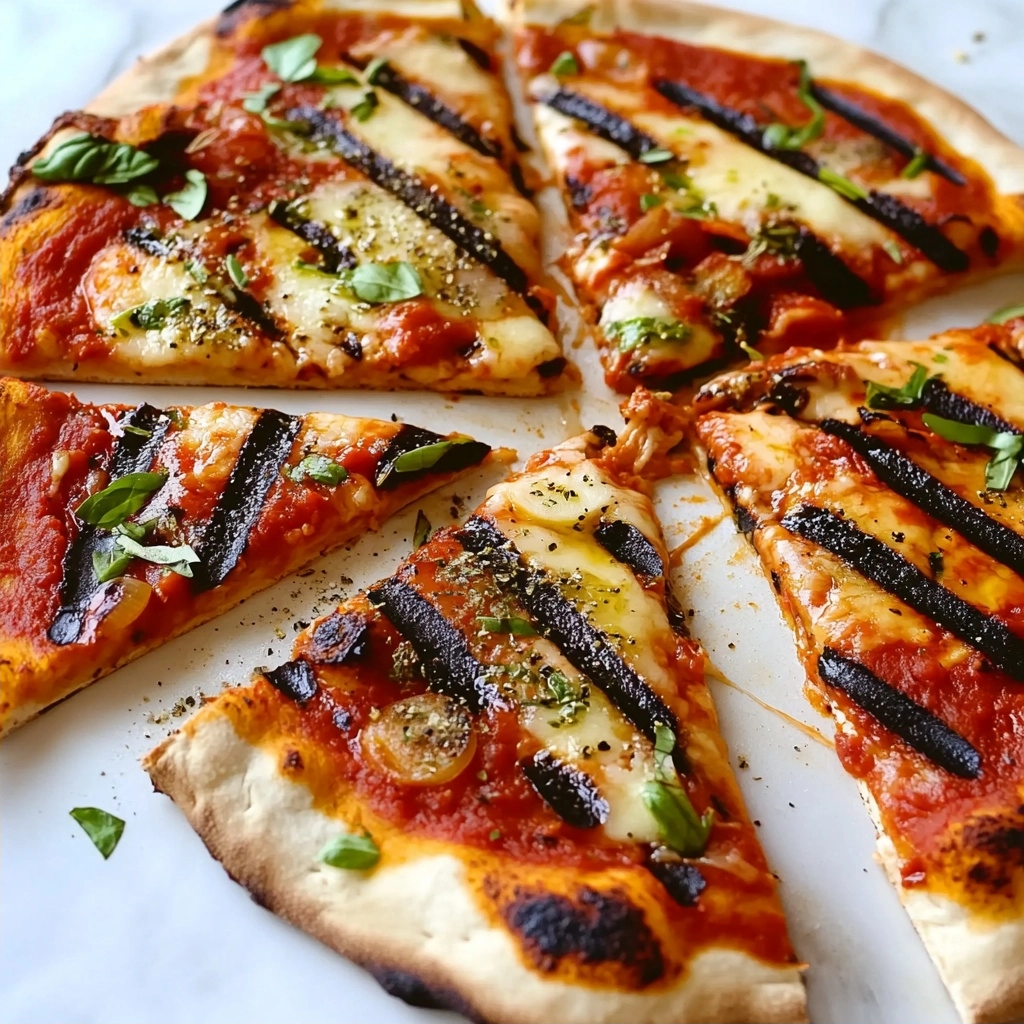
Easy Grilled Pizza Recipe for Quick Dinners
Ingredients
Method
- Preheat grill to 500°F using a two-zone fire (one side high heat, one side medium-low)
- Stretch dough into 1/4-inch thickness and brush edges with olive oil
- Place dough on hot side of grill. Rotate every 30 seconds until charred (2-3 minutes)
- Flip dough and spread cheese blend on one half. Add toppings, then move to cooler grill side
- Cook 2-4 minutes until cheese melts and crust is golden. Top with fresh herbs and serve
Nutrition
Notes
If dough resists stretching, let it rest 10 minutes
Try substitutions like pesto instead of cheese for a vegan option
Grill grate can be cleaned with a wire brush while warm